Two Saukie Chiefs and a Woman by Catlin, George
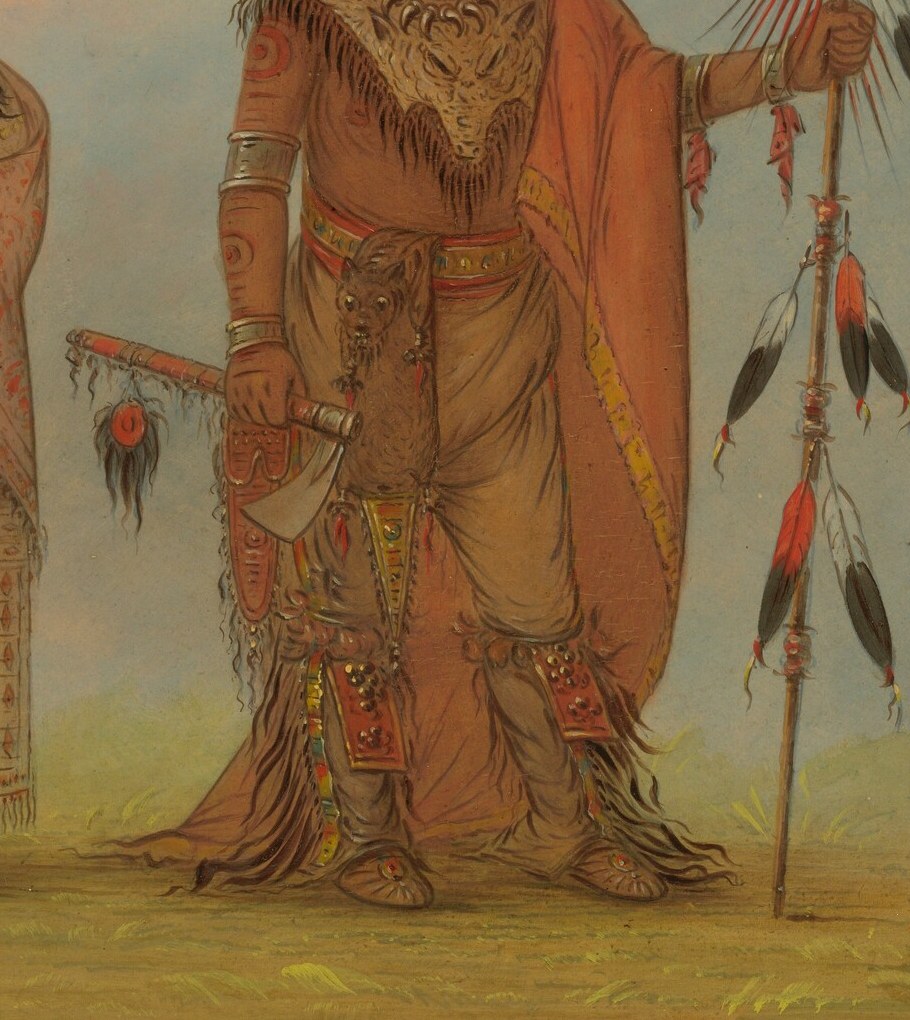
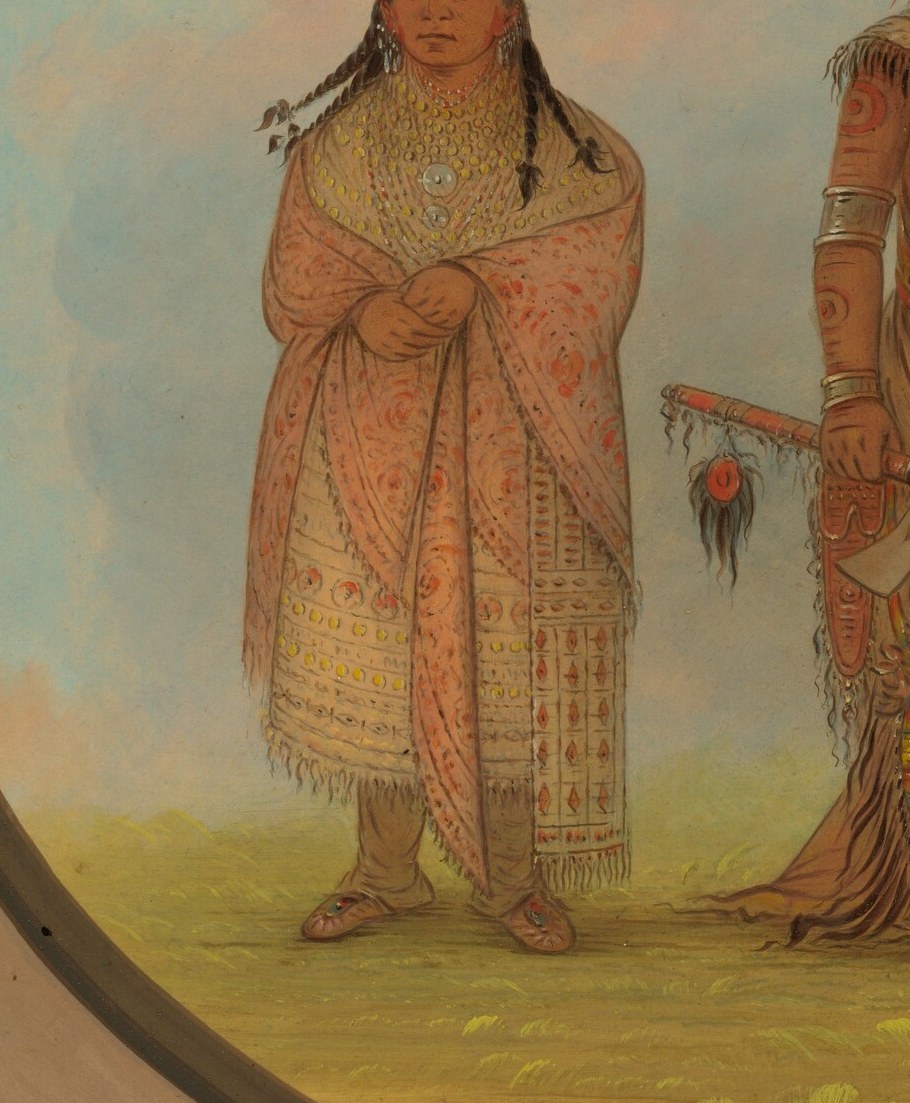
George Catlin's "Two Saukie Chiefs and a Woman," painted in 1861, is an oil on card mounted on paperboard that offers a glimpse into Native American life. This important piece is part of a larger collection at a regional museum, showcasing Catlin's dedication to preserving the visual records of tribal cultures.
In this portrait, observe the intricate details, such as the eagle feathers on the chief's headdresses, symbolizing leadership and spiritual connection, and the elaborate beadwork on their robes, which speaks to their craftsmanship and status. The woman's feather fan suggests a ceremonial role, adding to the cultural narrative.
Catlin, a lawyer turned painter, embarked on extensive travels to the American West in the 1830s to document the Plains Indians. By the 1860s, his focus had shifted towards portraiture, driven by a desire to create a lasting visual record of tribal leaders and customs as their traditional ways of life faced increasing threats. This painting, made after his 1861 expedition where he first encountered the Sauk tribe, is a testament to his life's work.
What details in their attire or expressions most capture your attention in this historical record?
Details
Transcript
This painting records a moment of tribal representation. The artist specialized in documenting Plains Indian life. The prominent eagle feathers signify leadership and spiritual connection. The woman's feather fan suggests a ceremonial function. The detailed beadwork on the robe highlights craftsmanship and status. These portraits aimed to preserve visual records of tribal customs.