A Musical Party by Gerbrand van den Eeckhout
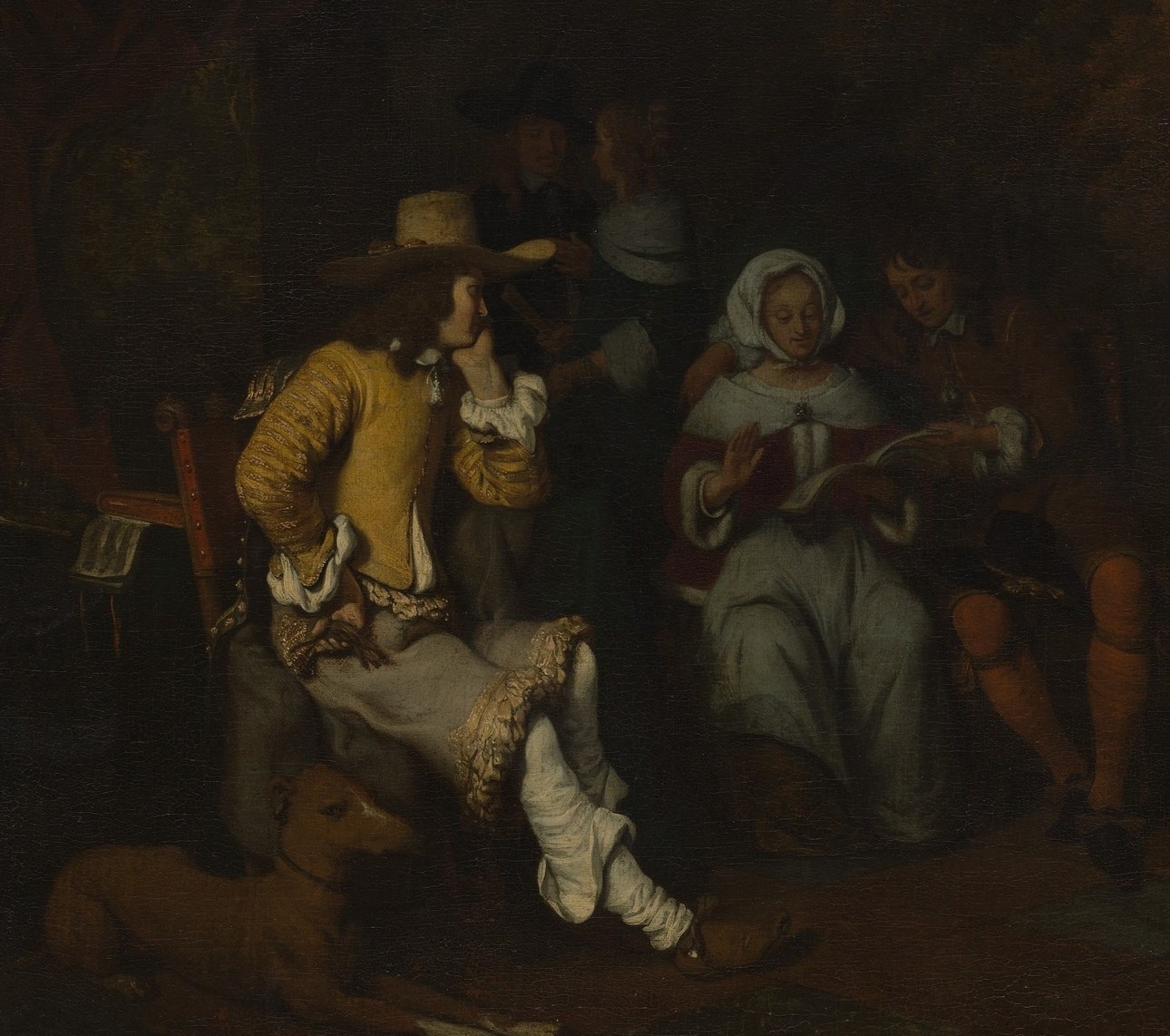
This is Gerbrand van den Eeckhout's 'A Musical Party,' painted around 1650. A favorite student of Rembrandt, van den Eeckhout painted this domestic scene of music and courtship, and it once carried an insurance valuation of 5.4 million dollars.
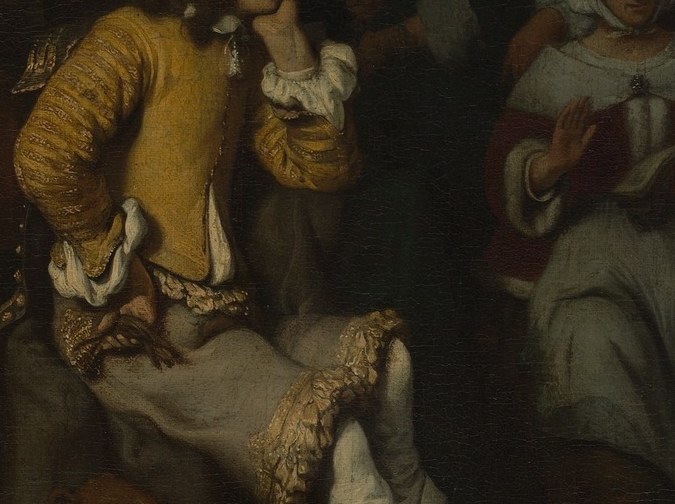
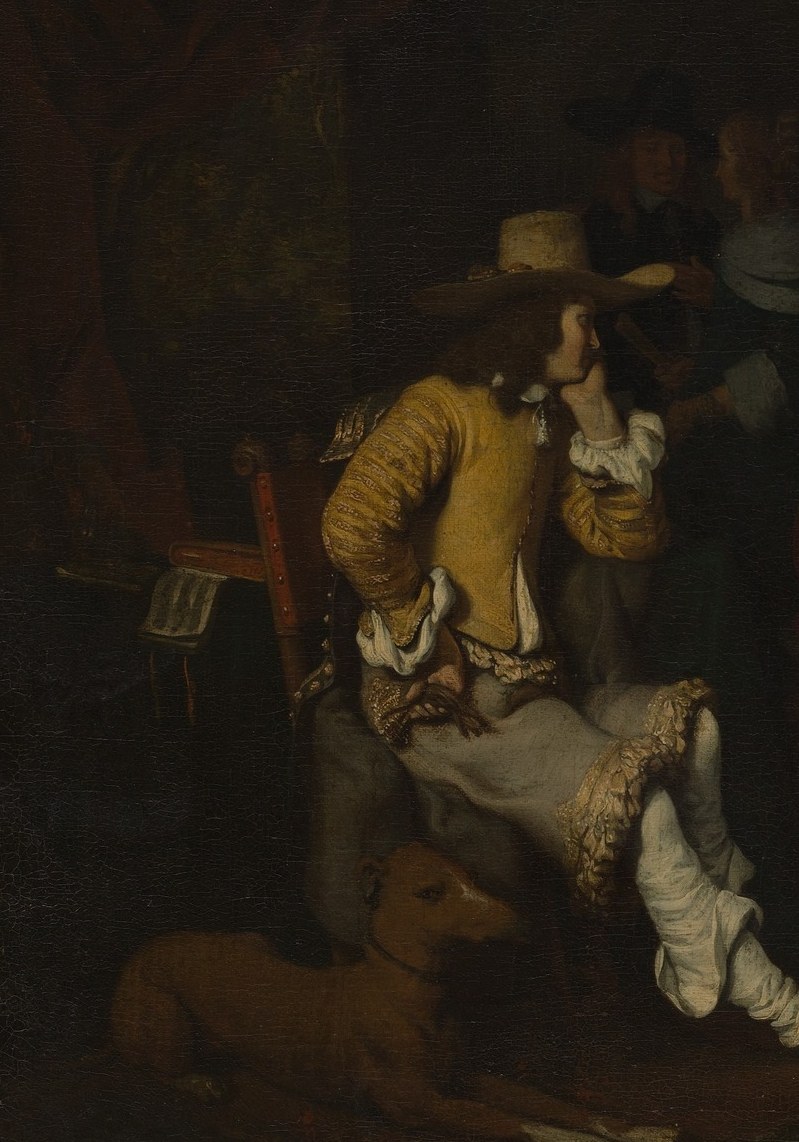
Look first at the central pair: the man in the wide-brimmed hat and the woman in the pale dress lit by a single warm light source. The chiaroscuro is pure Rembrandt school, pulling faces and hands from near-total darkness. The man's fingers on the lute strings are painted with precision, a detail meant to make you hear the music.
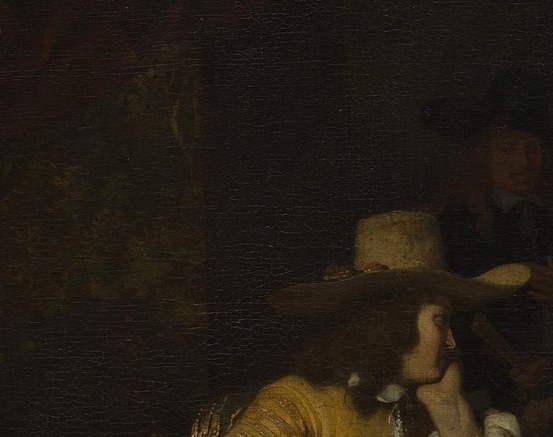
Then scan the upper right. A shadowy fourth figure hides in the dark, so faint it almost merges with the background. This hidden presence is classic van den Eeckhout, a chaperone, a servant, or another musician, left for the careful viewer to discover.
The painting entered the Metropolitan Museum of Art's collection after the private owner's death, moving from a multi-million-dollar insurance policy to a public wall. Does knowing its price tag change how you look at it?
Details
Transcript
This painting was insured for 5.4 million dollars. The artist was Rembrandt's favorite pupil. A warm light carves the figures from deep shadow. Look at the hands on the lute strings. Now look into the darkness, upper right. A fourth figure is almost swallowed by the black. The Met acquired it after the owner's death.