Joseph Dugan by Sully, Thomas
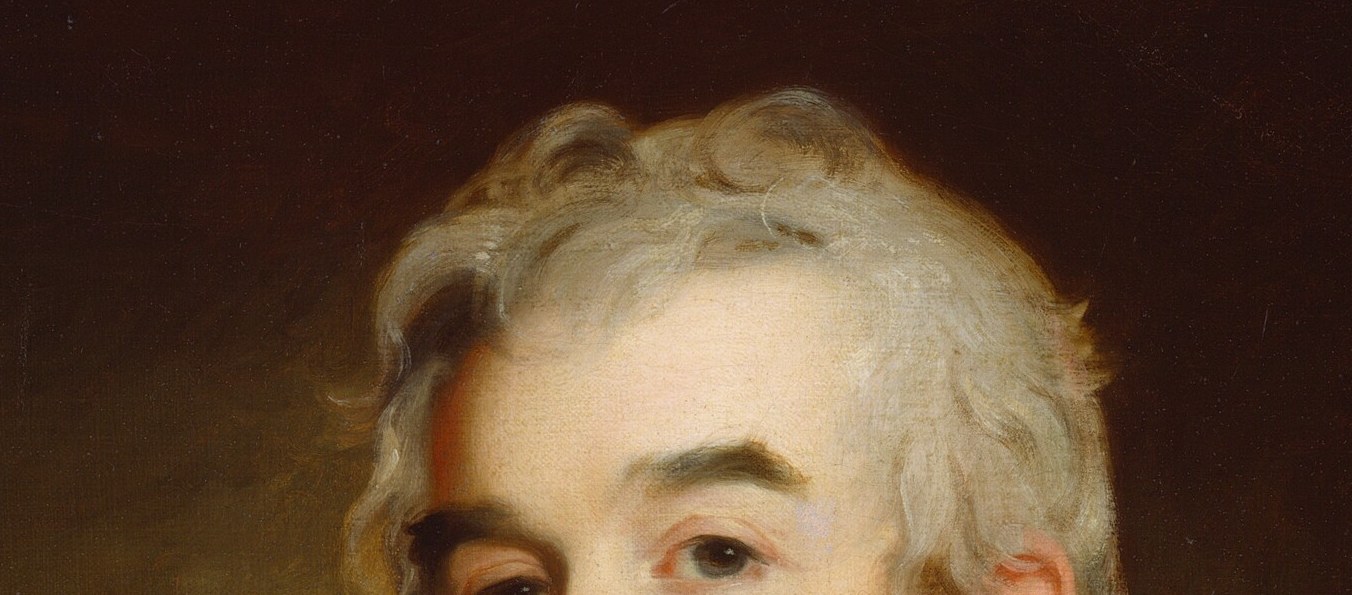
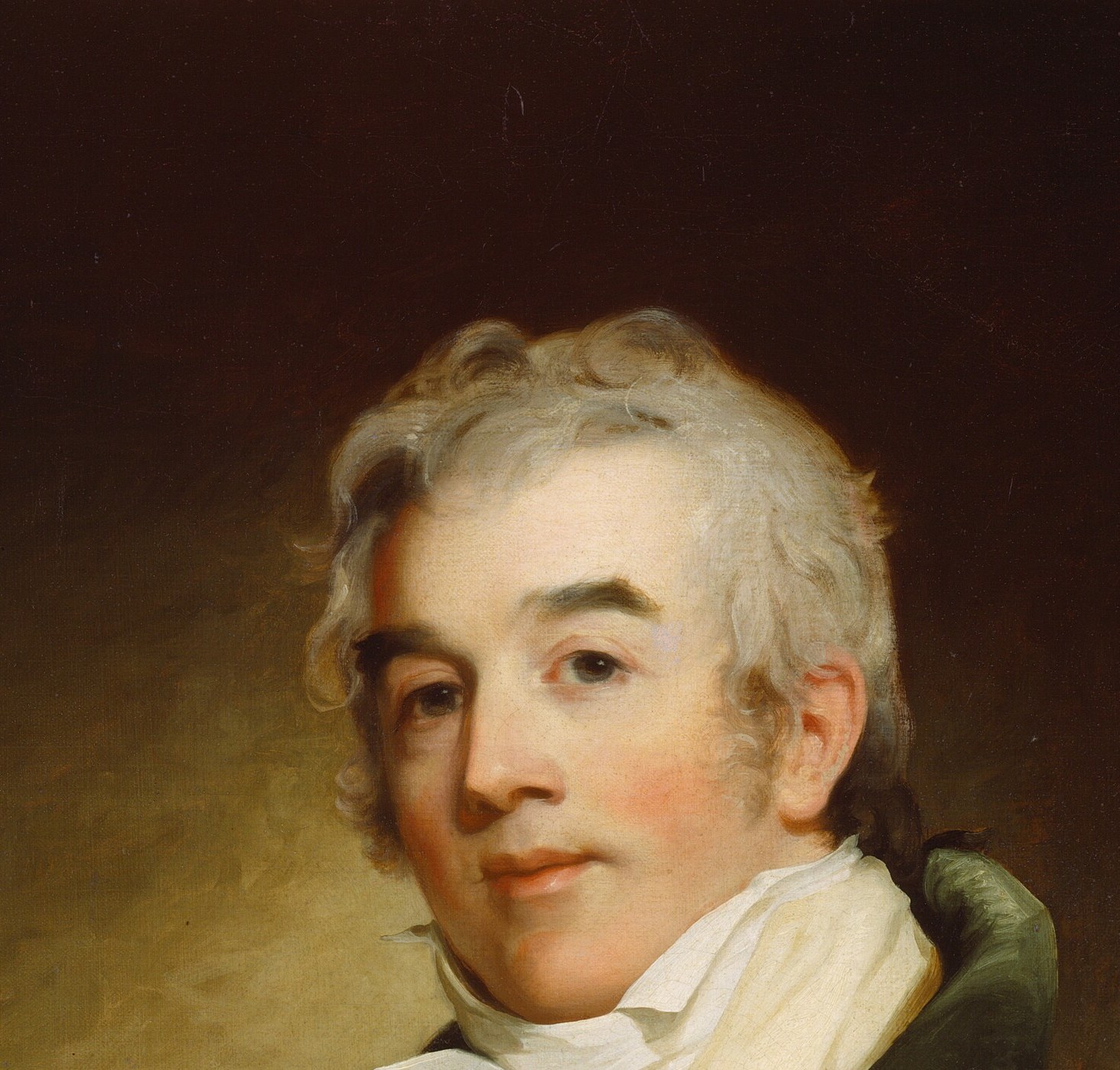
This is Thomas Sully's portrait of Joseph Dugan, painted in 1810 when the American republic was young. Sully was the premier portraitist of early Philadelphia, painting Lafayette, Thomas Jefferson, and Queen Victoria, but this quiet portrait of a private citizen carries a more mysterious history.
It vanished. For roughly a century, the painting's location was unknown to the public. The Dugan family, fearing the destruction of the Civil War and its chaotic aftermath, hid the portrait away. What looks like a straightforward image of a gentleman at his desk became a secret family heirloom, passed down in private while the nation tore itself apart.
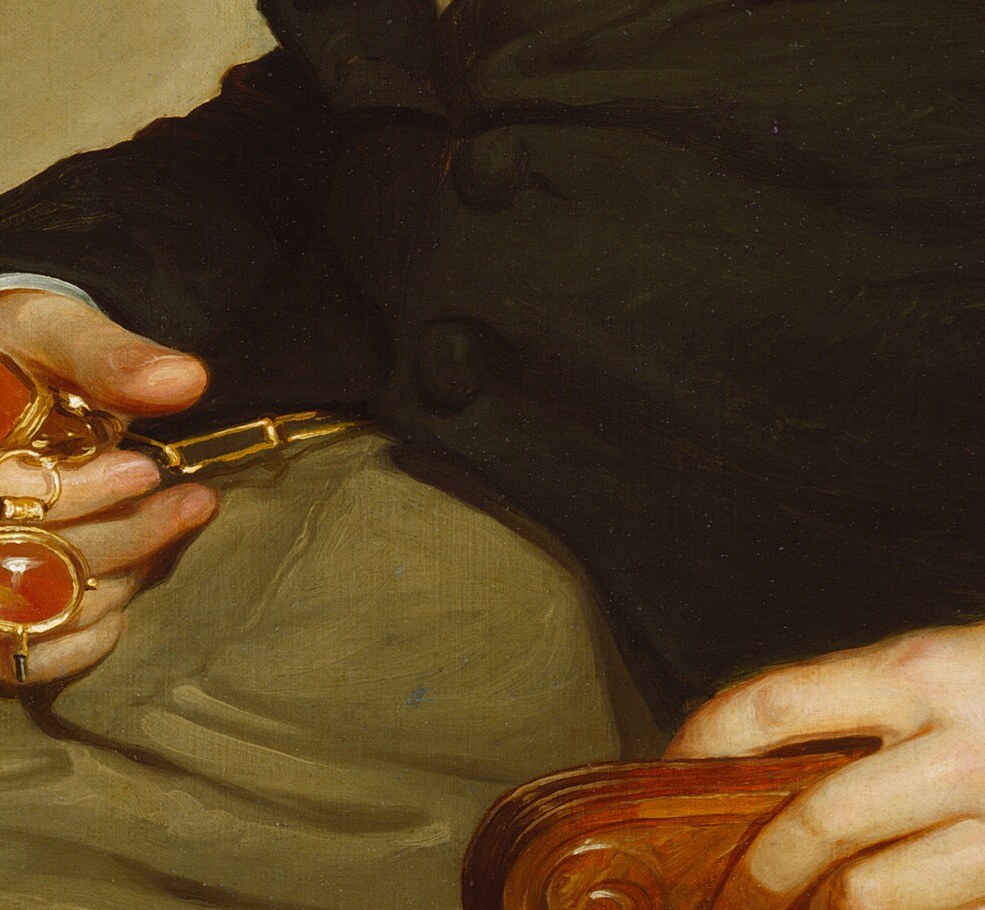
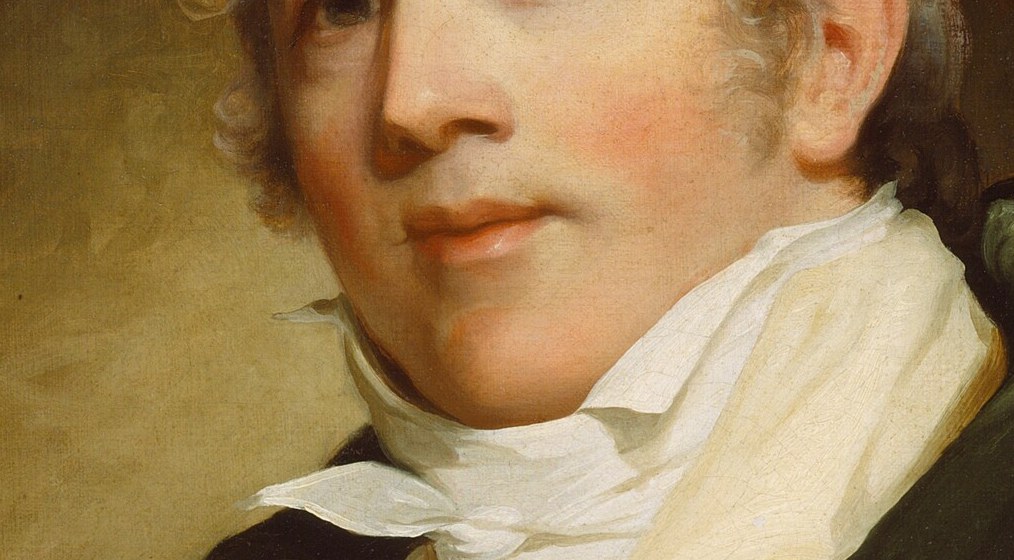
The painting resurfaced intact in the twentieth century. Look at the face Sully gave Joseph Dugan, luminous, soft-edged, almost idealized. Sully was famous for eliminating harsh shadows, using a technique of delicate glazes to make his sitters glow from within. The gaze is direct, the papers in his hand suggest commerce and literacy, and the whole composition radiates a kind of calm authority that must have felt reassuring to hide away during wartime.
An image of permanence, hidden for its own protection. What would it have meant to the family who kept it safe, to look at this steady face while everything outside was burning?
Details
Transcript
This man looks like a pillar of early American respectability. His name was Joseph Dugan. A man of affairs. Papers in hand, steady gaze, everything about this portrait says permanence. But for a century, the painting itself had vanished from public view. The family hid it. They feared the destruction of the Civil War. Sully painted him in 1810, when the young republic was barely a generation old. The painting survived, but its whereabouts became a family secret. It only resurfaced in the twentieth century, intact and undamaged.