Rotterdam Ferry-Boat by Turner, Joseph Mallord William
J.M.W. Turner's 'Rotterdam Ferry-Boat', painted in 1833, captures the immense power of nature alongside the quiet persistence of human life. Housed at the National Gallery of Art in Washington D.C., this oil on canvas reveals Turner's mastery of atmospheric effects and his fascination with maritime scenes.
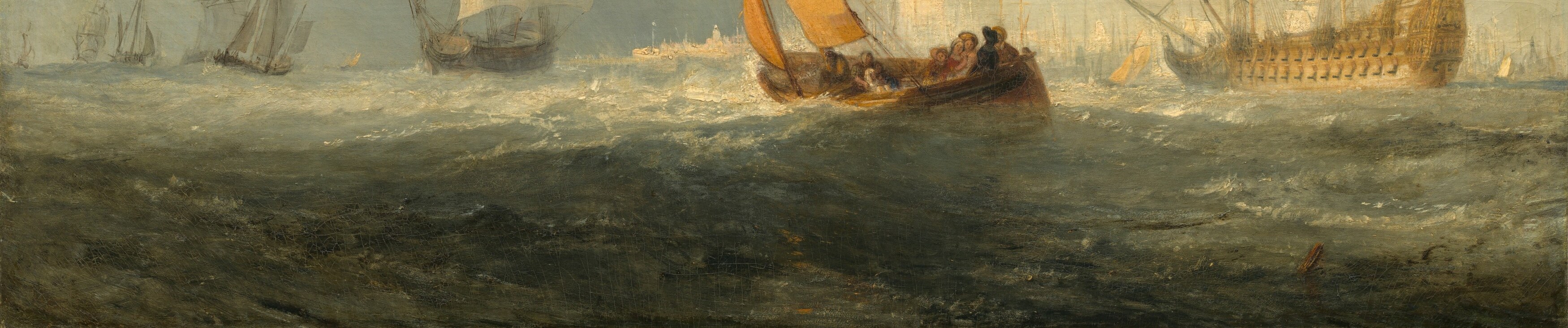
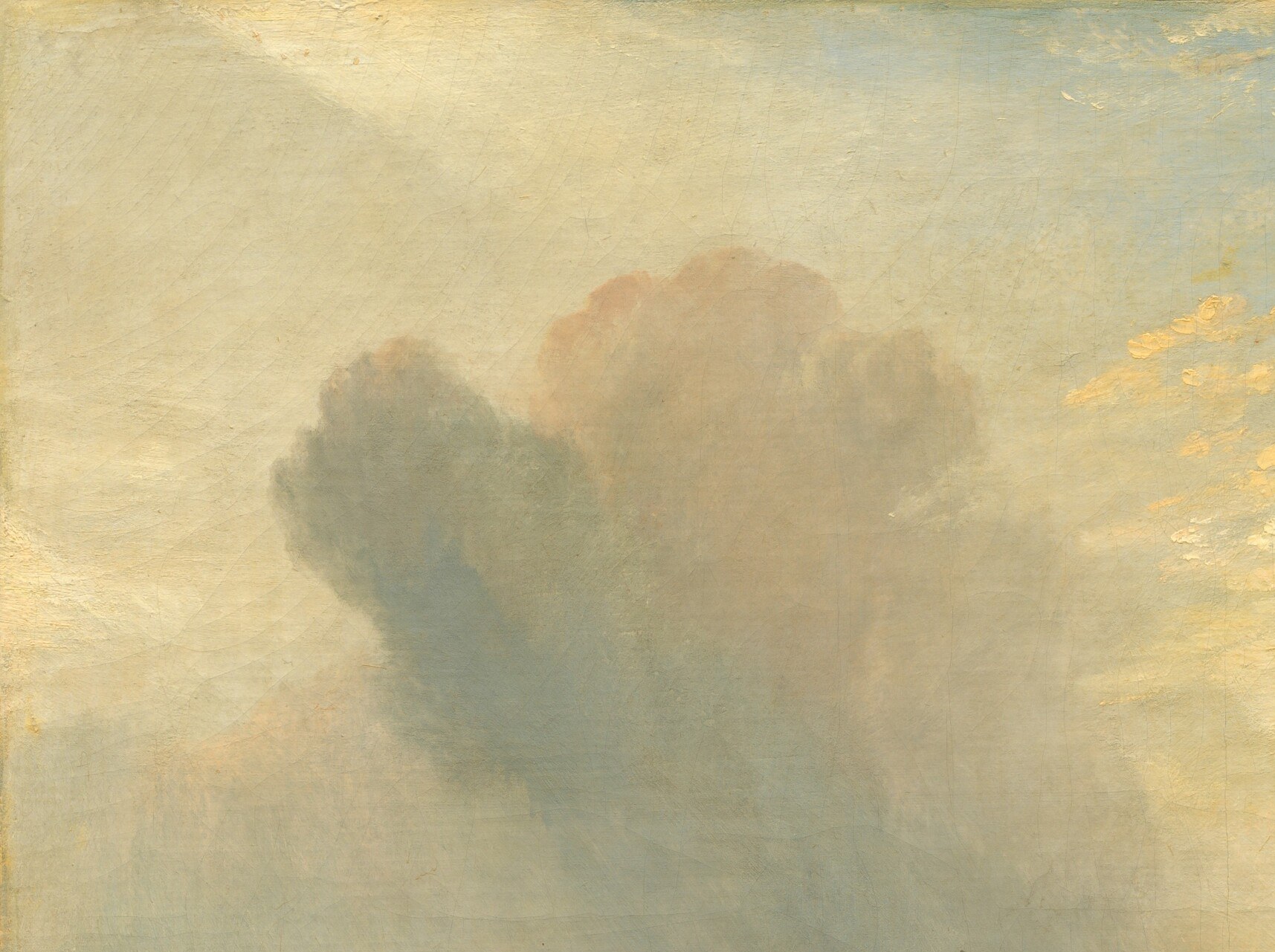
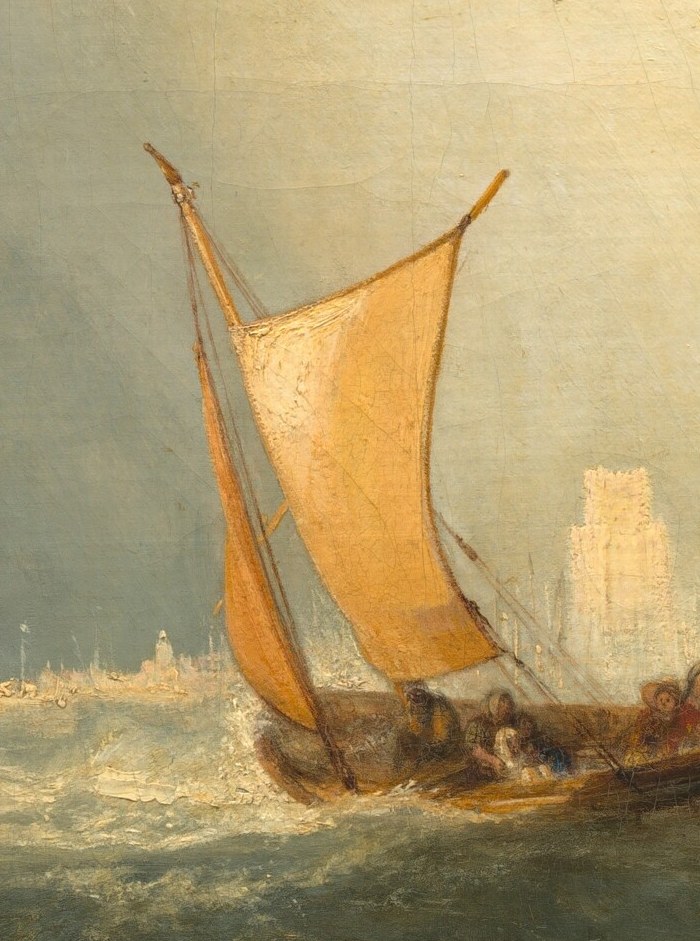
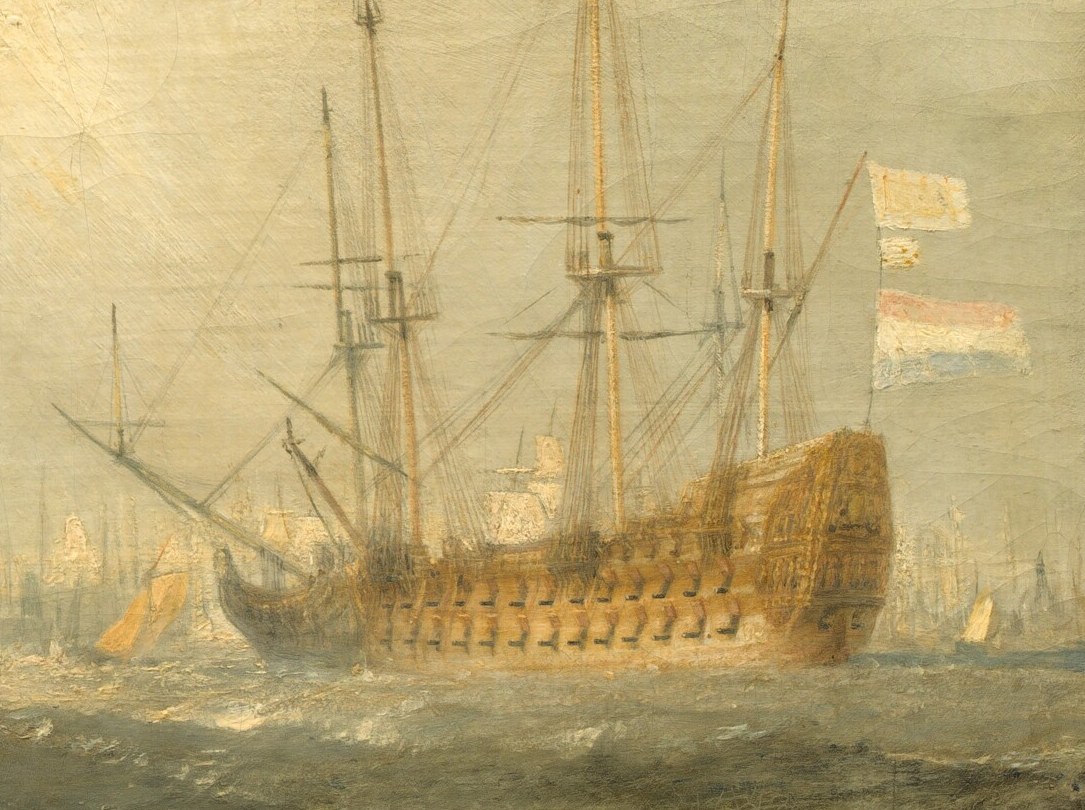
Look closely at the small ferryboat, its passengers barely visible against the vastness of the sea and sky. They are humble figures, navigating choppy waters beneath dramatic storm clouds and the imposing presence of a Dutch Navy warship in the distance.
Turner, known for his innovative style and loose, gestural brushwork, frequently explored the interplay of vessels, light, and the elements. This painting was first exhibited at the Royal Academy's Summer Exhibition in 1833, a significant platform for artists of his era. It is part of a series of Dutch-themed seascapes he created.
What do these tiny figures suggest about our place in the natural world?
Details
Transcript
This painter was obsessed with the sea. He captures the sheer power of nature. Yet a small ferry carries anonymous lives. They are dwarfed by the dramatic sky and warship. Turner exhibited this painting in London, 1833. He reminds us of human presence amidst raw elements.