Ruins in a Rocky Landscape by Salvator Rosa
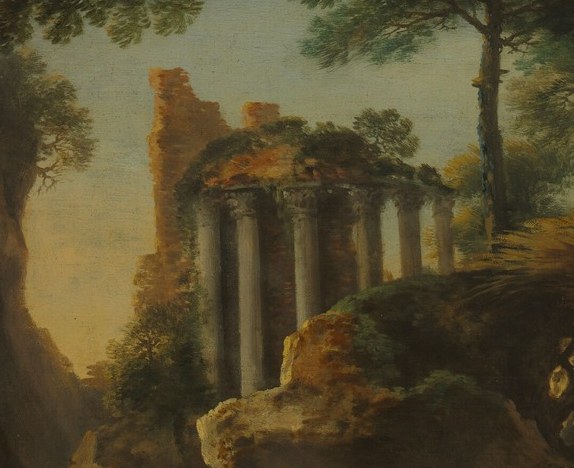
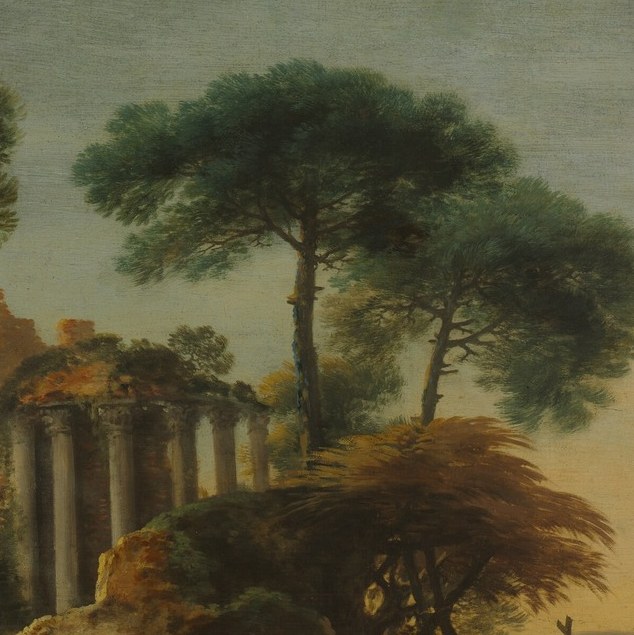
Salvator Rosa's "Ruins in a Rocky Landscape," painted in 1640, is a masterful example of the artist's dramatic and untamed vision, now housed at the Met Museum. Rosa's landscapes are known for blending ancient ruins with wild, rugged nature, a style that greatly influenced Baroque art and beyond.
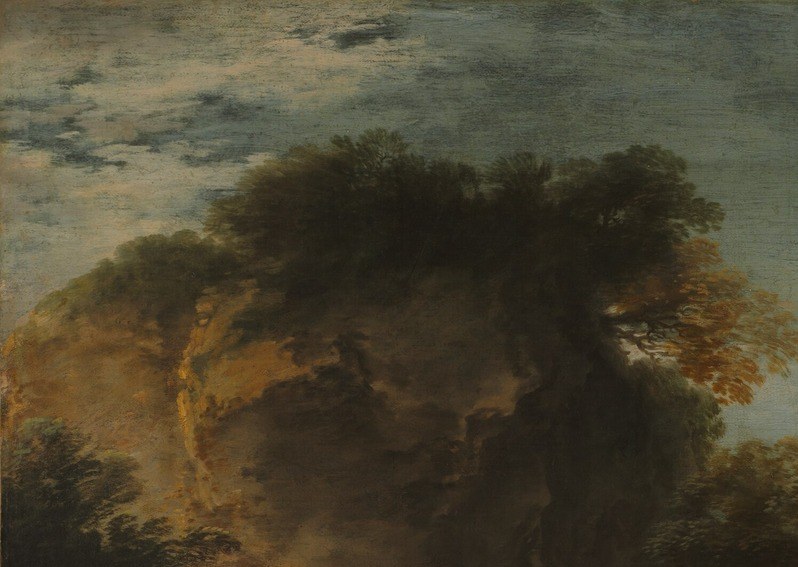
Notice how tiny figures, like the herdsman in red and the resting figures by the water, add a human scale to the overwhelming natural environment. The dramatic contrast of light and shadow, particularly in the golden sky break, is a hallmark of Rosa's technique, drawing the viewer's eye through the scene.
Rosa (1615-1673) was a prolific Italian Baroque painter, also known as a poet and satirist. His unique approach to landscape, emphasizing the sublime and sometimes hostile aspects of nature, set him apart. He often chose obscure subjects, prioritizing the landscape element in his compositions.
This painting invites us to reflect on the interplay between human history and the enduring power of the natural world. What details do you find most striking?
Details
Transcript
This painter helped invent the dramatic landscape. He placed ancient ruins within untamed nature. Look closely at the figures resting by the water. Tiny details create depth and human scale. His use of light and shadow shaped the Baroque style. This rugged vision of nature influenced generations.