The Arab Falconer by Eugène Fromentin
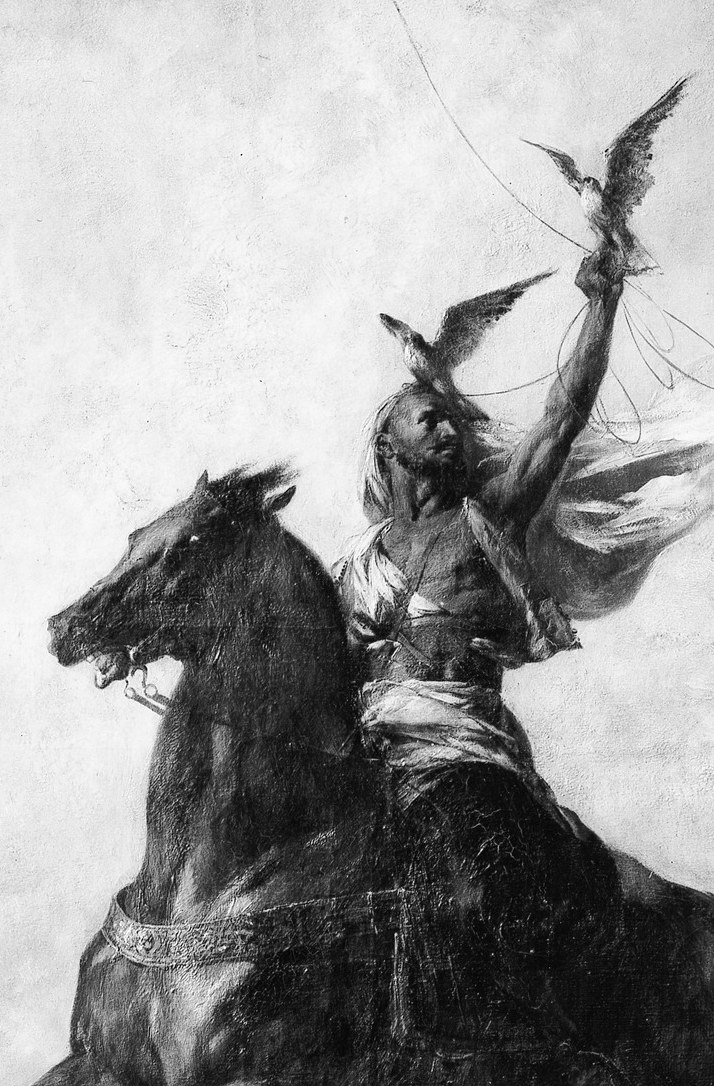
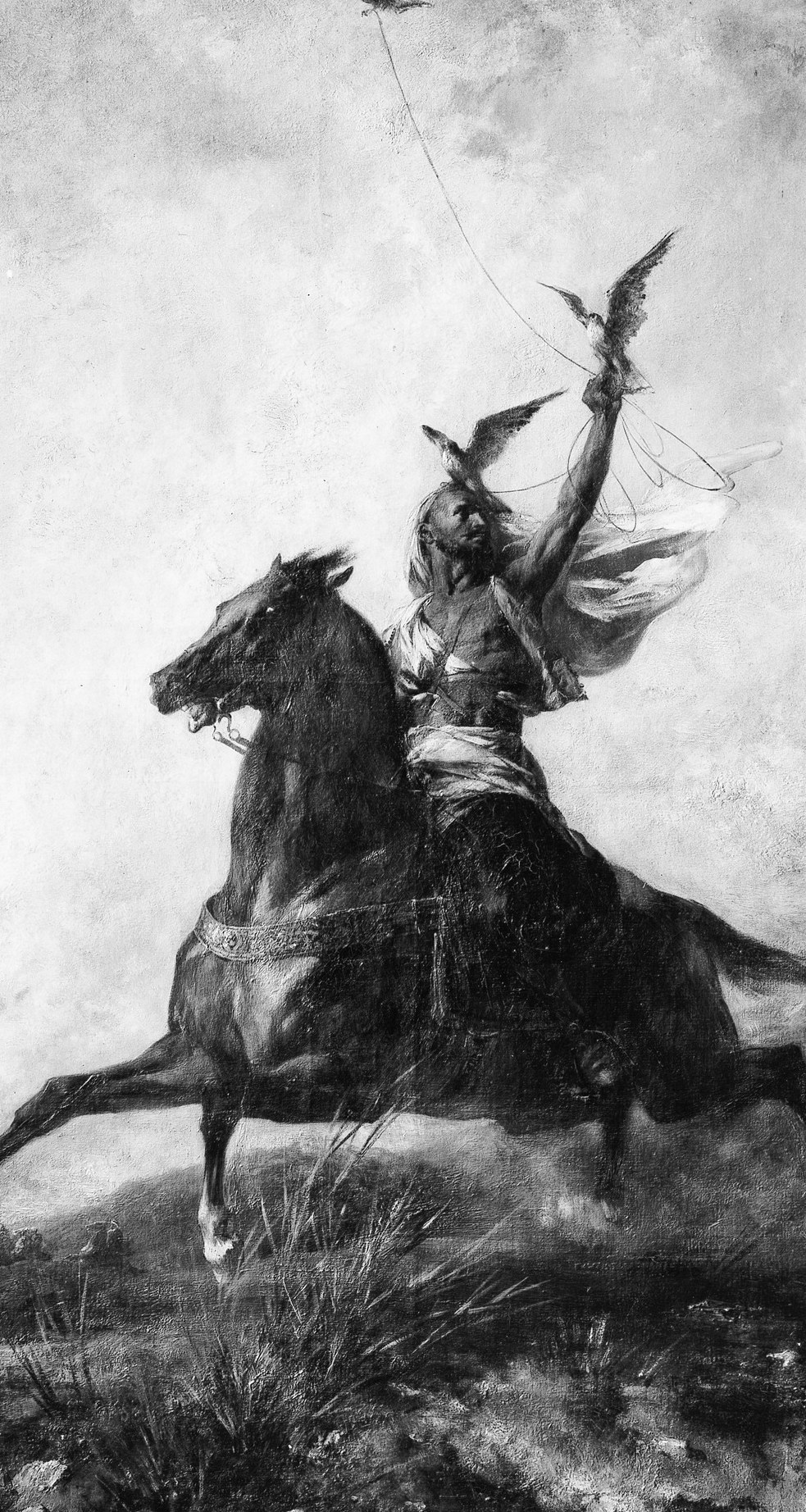
Eugène Fromentin painted The Arab Falconer in 1864, and it hangs now at The Metropolitan Museum of Art. He was a French painter and writer who made three journeys to Algeria, and this canvas is the result of direct observation, not studio fantasy. The falconer's name was never recorded. He exists only here.
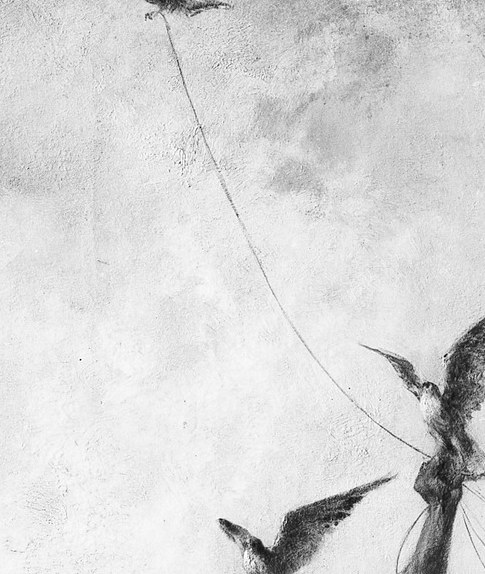
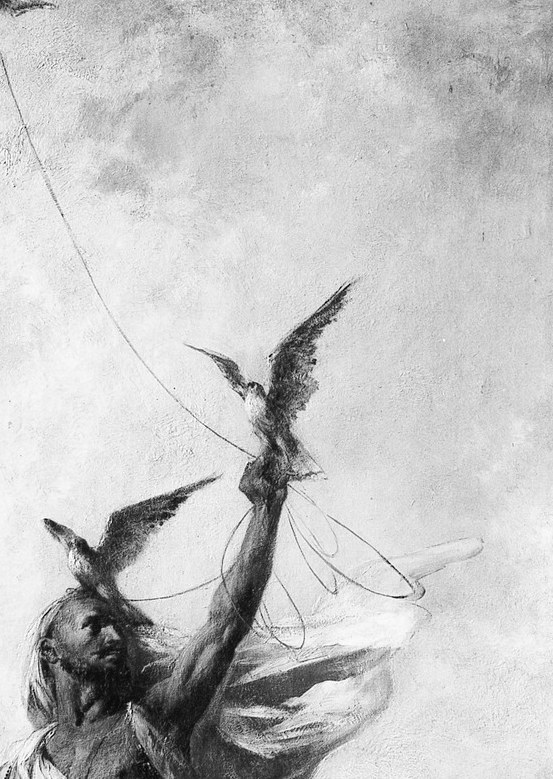
Look at his face, turned upward, following a bird so small against the sky that you might miss it. His right arm is fully extended at the moment of release. Now look at his left hand, low and quiet on the reins. Two gestures tell the whole story of falconry: one hand gives freedom, the other keeps control.
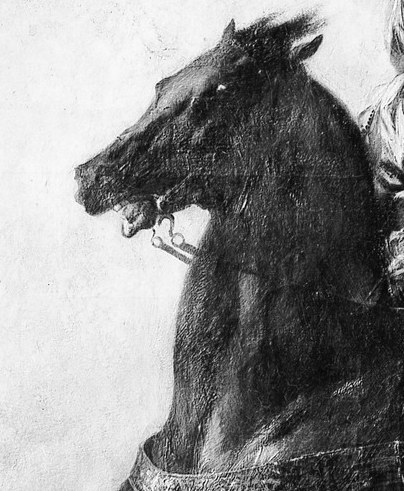
Fromentin was celebrated in his lifetime for his ability to paint horses, and the dark horse here is a marvel of muscular tension and stillness. The animal rears, but it is trained for this. It stands calm while prey is launched. The artist dissolved the horizon into atmospheric haze because he wanted the boundlessness of the desert, not its geography. The white burnous catches the light and pulls your eye upward through the whole tall canvas.
Fromentin died in 1876 at fifty-six. The falconer went back to his life. The bird flew. The painting remains.
Details
Transcript
Eugène Fromentin traveled to Algeria three times. He went to paint the light, the horses, the people. He found this man. Face turned skyward. Watching something we can barely see. One hand releases a bird into the pale desert air. The other hand holds the whole world steady. Fromentin died twelve years after painting this. The falconer's name was never written down.