Saint Peter Repentant by Georges de La Tour
Georges de La Tour's 1645 painting, *Saint Peter Repentant*, at the Cleveland Museum of Art, showcases the French Baroque master's signature use of dramatic chiaroscuro, a technique that was largely forgotten for centuries after his death.
The painting depicts Saint Peter in a moment of profound remorse, illuminated by a single, unseen light source. Look closely at how the light catches his tearful eye and the humble detail of his clasped hands, intensifying his emotional state. Even the rooster's eye, a symbol of his denial, seems to witness his repentance.
La Tour spent most of his life in the Duchy of Lorraine and was a keen observer of everyday reality, blending Nordic, Italian, and French artistic influences. His pronounced taste for light and shadow made him a unique successor to Caravaggio.
Rediscovered in the early 20th century, La Tour's work now stands as a powerful example of spiritual drama conveyed through masterful light.
Details
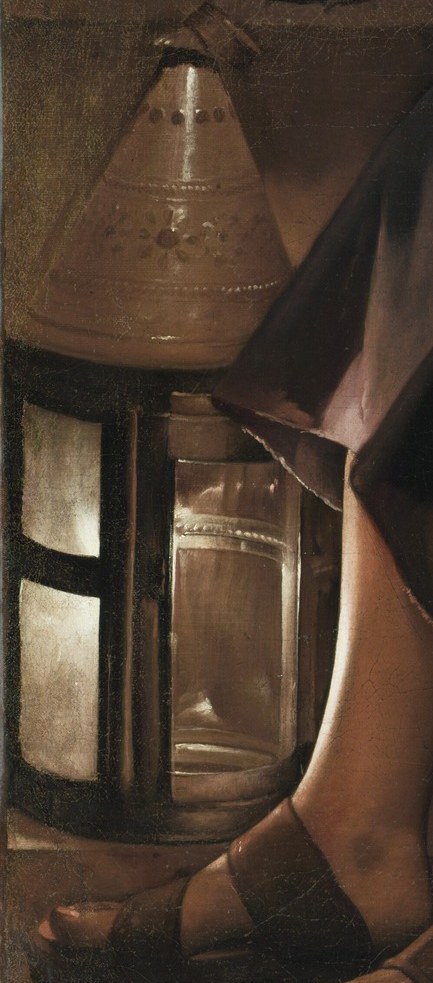
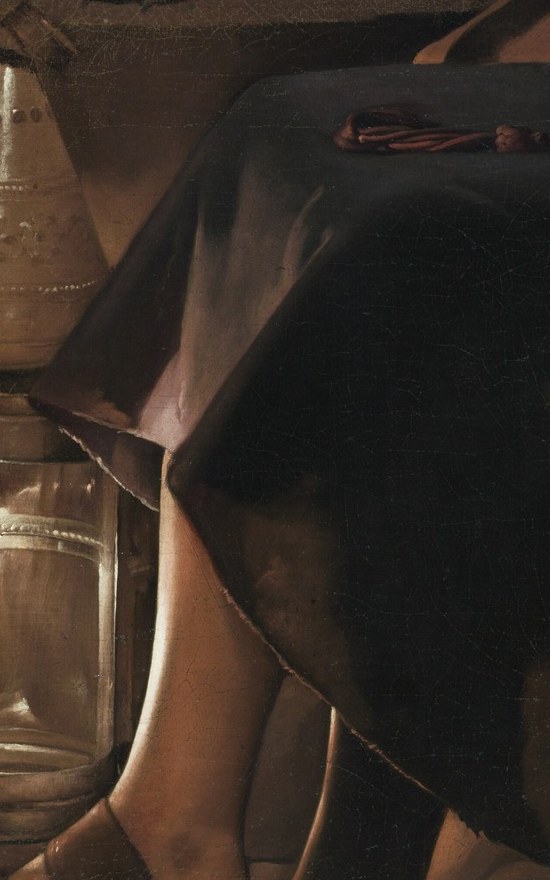
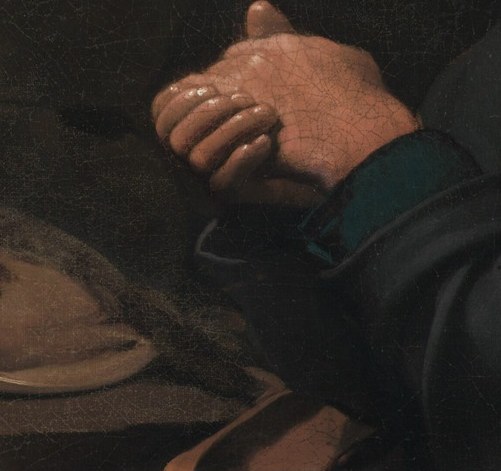
Transcript
This painter was forgotten for centuries. He painted mostly religious scenes, lit by candlelight. This single, hidden light source defines his style. Saint Peter's tearful realization catches the glow. The rooster's bright eye is a tiny, silent witness. Every detail works to deepen the moment of repentance.