Saint Francis Receiving the Stigmata by Lorenzo Monaco
Lorenzo Monaco's "Saint Francis Receiving the Stigmata," painted around 1420 and now at the Rijksmuseum, showcases a remarkable technique for depicting divine light.
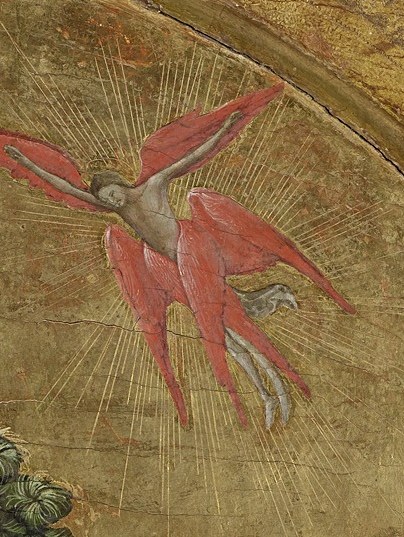
Notice the radiant halo around Saint Francis's head and the subtle glow that seems to emanate from the stigmata wounds on his hands. This isn't just paint; it's a careful combination of tempera, a paint made with egg yolk, and real gold leaf.
Monaco applied thin sheets of gold to the wooden panel. He then used a sharp tool to scratch intricate lines into the gold, creating patterns and textures before painting over and around them. This technique, known as sgraffito, allowed the gold to gleam through the paint, giving the illusion of an internal, spiritual light.
This meticulous process creates a luminous quality, making the sacred elements of the painting truly seem to glow. What other details do you notice?.
Details
Transcript
This painter, Lorenzo Monaco, worked in 1420. He used tempera paint, made with egg yolk. See the faint golden glow around his head? That's gold leaf, meticulously applied to the panel. He scratched lines into the gold, then painted around them. It makes the divine light seem to shine from within.