Group portrait with allegorical overtones of the children of Diederic Pietersz van Leyden van Leeuwen (1628-1682), burgomaster of Leiden, and Alida Paets (1625-1673) by Daniel Mijtens the Younger
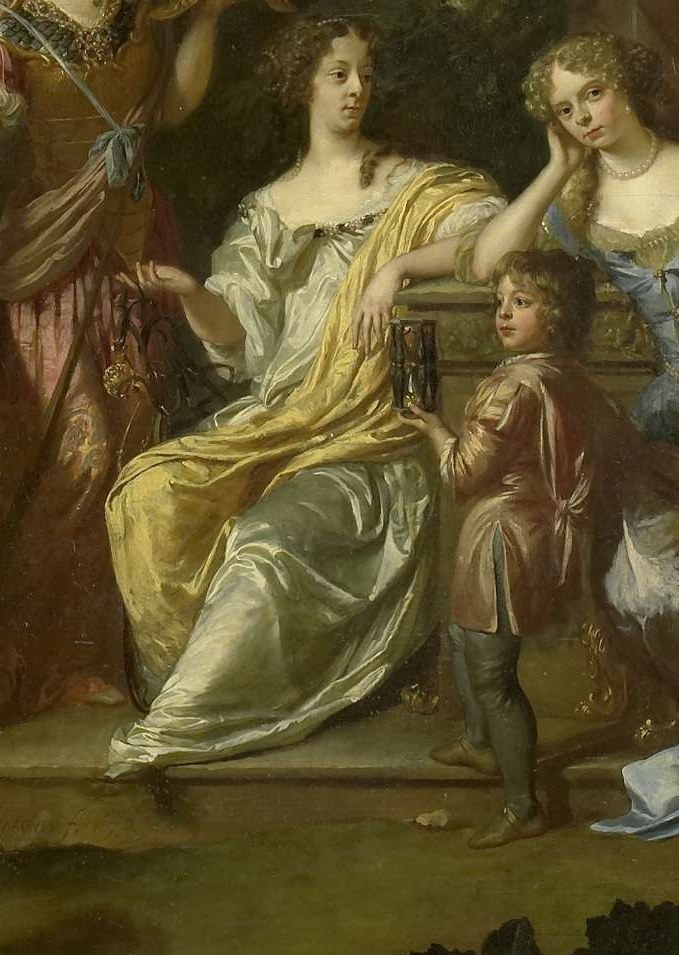
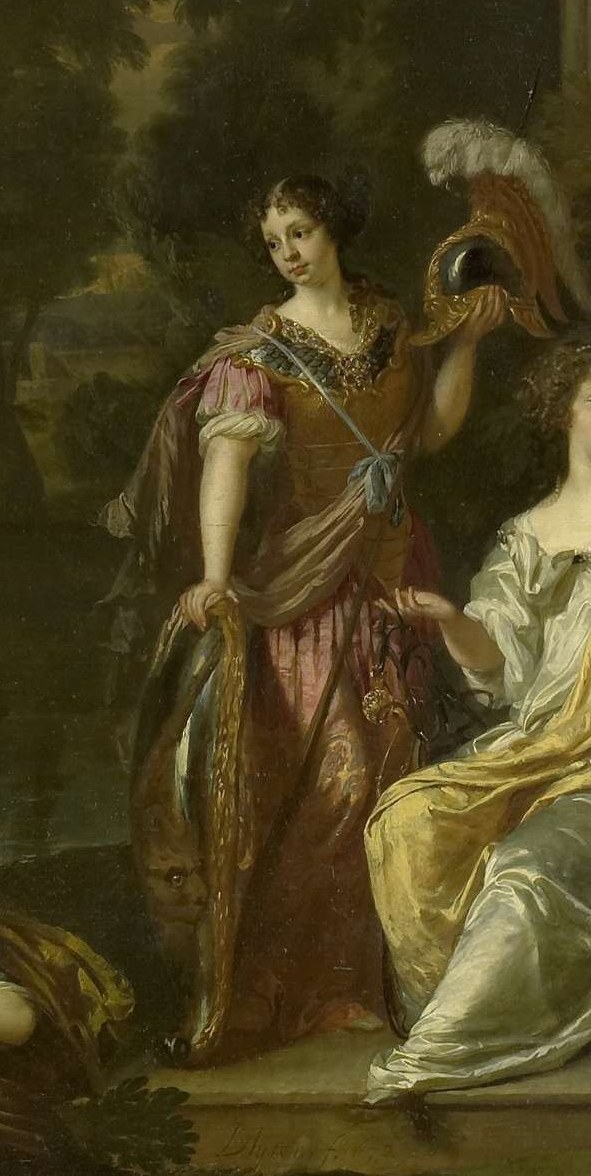
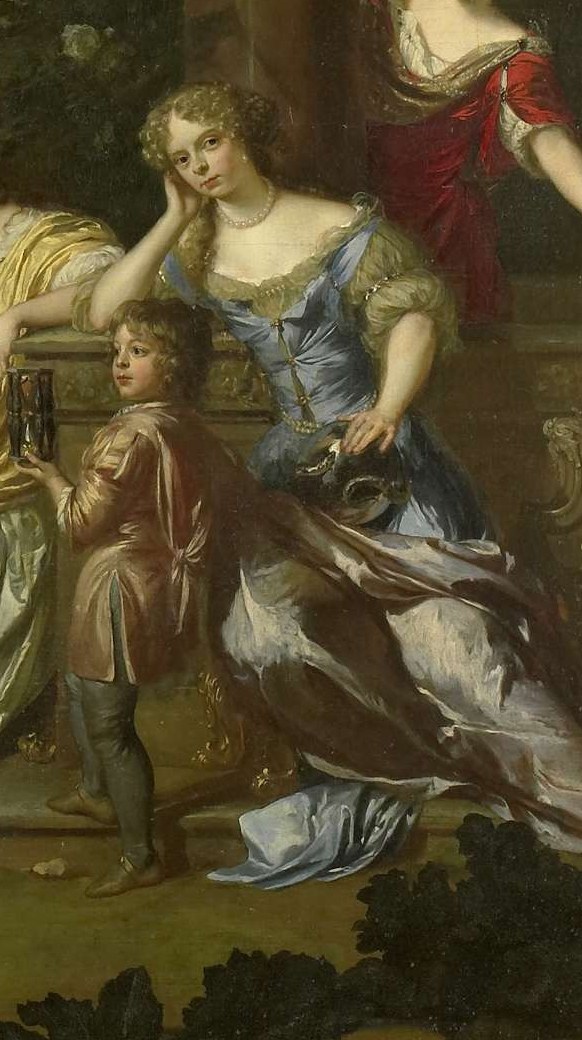
This striking "Group portrait with allegorical overtones" by Daniel Mijtens the Younger, painted in 1679, is a grand family portrait from the Dutch Golden Age, now housed in the Rijksmuseum.
While the elaborate dresses, formal poses, and classical background elements immediately convey the family's social standing, the true richness lies in the subtle details. Observe the small dog on the left, a traditional symbol of loyalty and fidelity in art. Its presence quietly reinforces the bonds within the family.
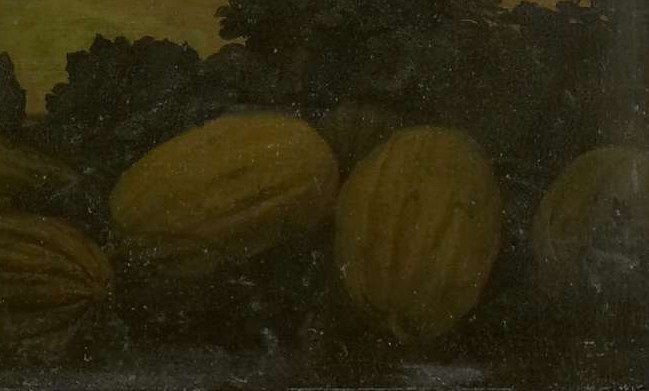
Beside the dog, look for the gourd-like objects in the foreground. These humble elements often carry a deeper meaning, representing abundance, nature's bounty, or even the transient pleasures of life. Such details were carefully chosen by patrons to add layers of virtue and meaning to their likenesses.
Mijtens the Younger, son of a prominent painter, continued the family tradition of elegant portraiture. What other small details do you notice that might hold hidden meanings?
Details
Transcript
This grand portrait shows a prominent Dutch family in 1679. Their attire and formal poses convey their social status. The painter was Daniel Mijtens the Younger, known for such works. But look closely at the very bottom, on the left. A small dog, a common symbol of loyalty and fidelity. And next to it, these gourd-like objects. These often symbolize abundance, or the bounty of nature. Small details, yet rich with meaning.