Henry Clay by King, Charles Bird
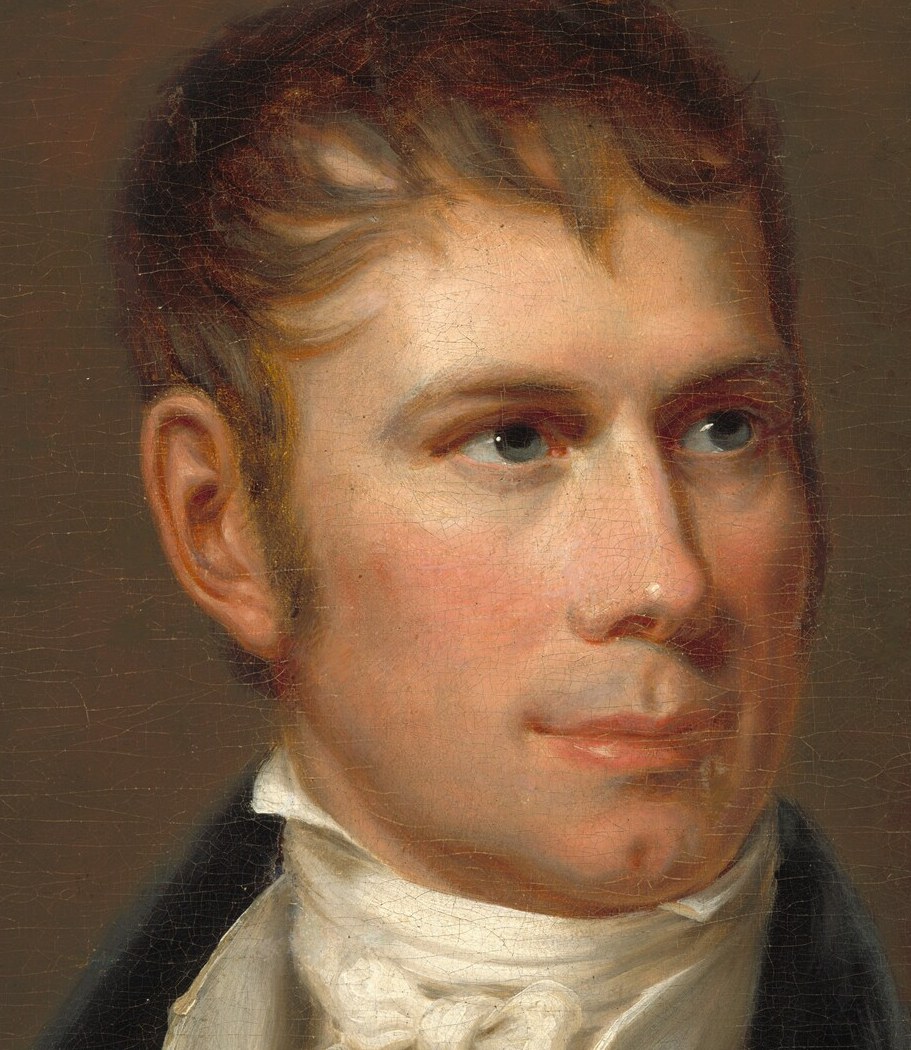
This portrait of Henry Clay, painted in 1821 by Charles Bird King, is a straightforward representation of a leading American statesman. King, known for his skill in portraiture, here applies his Dutch-influenced style to a political figure.
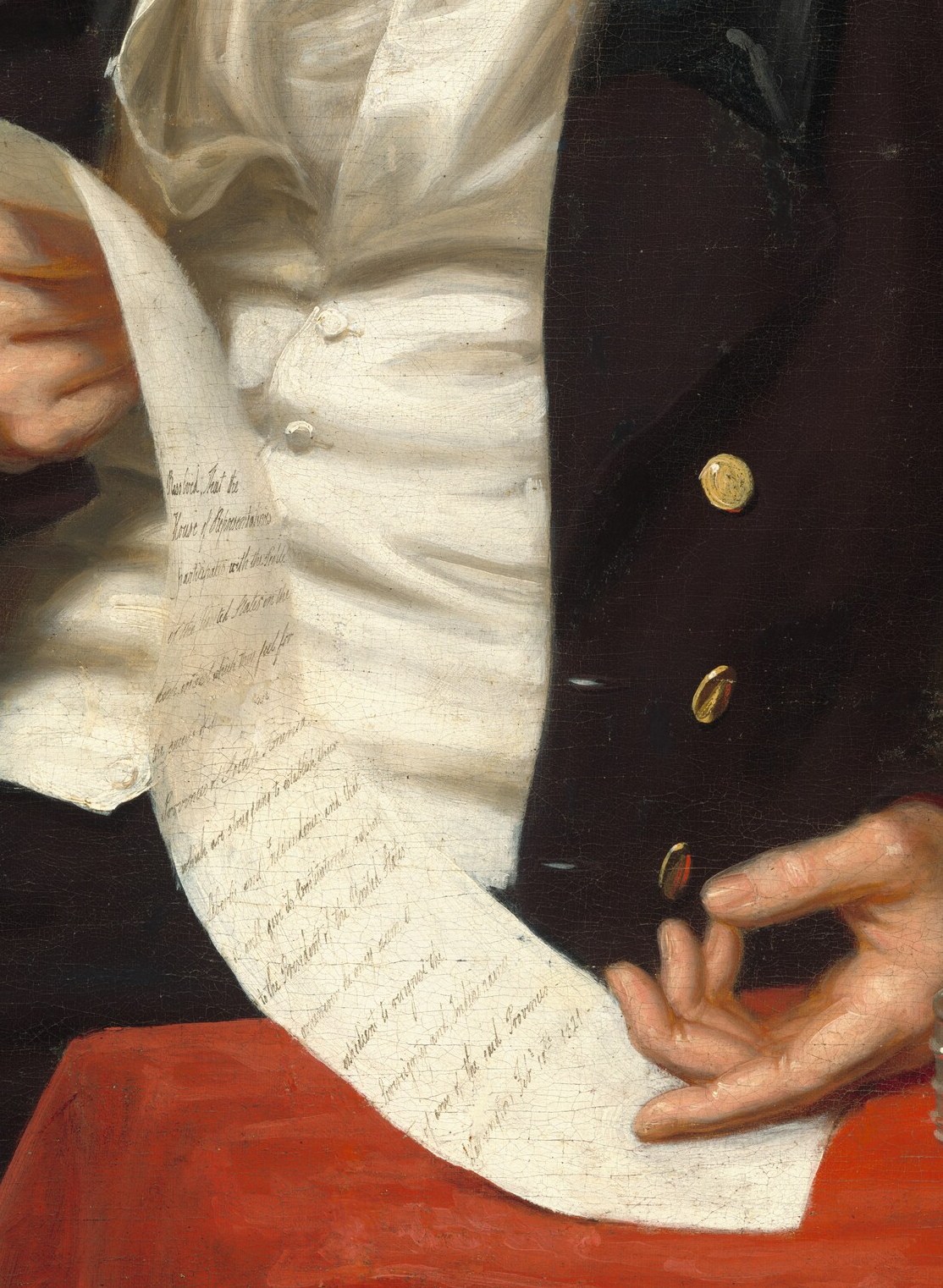
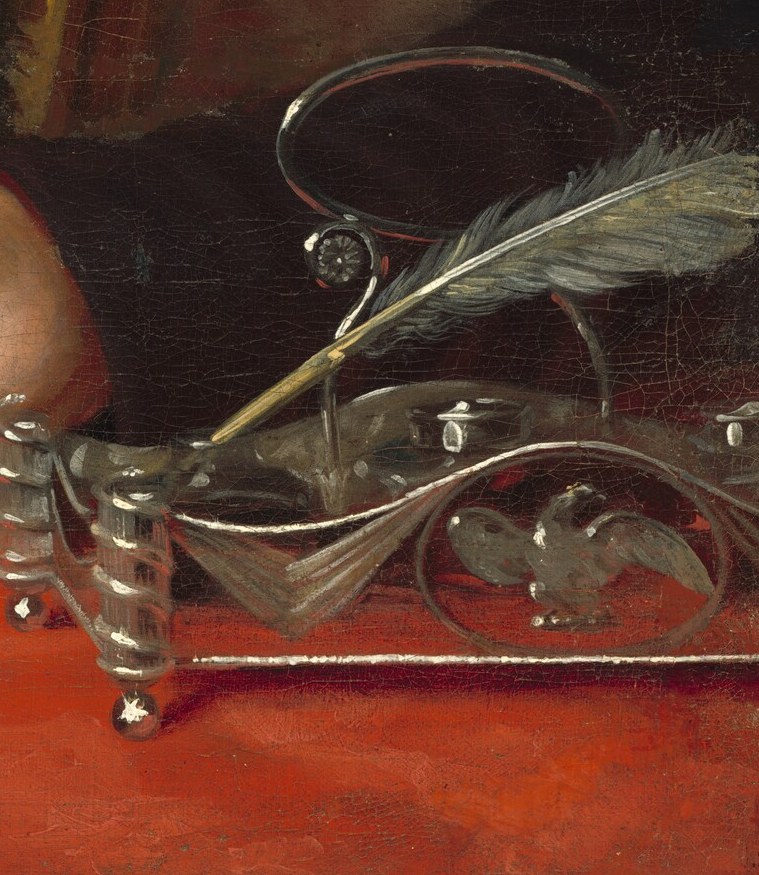
Notice the details that define Clay's identity. The sheet of paper in his hands, along with the quill and inkwell, are not mere accessories; they are symbols of his role as a legislator and orator. These elements reinforce his public image as a man deeply engaged in policy and political discourse.
Charles Bird King was versatile, applying his techniques across diverse subjects, including Native American leaders. This painting captures Clay in a contemplative pose, emphasizing his intellectual labor and influence. It offers a glimpse into the formal presentation of political figures in early 19th-century America.
What do these carefully chosen objects tell us about the person they represent?
Details
Transcript
This man was a powerful American statesman, Henry Clay. His portrait was painted in 1821 by Charles Bird King. He was known for his skilled oratory and legislative work. The paper in his hands alludes to his political discourse. His quill and inkwell symbolize the power of written word. These objects mark him as a man of policy and ideas.