A siege of a city, thought to be the siege of Gulik by the Spanish under the command of Hendrik van den Bergh, 5 September 1621-3 February 1622 by Peter Snayers
Peter Snayers, a Flemish painter renowned for his panoramic battle scenes, captured the grim reality of 17th-century warfare in 'A siege of a city, thought to be the siege of Gulik by the Spanish under the command of Hendrik van den Bergh, 5 September 1621-3 February 1622,' painted around 1650 and held at the Rijksmuseum.
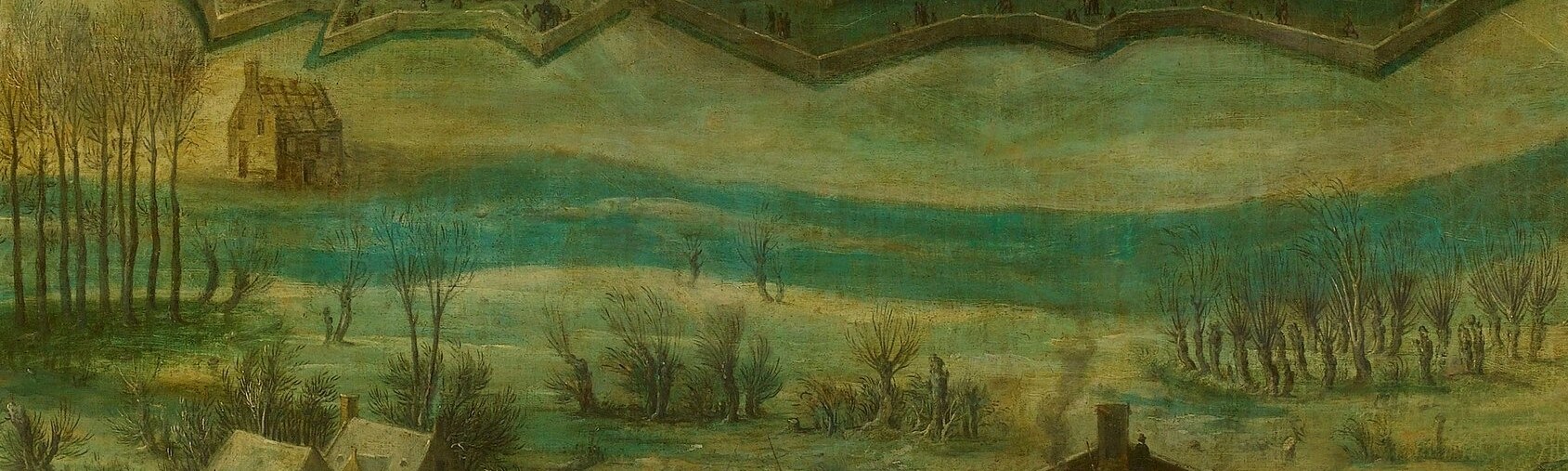
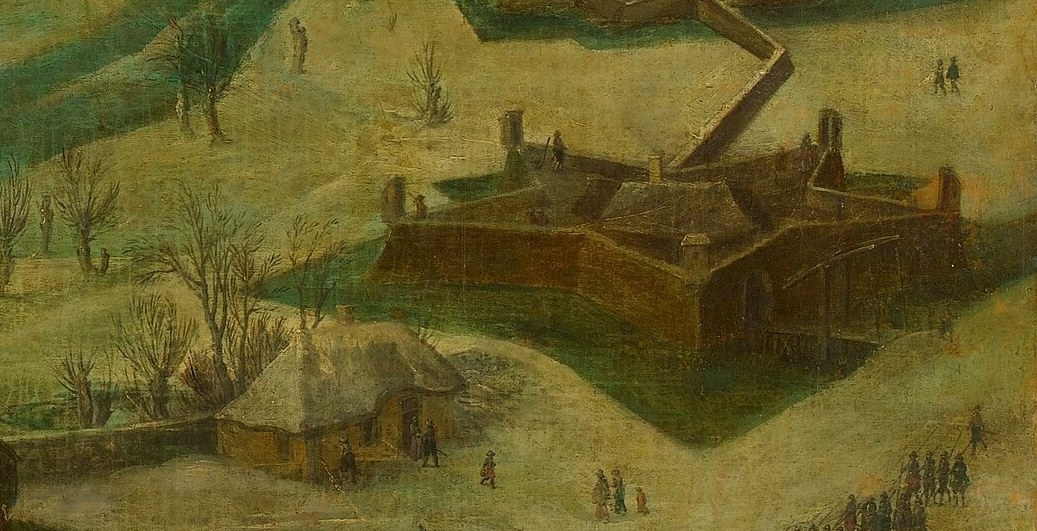
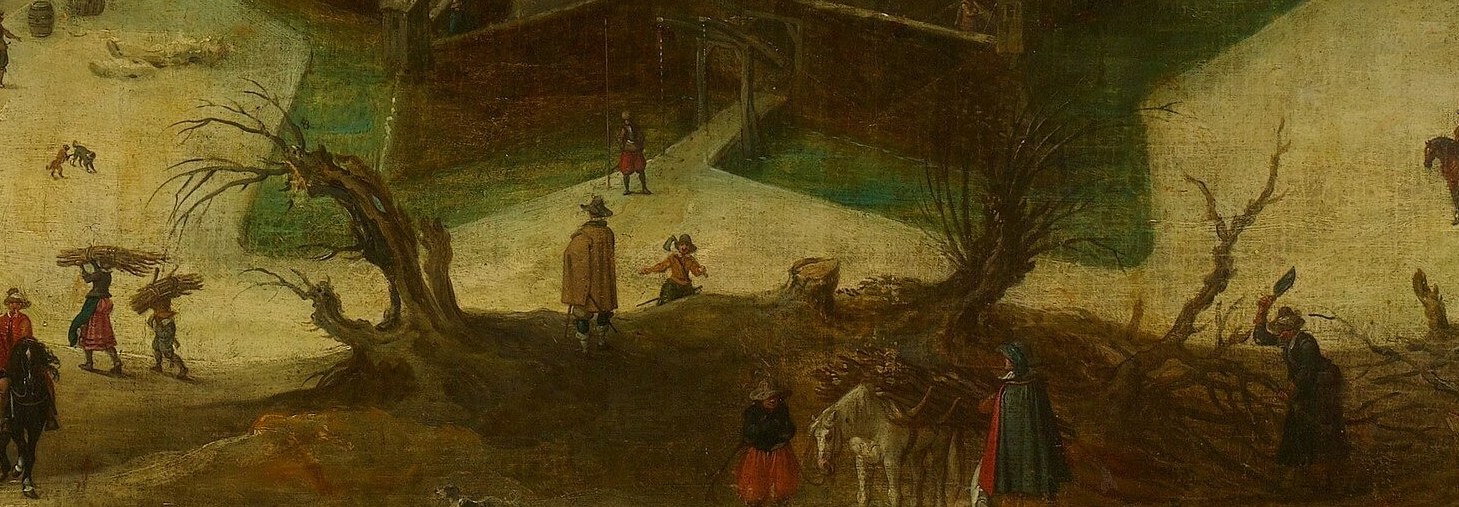
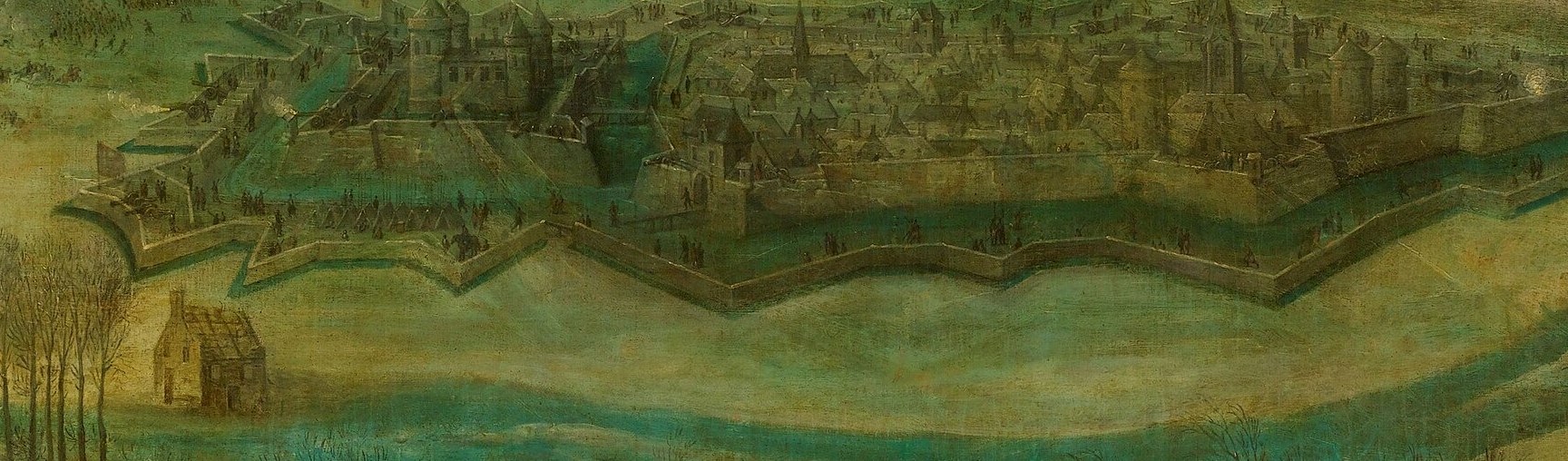
From a high vantage point, the painting meticulously details the winter siege. You can see the frozen river, the imposing city walls, and the precise placement of siege towers, illustrating the strategic elements of the conflict. The long lines of soldiers and the distant signs of civilian life, like the windmill, offer a comprehensive view of the scene.
Snayers was celebrated for his topographic accuracy, combining the precision of a cartographer with the drama of a battle painter. His works were not just art, but also valuable historical records of the conflicts of the Eighty Years’ War, often commissioned by patrons interested in military affairs.
What other details do you notice that tell the story of this historic siege?
Details
Transcript
This painter was known for his bird's-eye views of battle. It shows the 1621 siege of Gulik, fought in winter. Spanish forces used siege towers to breach the city walls. A long procession of soldiers shows the scale of the armies. Even a distant windmill is visible, showing life continued. This painting combines cartographic precision with dramatic narrative.