La Mousmé by Gogh, Vincent van
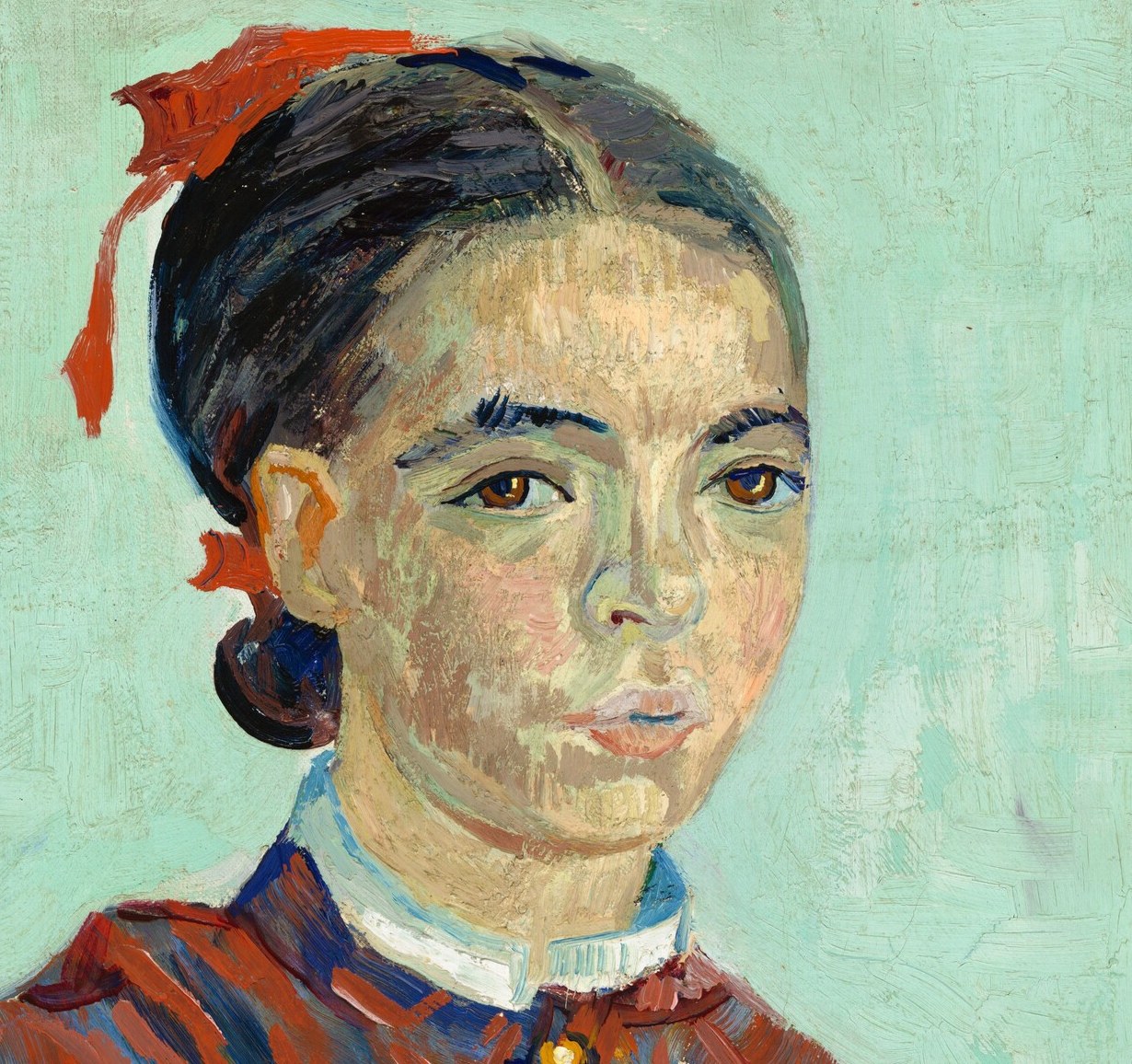
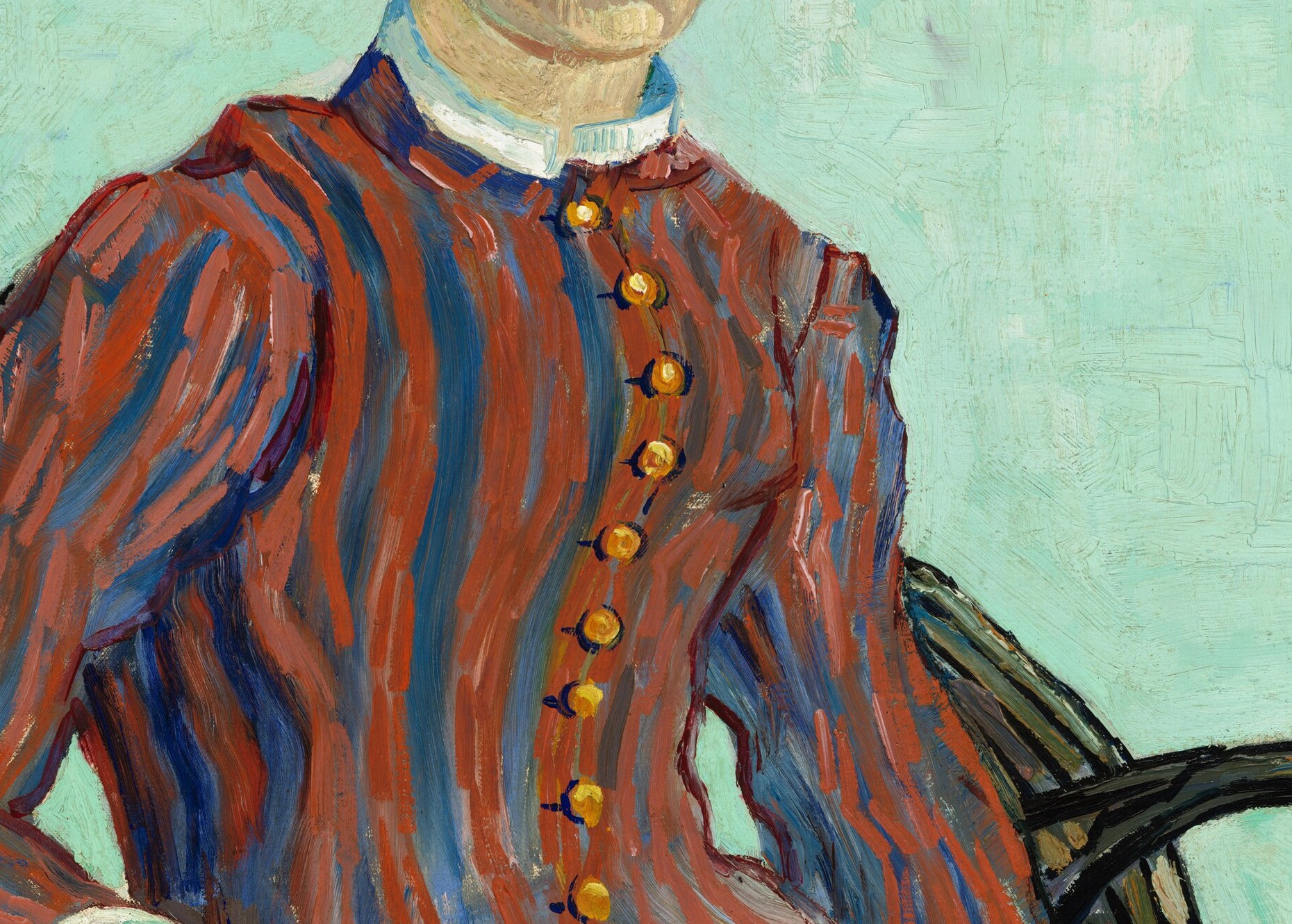
Vincent van Gogh painted La Mousmé in 1888 in Arles, the town he called 'the Japan of the South.' The title is a transliteration of a Japanese word he borrowed from Pierre Loti's popular novel Madame Chrysanthème, it simply means a young woman or girl. The model was a local Provençale wearing regional festival dress, but van Gogh deliberately styled the composition to fuse East and West.
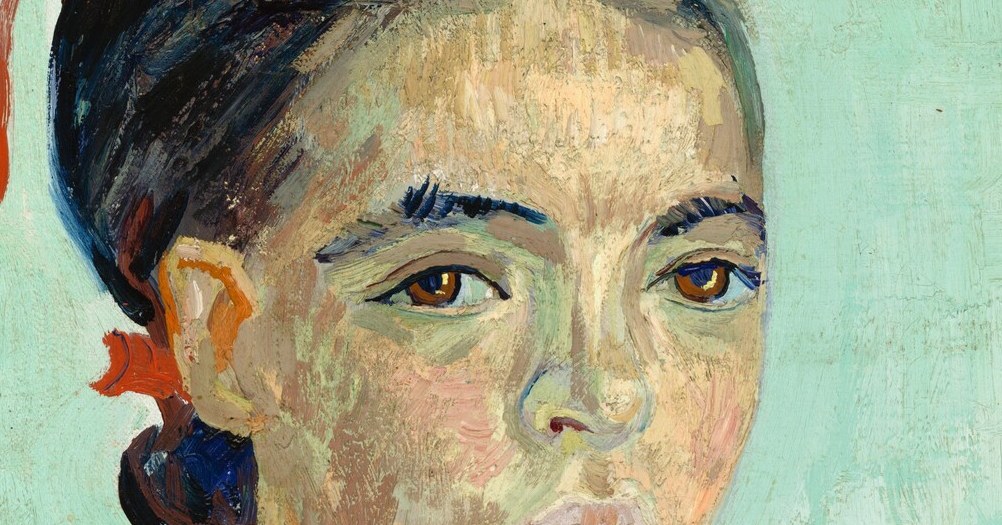
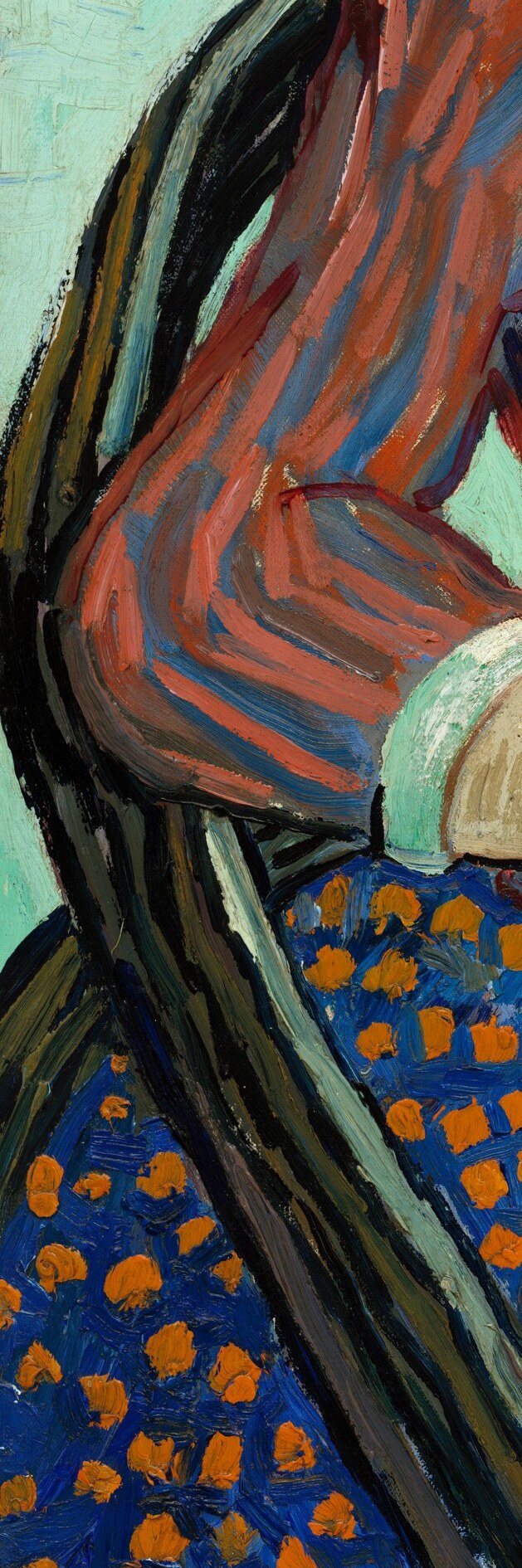
Look at her eyes first: the stare is direct, unblinking, with none of the soft averted gaze common in European portraits of girls her age. van Gogh took that flat, unapologetic confrontation straight from Japanese woodblock prints. Then notice the bamboo chair, a Japonisme prop that also appears in his portrait of Gauguin, and the teal background, built from short directional strokes that vibrate like a printmaker's flat colour field.
The oleander in her lap adds a quiet undercurrent. Oleander is highly poisonous and van Gogh painted it repeatedly during his Arles period. Whether he intended it as a symbol of fragile beauty, a southern botanical fact, or something darker remains an open debate. The painting belongs to the National Gallery of Art in Washington, D.C., a gift from the collection of Chester Dale.
She is a village girl cast as a cross-cultural ideal: part observed, part imagined, entirely van Gogh.
Details
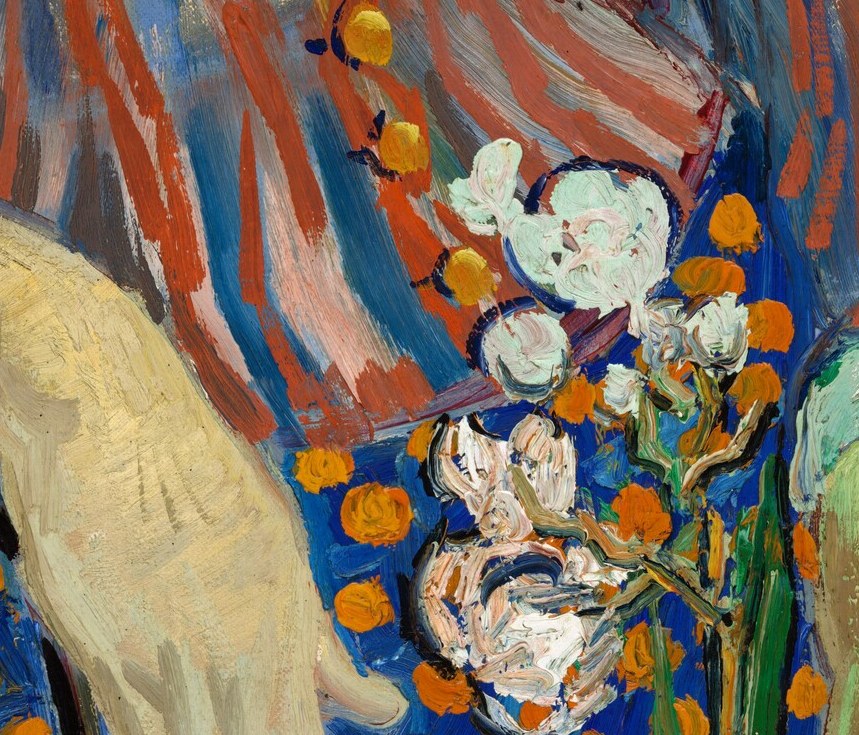
Transcript
She is not Japanese. She is a girl from Arles, dressed for a village festival. But van Gogh called this painting 'La Mousmé', the Japanese word for a young woman. He believed Provence was 'the Japan of the South,' and built a portrait language from it. The chair is bamboo. The background, a flat teal void, no shadow, no wall. Her stare is unbroken, exactly like a Japanese woodblock print. And the oleander she holds in her lap? It is lethally toxic. He painted it often.