Roundel with Virgin and Child and a Carmelite Donatrix by http://www.wikidata.org/.well-known/genid/9deaad159cb513a41c33ca2a52c01bca
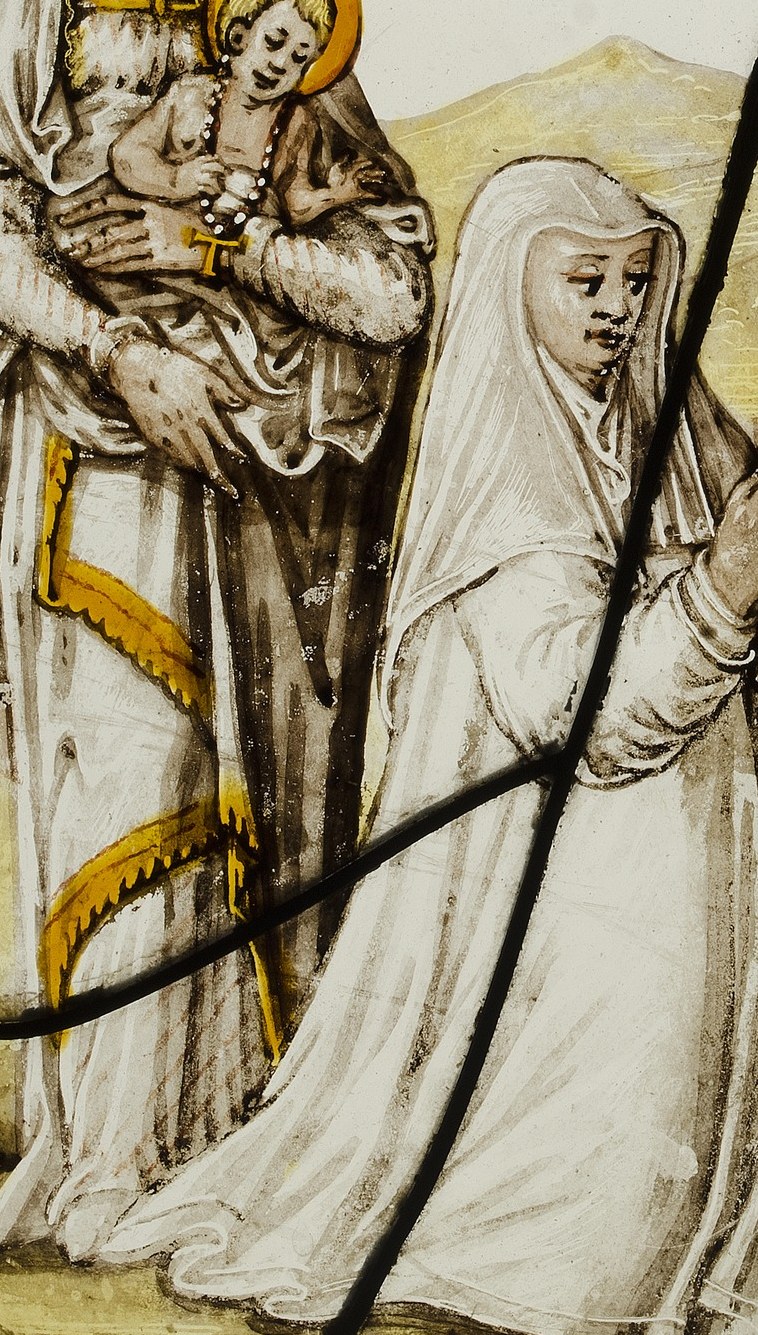
This is a 500-year-old receipt. It’s called 'Roundel with Virgin and Child and a Carmelite Donatrix', painted by an unknown South Netherlandish artist around 1535, and it hangs in The Metropolitan Museum of Art. But it is not just a devotional image. It is a legal document in paint, recording a transaction between earth and heaven for all to see.
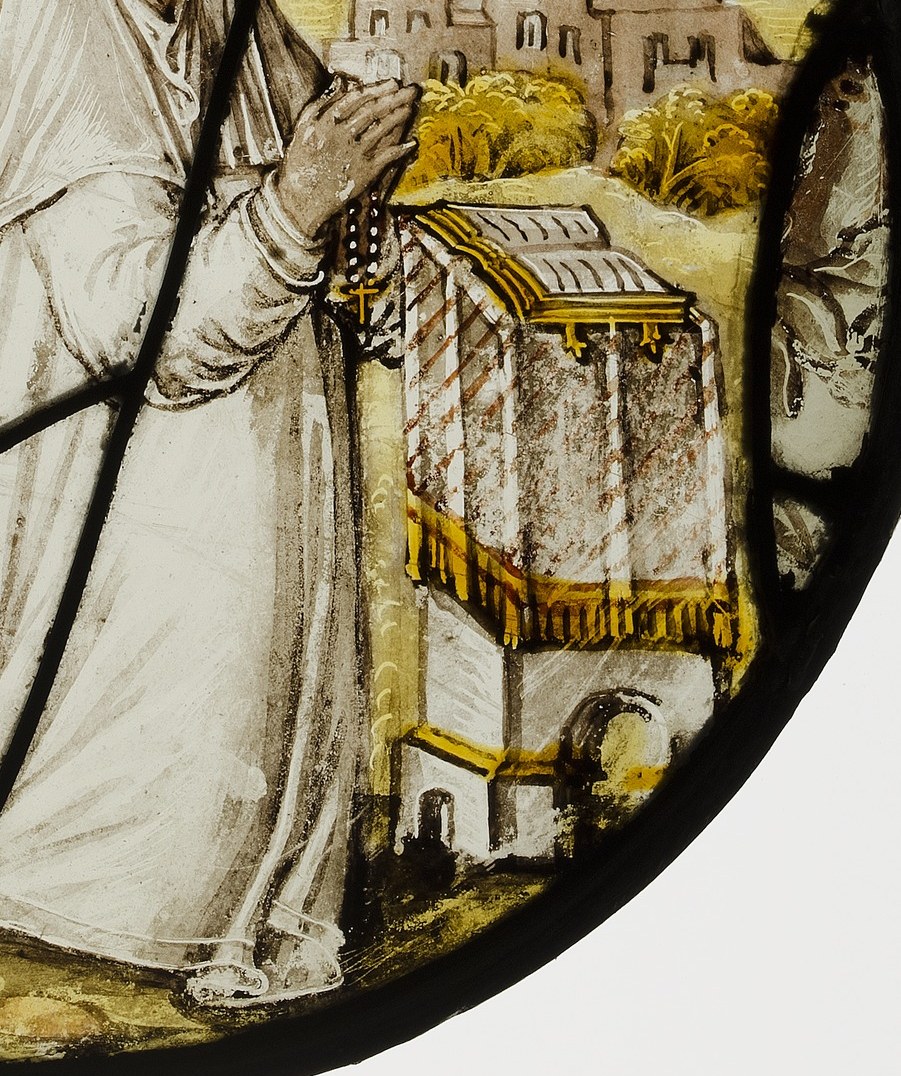
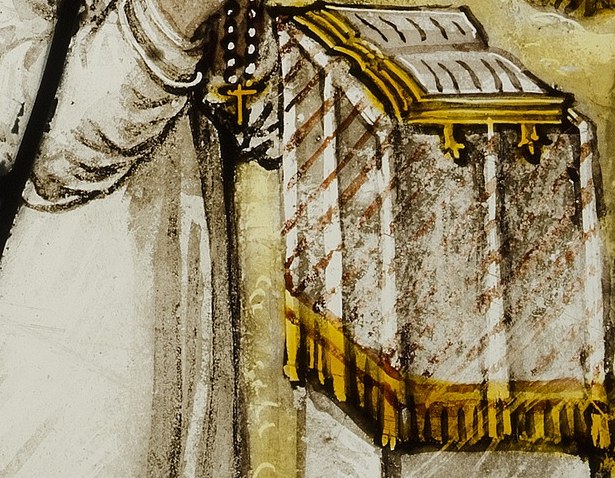
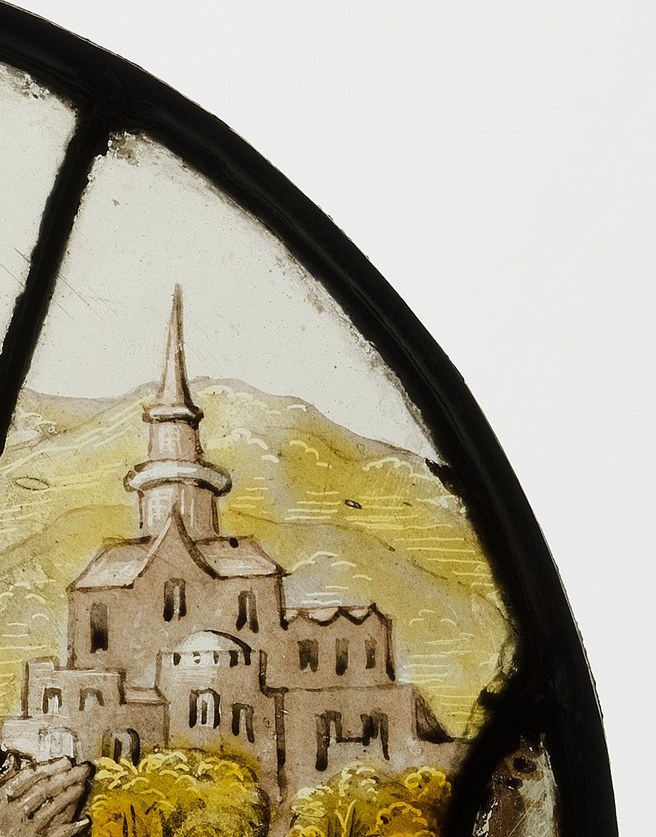
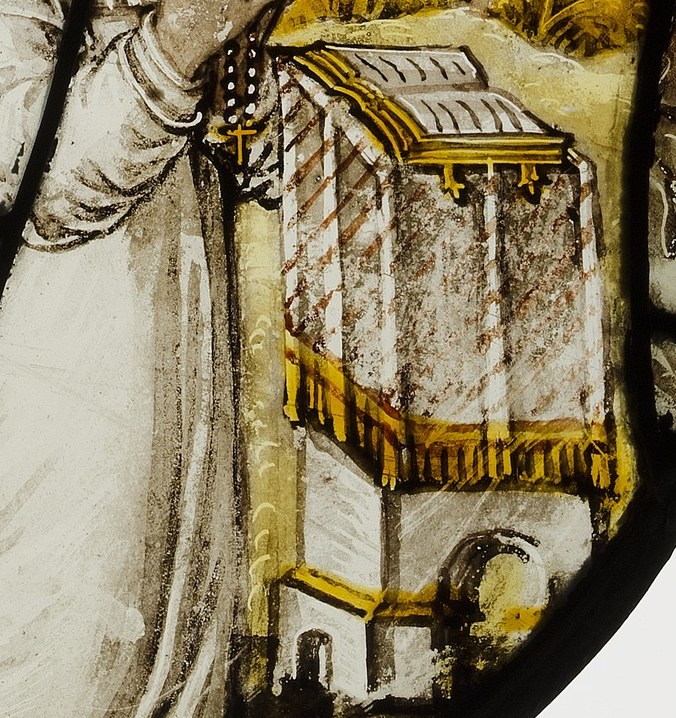
The proof is the church. The kneeling donor, a wealthy woman in white and gold, holds a miniature Gothic church in her hands. Look at the background, behind the figures: the exact same building sits completed in the landscape. She built a real church with her money, and she paid the painter to record the gift. The painting is her receipt.
A central figure does the spiritual bookkeeping. The standing woman in the dark robe and white veil is a Carmelite nun. Only she makes eye contact with the Virgin. Contemporaries understood her role immediately: the nun is an intercessor, a holy bridge vouching for the donor at the heavenly court.
Three figures, two buildings, one message. The Virgin accepts the Child, the nun sanctifies the gift, and the patron secures her prayers. The painting itself was likely a small roundel, set into a wall to vouch for the donor forever. If no one remembers your name, what would you build to make your case for heaven?
Details
Transcript
First, the transaction. She kneels, offering a tiny church. The model she holds is not imaginary. Look behind her. The same church stands finished in the background. This is a receipt. She paid for that real building. A Carmelite nun stands between the donor and the Virgin. The white veil meant she was a living link to the divine. The code is simple. A donor builds a church. A nun vouches for her. The Virgin grants salvation.