Commodore John Rodgers by Jarvis, John Wesley
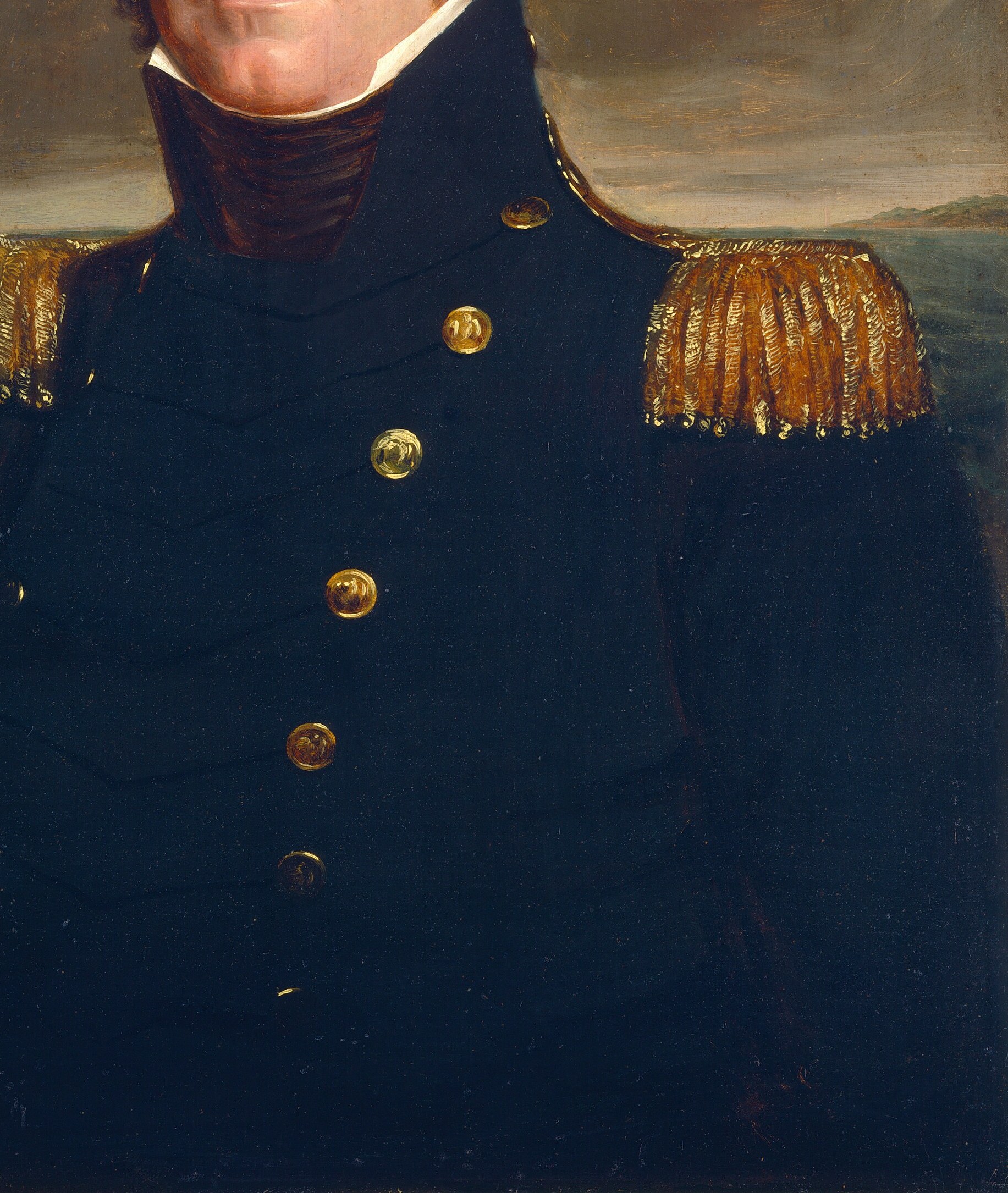
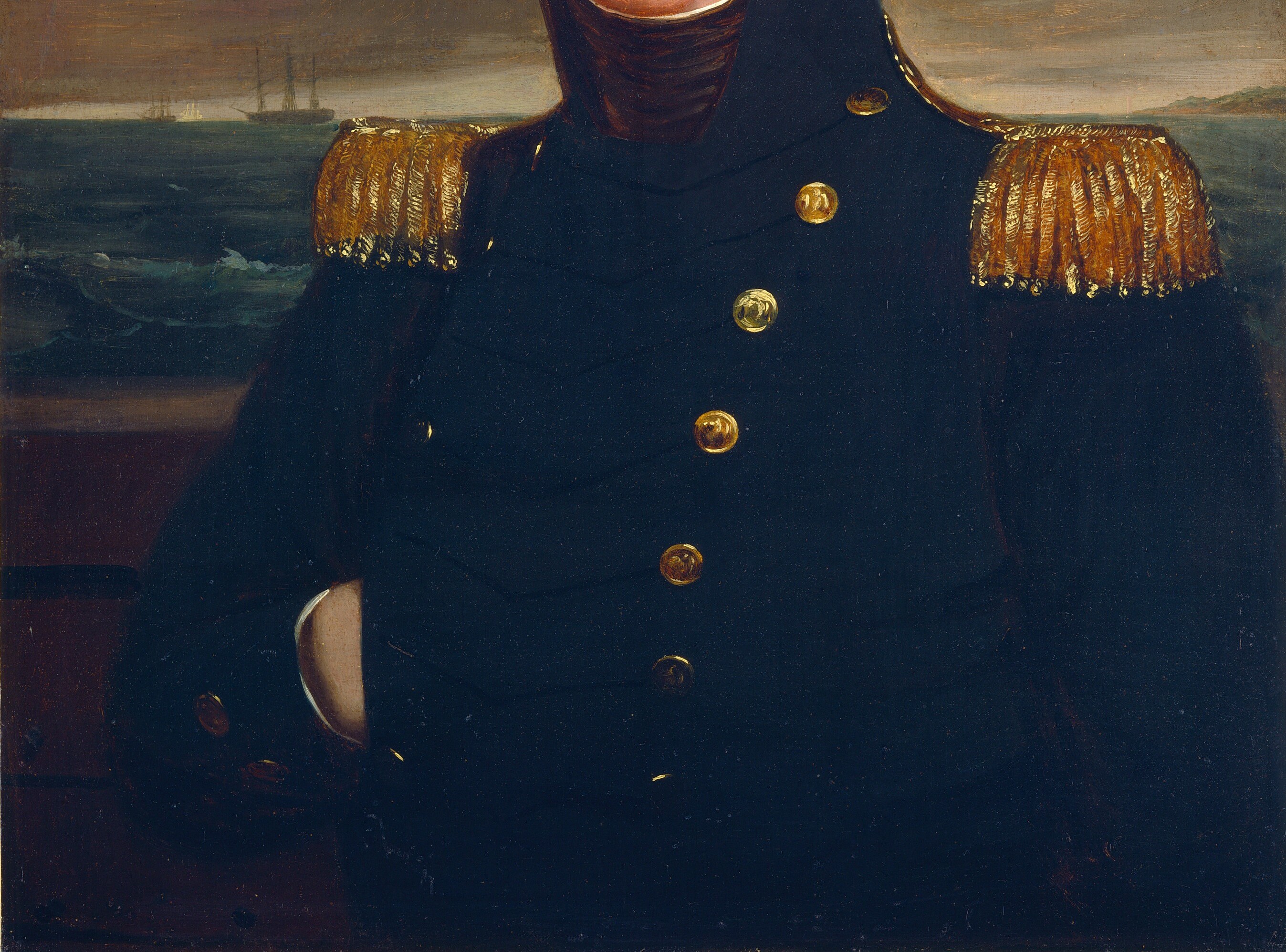
John Wesley Jarvis’s portrait, "Commodore John Rodgers," c. 1814, at the [Museum Name], captures a key figure in early American naval history. The artist uses specific visual cues to emphasize Rodgers's status and career.
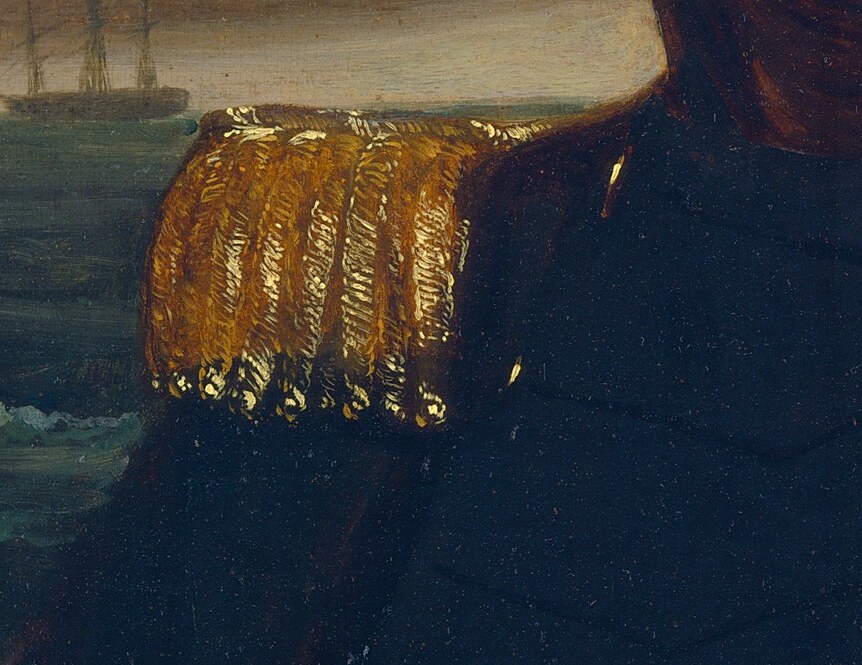
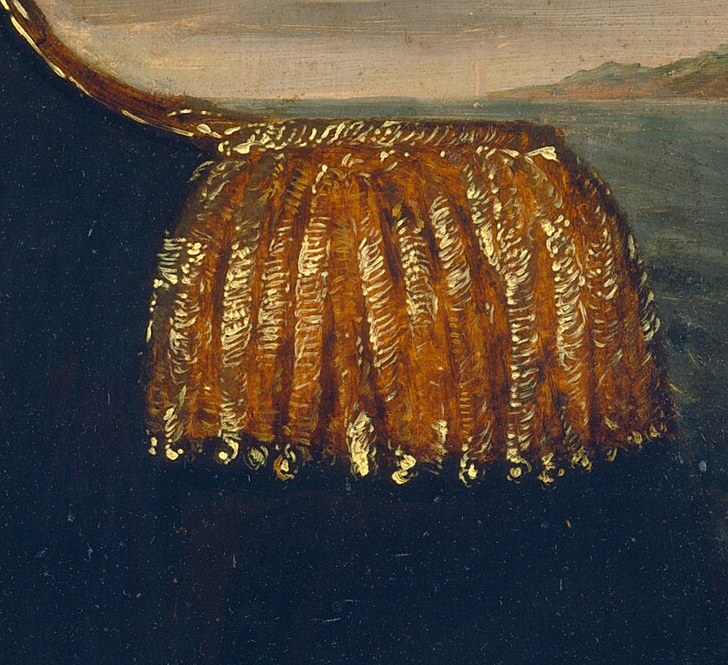
Look closely at his dark blue uniform, richly detailed with gold buttons and epaulets. These elements are not just decorative; they are clear indicators of his high military rank and the significant role he played during the War of 1812. The subdued maritime background, with its faint sailing ships, further anchors him in his world of naval command.
This painting was likely commissioned to honor Rodgers's achievements during a critical period for the young United States navy. It serves as a visual record of leadership and national ambition. What do you notice first about his expression?
Details
Transcript
This is Commodore John Rodgers, a naval hero of 1812. His dark uniform, rich with gold, signals his high rank. The gold epaulets on his shoulders are insignia of authority. He became Commodore during the War of 1812. The muted sea and sky place him in his maritime world. Distant ships hint at his command over vast naval operations. His direct gaze conveys his command and confidence.