Yankee Point, Monterey by Howard Russell Butler
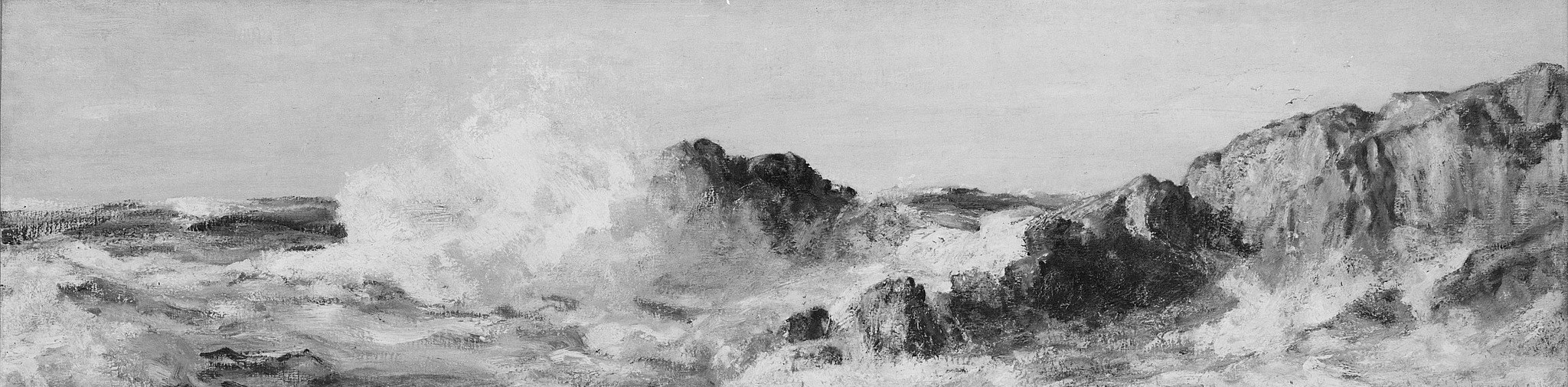
Howard Russell Butler, known for his diverse career in architecture, astronomy, and painting, captured the raw power of the ocean in his 1921 oil painting, *Yankee Point, Monterey*. This work, part of The Metropolitan Museum of Art collection, exemplifies American Impressionism through its dynamic coastal scene.
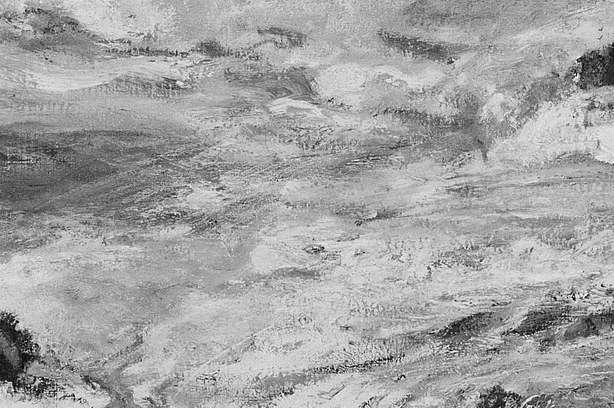
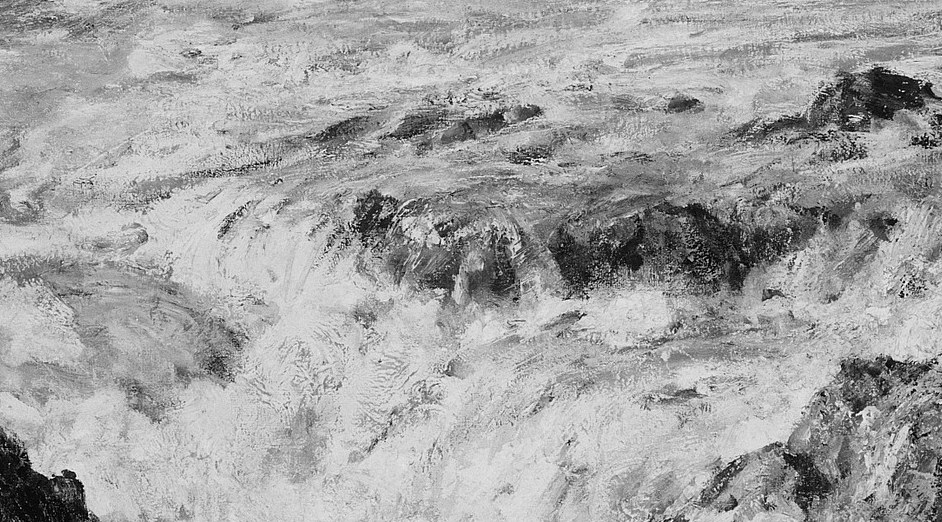
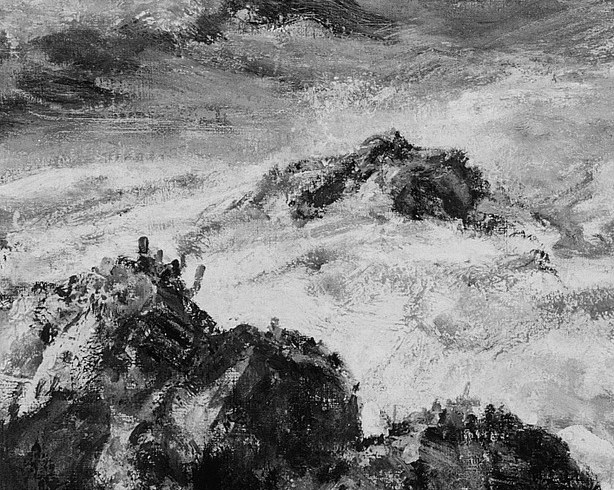
Notice how Butler uses thick, textured brushstrokes, particularly in the crashing waves and rugged rocks, to create an almost three-dimensional quality. This impasto technique emphasizes the tumultuous energy of the sea meeting the unyielding shore. The distant rocky island also offers a subtle hint of human presence within this wild landscape.
Before dedicating himself to painting marine art, Butler had a fascinating career. He persuaded Andrew Carnegie to fund Carnegie Lake, supervised the construction of the Carnegie Mansion, and even designed an astronomy hall. He went on to paint a solar eclipse for the U.S. Naval Observatory, yet he continuously returned to the dramatic beauty of the ocean as a primary subject.
Butler's unique background brings a distinct precision and grandeur to his marine landscapes. What aspect of this painting captures your attention the most?
Details
Transcript
This painter was known for capturing the wild power of the ocean. Here, crashing waves meet a rugged, unyielding coastline. His thick brushstrokes capture the water's raw, untamed energy. Look closely at the distant rocky island, a hint of human presence. Before painting, he was an architect and helped fund Carnegie Lake. He even designed an astronomy hall, then painted a solar eclipse. Yet he always returned to the untamed beauty of the sea.