Still Life with a Vase of Flowers and a Dead Frog by Jacob Marrel
This isn't just a beautiful still life, it's a window into one of history's most fascinating financial bubbles. Jacob Marrel's "Still Life with a Vase of Flowers and a Dead Frog," painted in 1634, captures the opulence and underlying anxiety of the Dutch Golden Age, now housed at the Rijksmuseum.
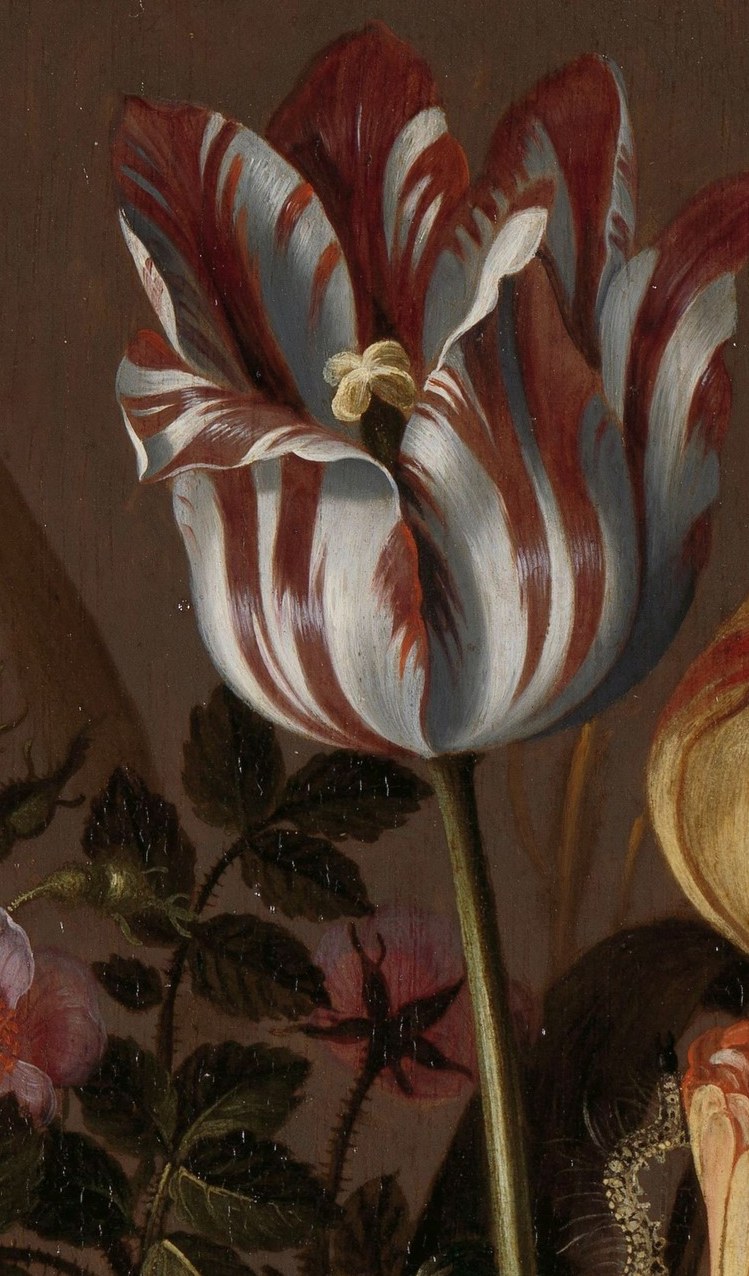
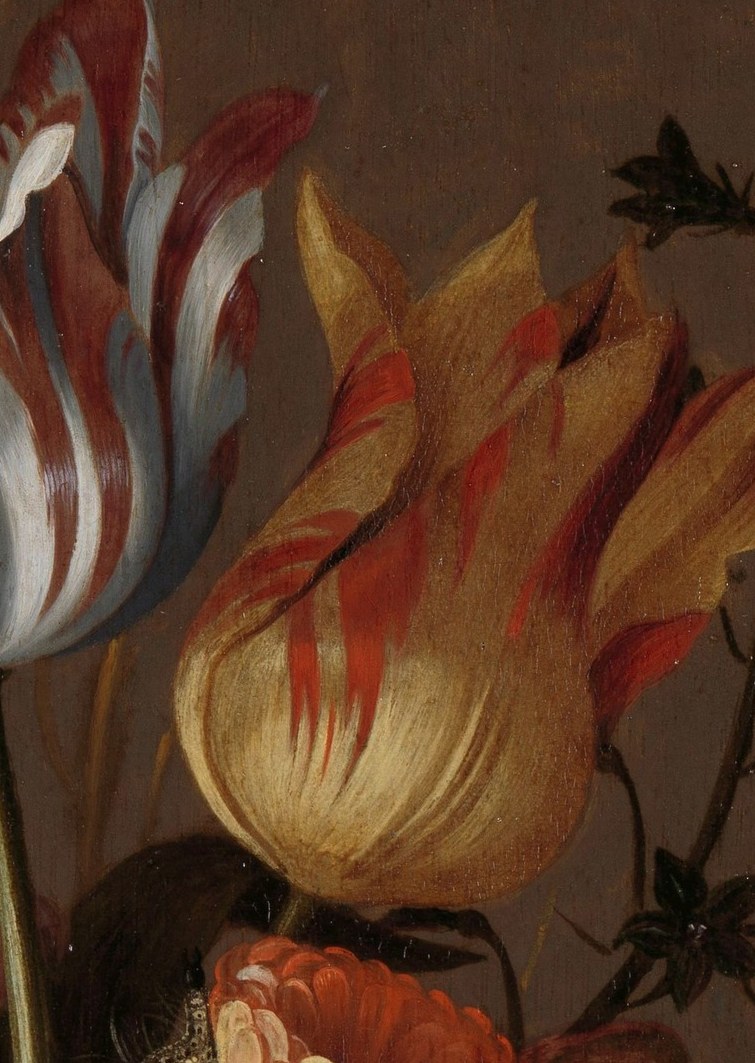
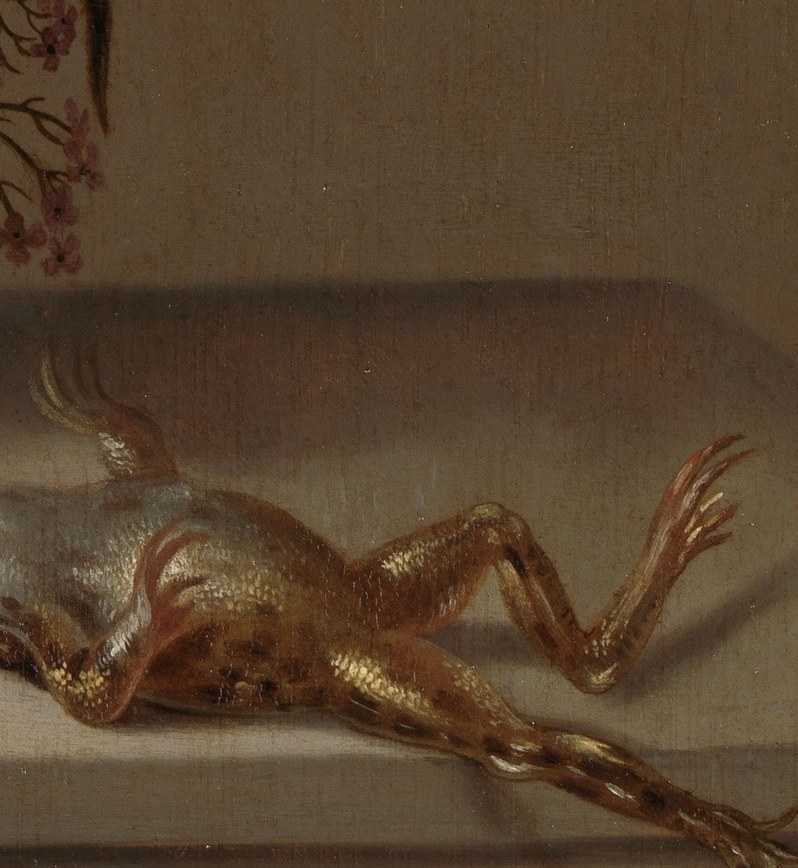
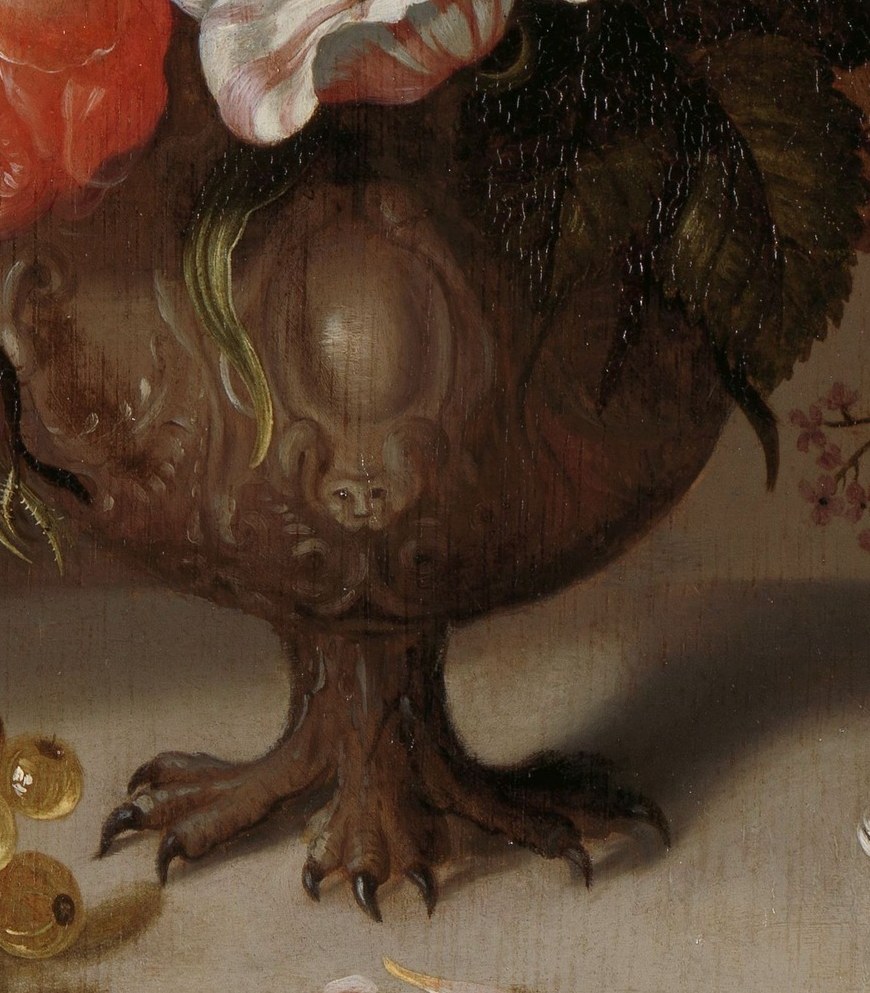
Look closely at the vibrant tulips in the bouquet. In 1634, the Netherlands was in the grips of 'Tulip Mania,' where single tulip bulbs could trade for more than entire houses. Marrel carefully places these symbols of immense, but volatile, wealth alongside elements of decay: a dead frog and browning grapes.
This juxtaposition served as a memento mori, a stark reminder that even the greatest fortunes are as fleeting as the life of a flower. It subtly warns against materialism and the impermanence of earthly possessions, a common theme in Dutch art of the period.
What do you think was the most valuable flower in this painting?
Details
Transcript
This isn't just a still life, it's a financial statement. In 1634, the year this was painted, tulips were currency. Tulip bulbs traded for more than houses in what became 'Tulip Mania'. This painter shows them alongside a dead frog and decaying grapes. This was a memento mori, a reminder of life's fleeting nature. Even a fortune can vanish as quickly as a flower blooms.