Ingena Rotterdam (died 1704), Betrothed of Admiral Jacob Binkes by Nicolaes Maes
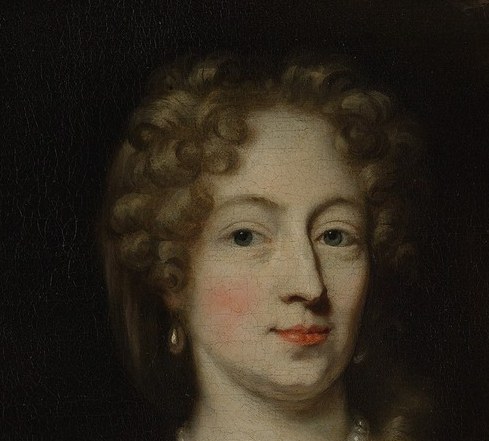
This striking portrait, *Ingena Rotterdam* by Nicolaes Maes, painted in 1676, captures the betrothed of Admiral Jacob Binkes during the Dutch Golden Age. It is housed at the Rijksmuseum.
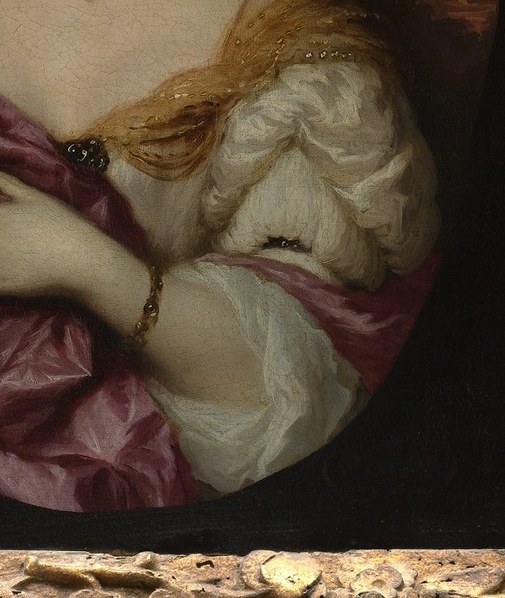
Observe Ingena Rotterdam's elegant pose, her direct gaze, and the opulent details of her attire, from the lustrous pearl necklace to her meticulously styled hair. The intricate gold brooch and the rich purple sash all signify her wealth and social standing, hallmarks of Maes's skill as a portraitist.
Nicolaes Maes, originally a pupil of Rembrandt, became one of Amsterdam's most sought-after portrait painters. This work reflects the prosperity of the Netherlands in the late 17th century, where art patronage flourished among the elite. The portrait not only captures a likeness but also serves as a visual declaration of her impending marriage.
Yet, a fascinating detail often overlooked is the small sculptural figure atop the ornate frame. It depicts Fortuna, the goddess of fortune, with her sails catching the wind. Her presence subtly alludes to the uncertainties and aspirations surrounding the sitter's future, especially her marriage to a naval officer whose fate would have been tied to the seas. What do you think this detail adds to her story?
Details
Transcript
This is a Dutch Golden Age portrait from 1676. It shows Ingena Rotterdam, betrothed to a naval admiral. Notice her luxurious pearl necklace and rich purple sash. The painter, Nicolaes Maes, trained with Rembrandt. Her elaborate gilded frame complements her high status. But look closely at the very top of the frame. It's the goddess Fortuna, with her sails to catch the wind.