La Grotte de la Loue by Courbet, Gustave
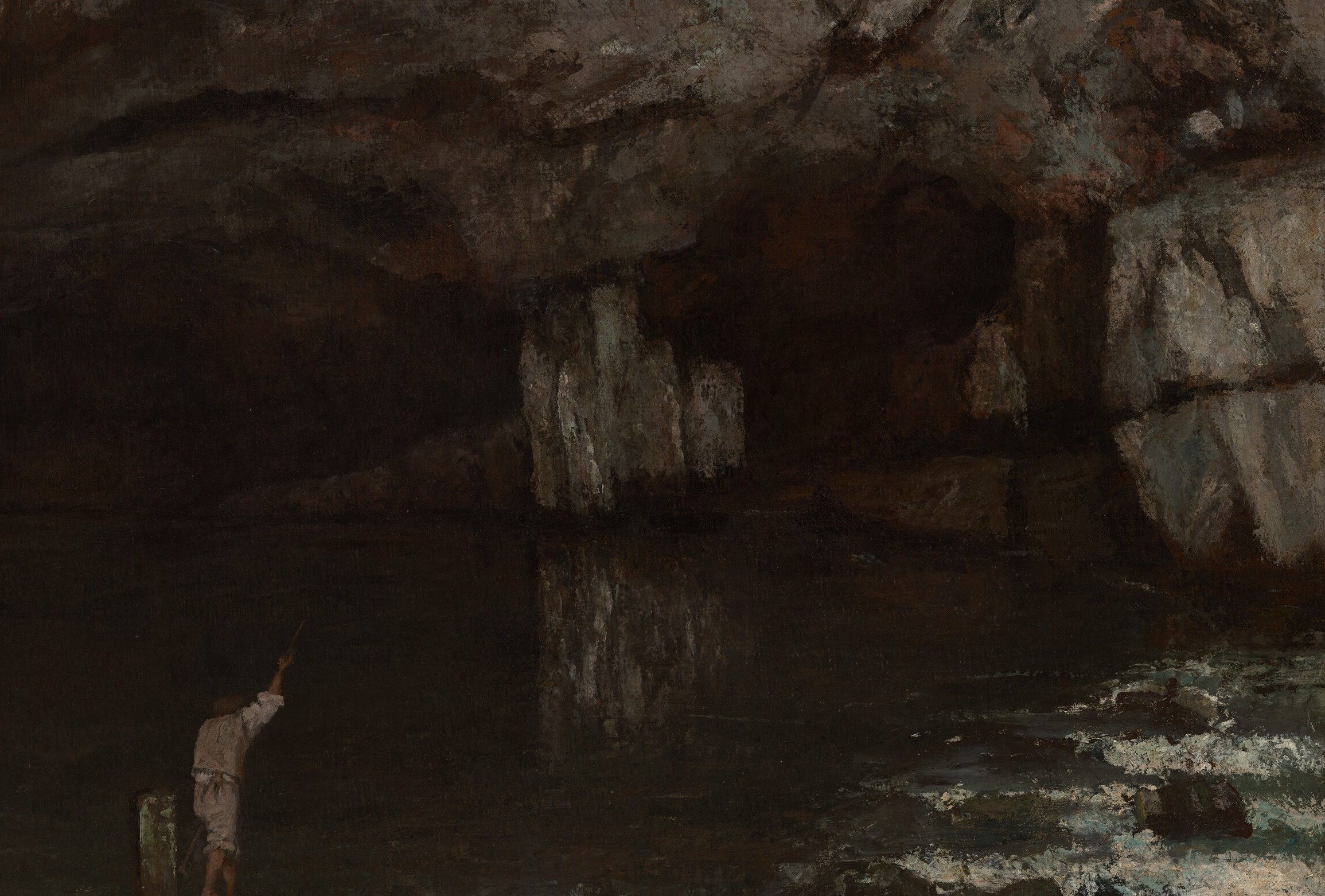
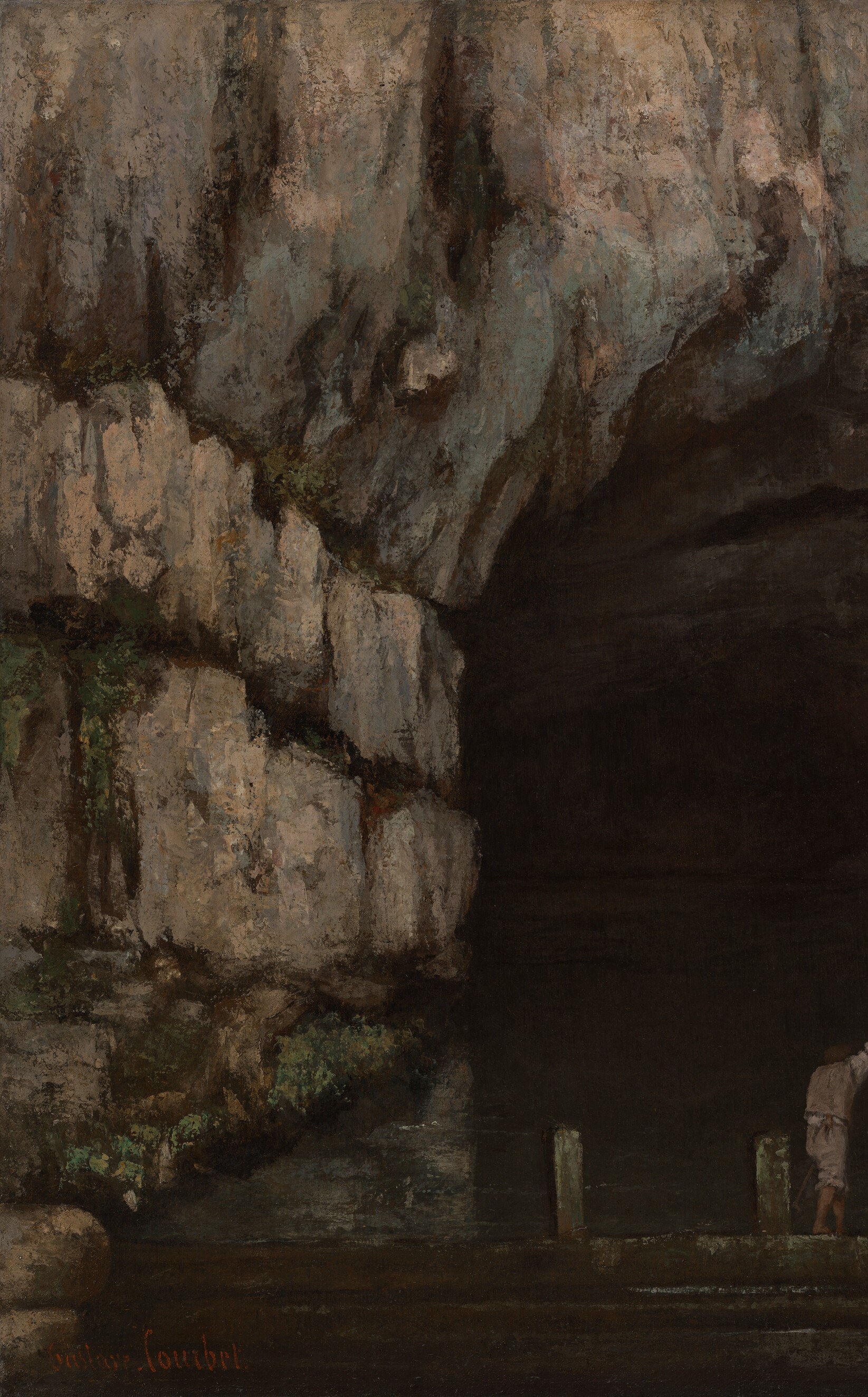
Gustave Courbet's *La Grotte de la Loue*, painted in 1864, is a prime example of his commitment to Realism. This oil on canvas, housed in a museum, depicts a specific natural site, the grotto of the Loue River, chosen for its tangible reality rather than idealized or romanticized themes.
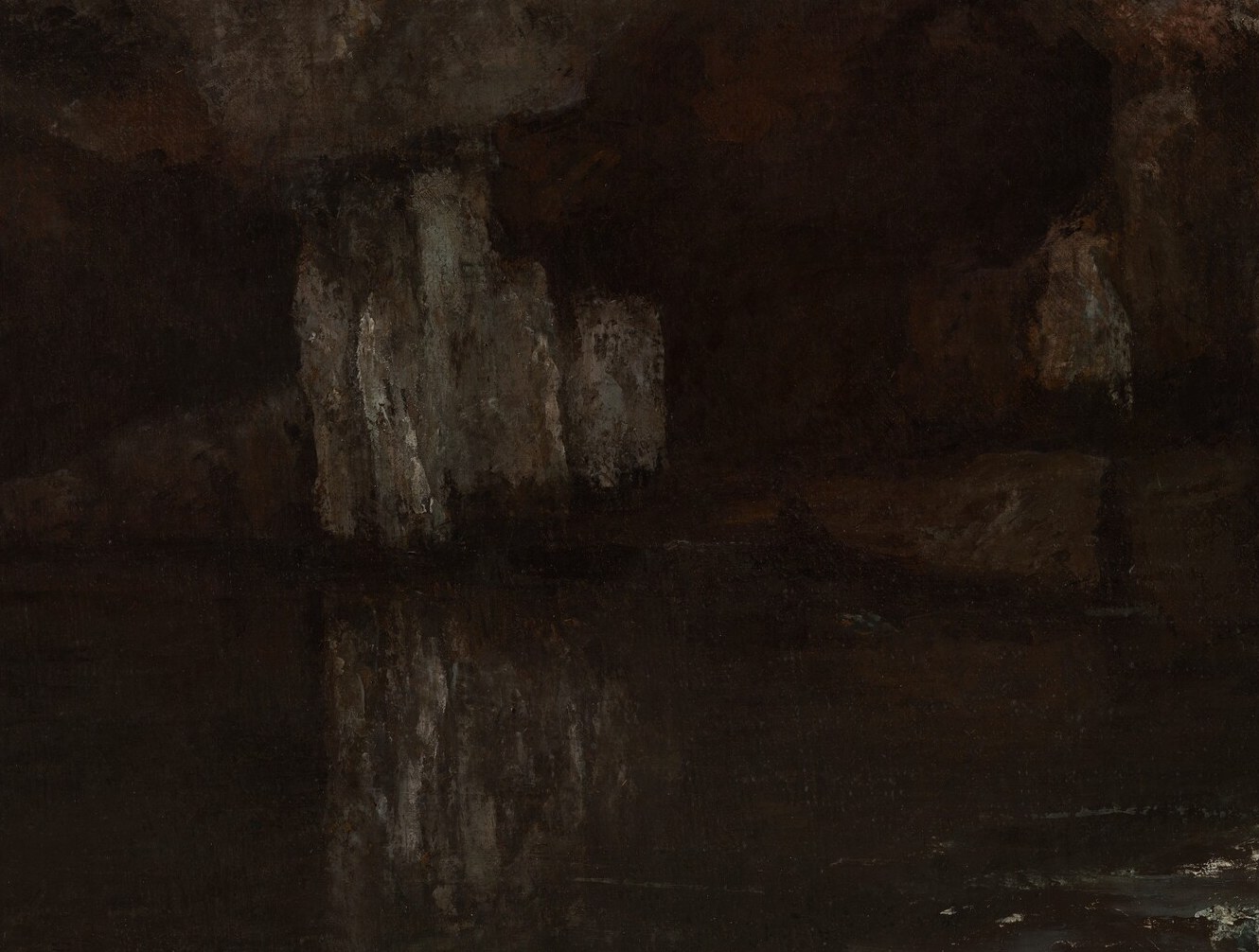
Look closely at the dramatic interplay of light and shadow within the cave's depths, and the solitary figure observing the powerful rock formations. These details underscore Courbet's dedication to portraying the observable world without embellishment.
As a leading figure in 19th-century French art, Courbet challenged prevailing academic traditions by focusing on unembellished scenes observed directly from life. His innovative approach to art, characterized by his rejection of academic conventions and his insistence on depicting observable reality, significantly impacted subsequent artistic developments, laying groundwork for Impressionism and Cubism.
Courbet's independence set an example that was important to later artists. What do you find most striking about his approach to depicting nature?
Details
Transcript
This painter rejected academic art for raw nature. He found beauty in real places, like this grotto. His name was Gustave Courbet, a French Realist. Here, a lone figure observes the powerful rock formations. Notice the dramatic light and shadow in the cave's depths. Courbet made art from visible, unembellished reality.