William Rogers by Trumbull, John
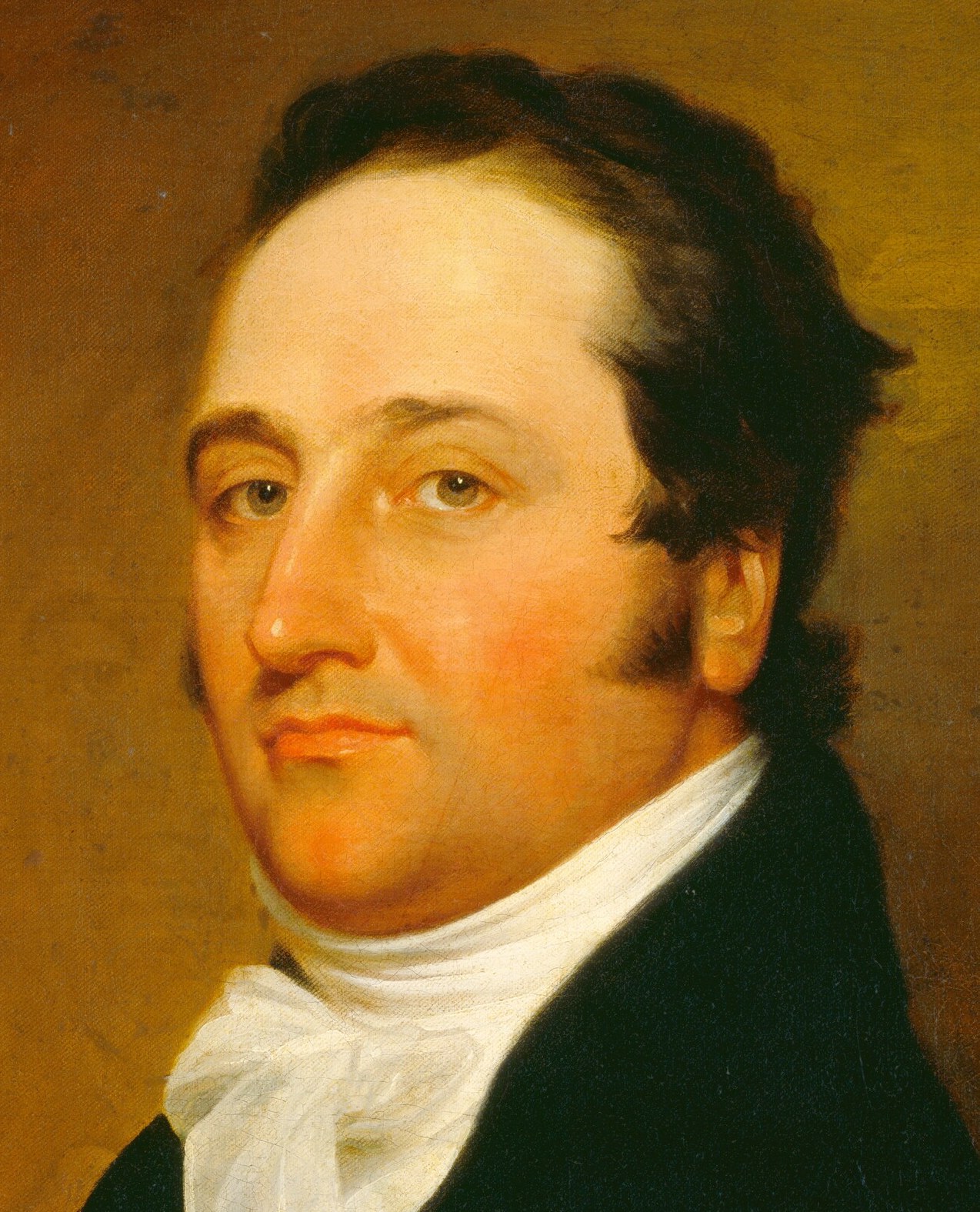
John Trumbull, most famous for his grand depictions of the American Revolution, also painted more intimate portraits like "William Rogers" in 1806. This oil on canvas, housed in a public institution, captures the composed demeanor of an early 19th-century American gentleman.
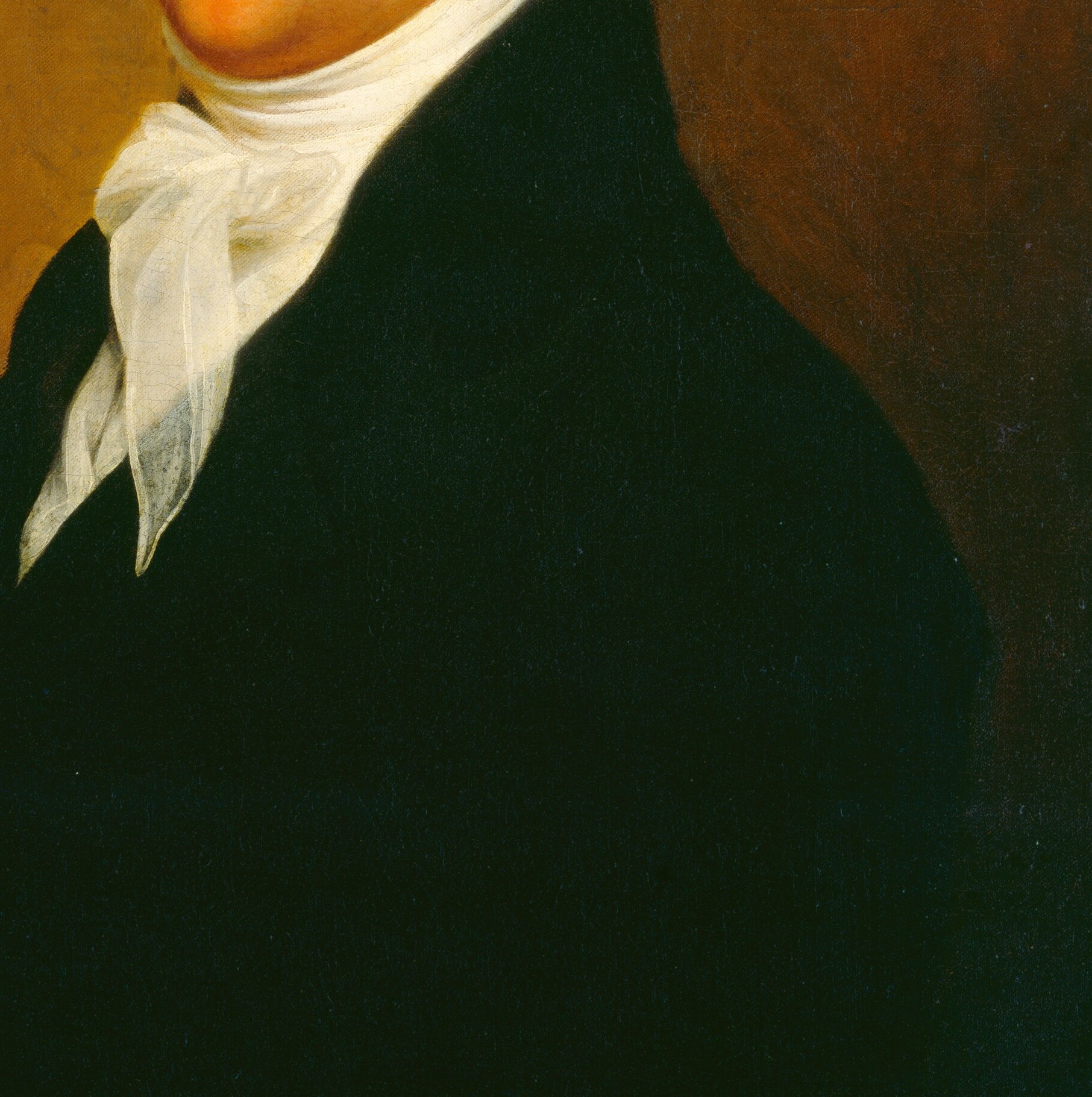
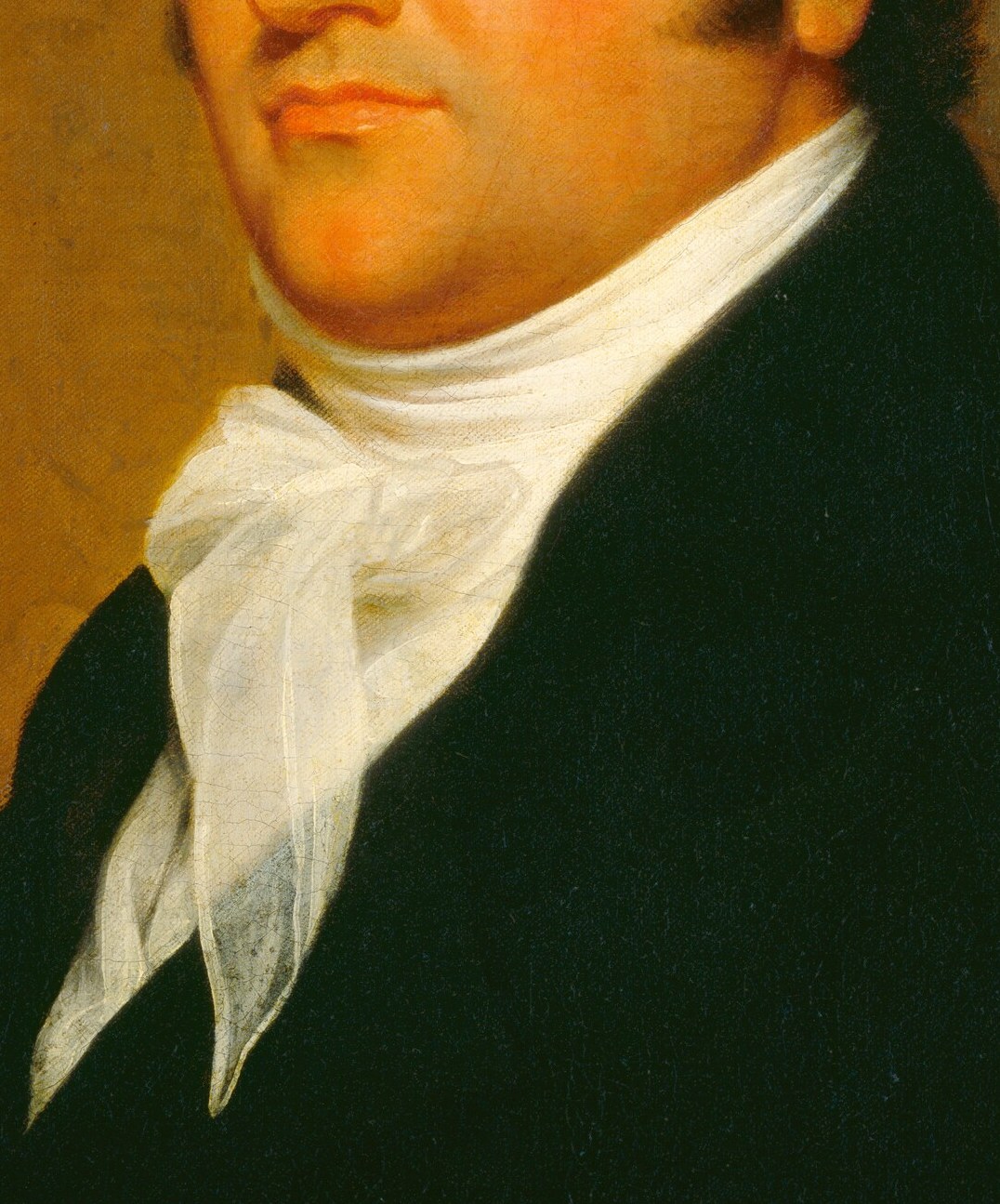
Look closely at Rogers' face and his left hand resting on his chest. Trumbull's subtle chiaroscuro emphasizes his features against the warm brown background, giving him a quiet yet compelling presence. The brushwork is smooth and controlled, characteristic of early American portraiture.
While Trumbull is widely known for monumental historical canvases, this portrait reflects his work on private commissions during a transitional period in his career. It showcases his adaptation to the demand for personal likenesses among America's emerging leadership, focusing on character over ornamentation.
These portraits offer a glimpse into the individual faces that shaped a new nation, far from the battlefields. What do you see in his gaze?
Details
Transcript
This man was painted by an artist of American history. He is William Rogers, a man of quiet confidence. His left hand suggests self-possession and integrity. The artist usually painted Revolutionary War battles. But his portraits, like this one, tell a different story. They show the individual faces of a new nation.