A la Bastille (Jeanne Wenz) by Toulouse-Lautrec, Henri de
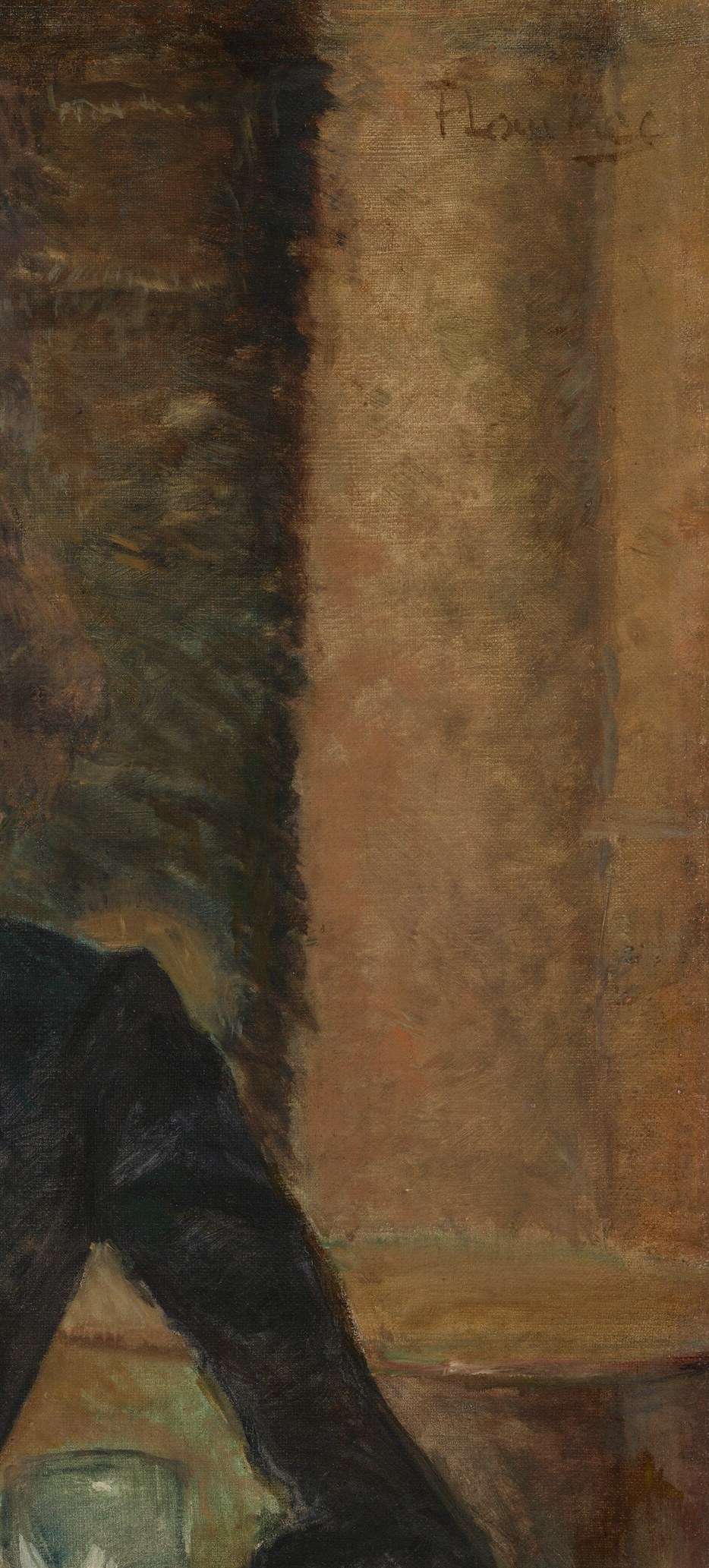
Henri de Toulouse-Lautrec’s 1888 painting, *A la Bastille (Jeanne Wenz)*, captures an intimate moment within the bustling Parisian nightlife. This oil on canvas, housed in a private collection, offers a window into the artist's world.
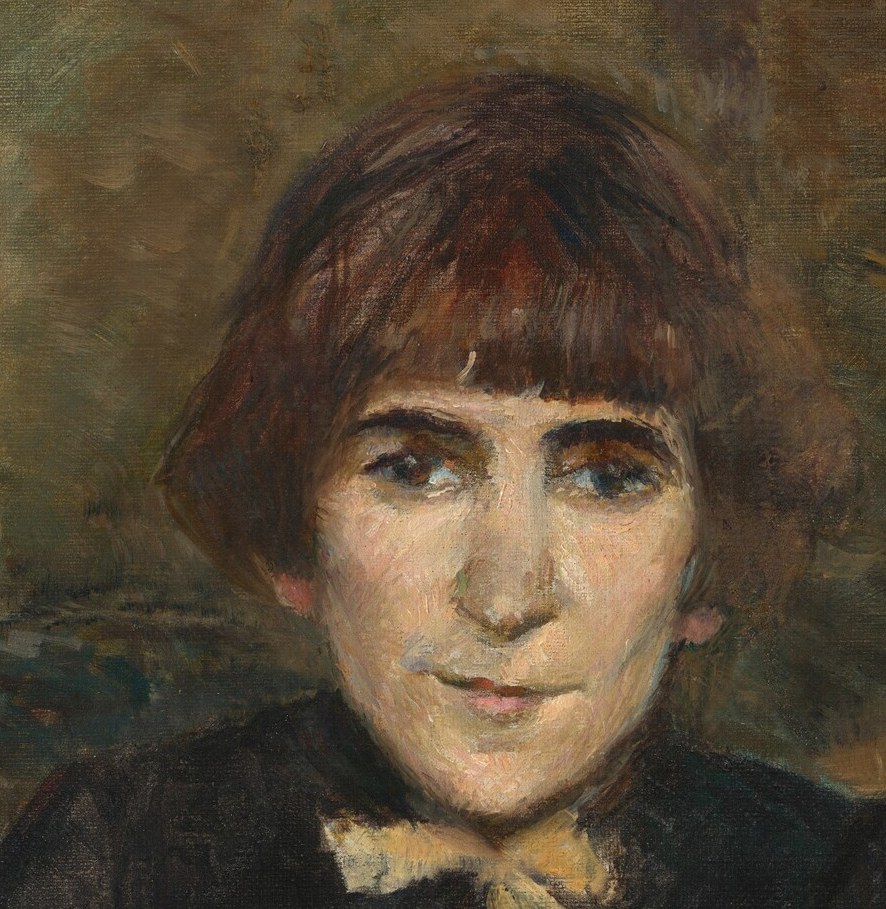
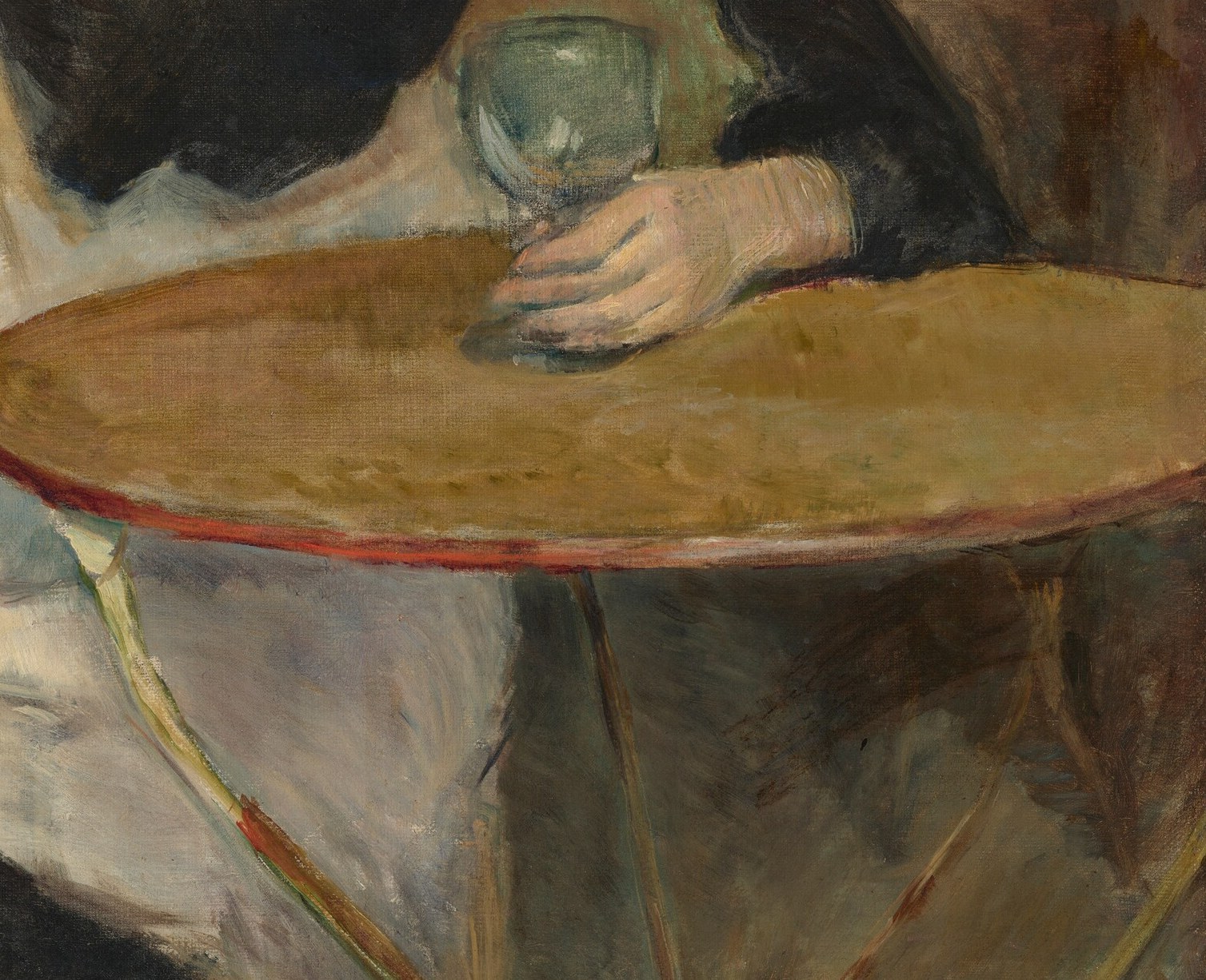
The painting centers on Jeanne Wenz, seated at a cafe table, a wine glass before her. Her direct gaze, while outwardly directed, carries a sense of introspection, drawing the viewer into a subtle, personal connection.
Toulouse-Lautrec, born into aristocracy in 1864, found his place not in high society but among the vibrant, often unconventional, theatrical and bohemian life of late 19th-century Paris. Adolescent leg injuries left him with a stunted stature, shaping his perspective and leading him to portray the authentic reality of his subjects with an unidealized approach.
His work, a cornerstone of Post-Impressionism, sought to convey character and atmosphere rather than conventional beauty. What stories do you imagine Jeanne Wenz held in her quiet gaze?
Details
Transcript
Henri de Toulouse-Lautrec painted Paris nightlife, and its people. This is Jeanne Wenz, in a cafe, in 1888. She looks out, but not at us. Not quite. He found community in this vibrant, unconventional world. His leg injuries meant he felt like an outsider in aristocracy. He sought real people, captured with quiet honesty.