The Sick Child by Gabriel Metsu
Gabriël Metsu's "The Sick Child," painted around 1660, is a masterful example of Dutch Golden Age genre painting, held in the Rijksmuseum, Amsterdam. It offers an intimate glimpse into 17th-century domestic life and the universal theme of maternal care.
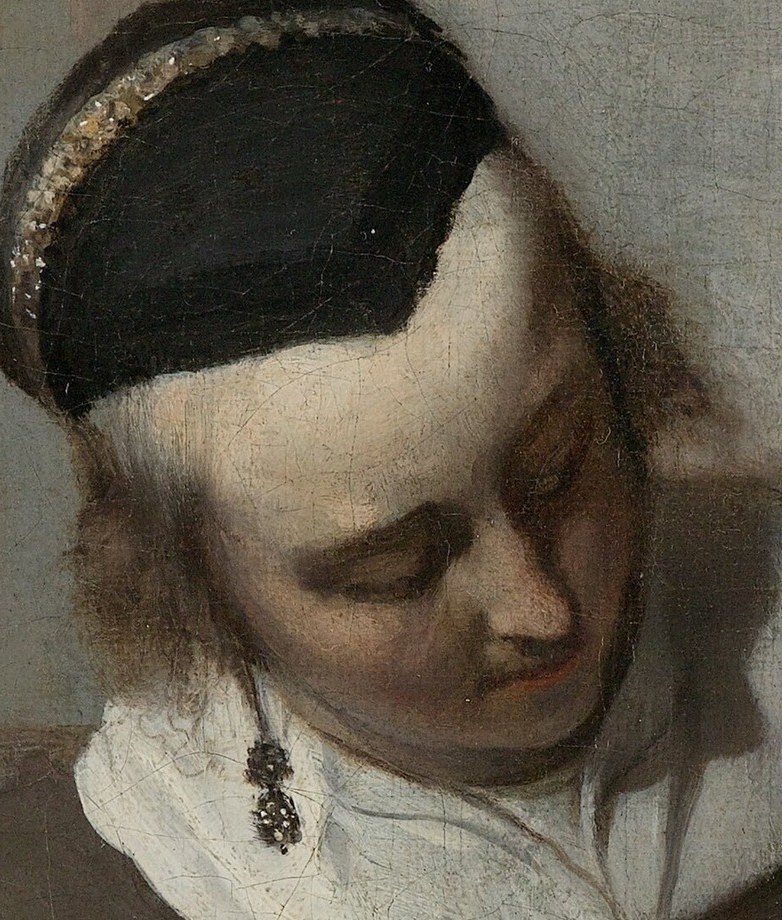
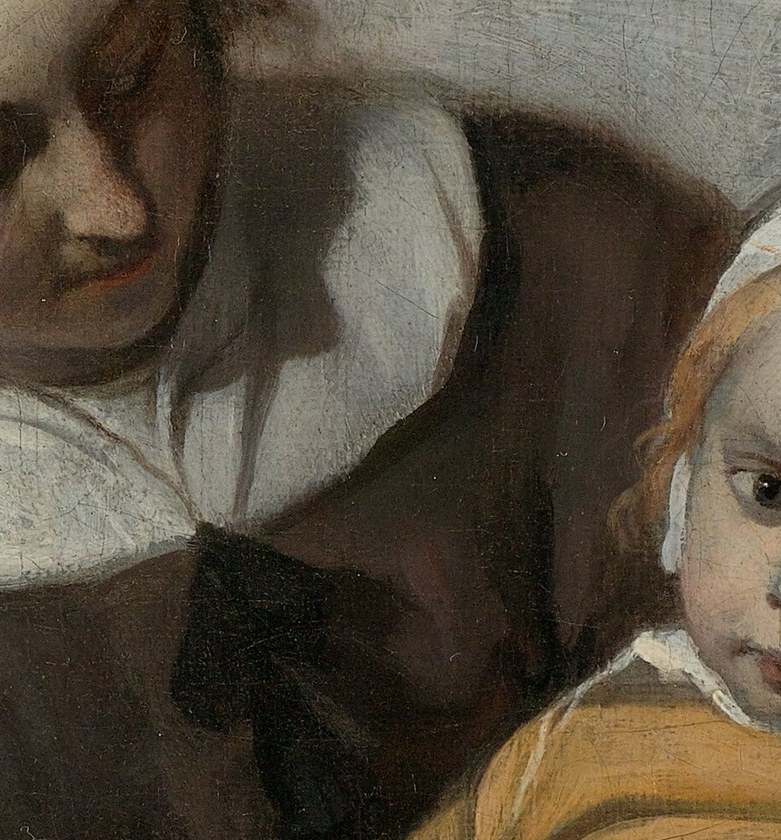
The painting's quiet realism focuses on the mother's concerned face and her gentle hands, which convey a deep tenderness as she tends to her ailing child. Metsu's delicate brushwork is evident in the child's pale face and limp hand, subtly revealing her weakened state. Even the humble earthenware jug on the wooden table hints at the practicalities of care during this period.
Metsu was known as a highly eclectic artist, constantly shifting his style and subject matter, from history paintings to still lifes and portraits. While many of his works are undated, this particular piece is one of the few with an approximate date. It was acquired by the Rijksmuseum in 1928, with the aid of the Vereniging Rembrandt, ensuring its place as a significant work in their collection.
This painting invites us to reflect on the quiet strength of family bonds and the enduring nature of human connection, even in moments of vulnerability. What details do you find most compelling?
Details
Transcript
This quiet scene of a sick child reveals a private moment. The mother's worried face centers this intimate domestic drama. Her hands gently hold the child, a tender gesture of care. This painter was known for his varied, eclectic style. Only 14 of his 133 known works are dated, including this one. He moved between genres, from history paintings to still lifes. His delicate brushwork captures the vulnerability of childhood.