Self-Portrait with a Harp by Rose-Adélaïde Ducreux
View the artwork: Self-Portrait with a Harp →
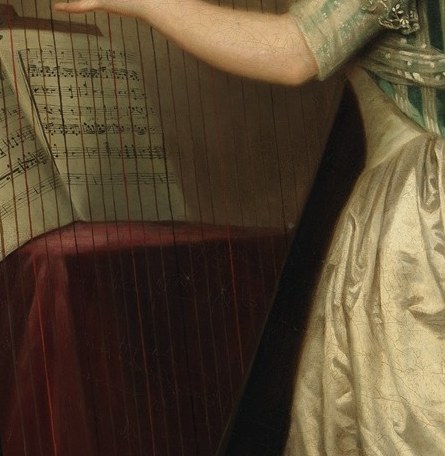
Rose-Adélaïde Ducreux's 'Self-Portrait with a Harp' debuted at the Paris Salon of 1791, the very year the French Revolution was reshaping the world. Painted nearly two meters high, it hangs today at the Metropolitan Museum of Art. The scale alone was a statement: she was not asking politely for a place at the table. She was taking it.
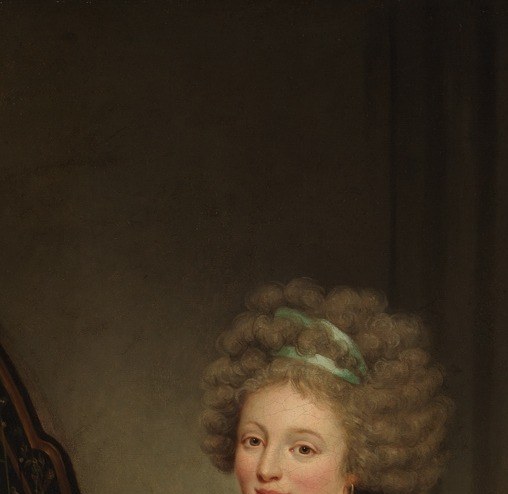
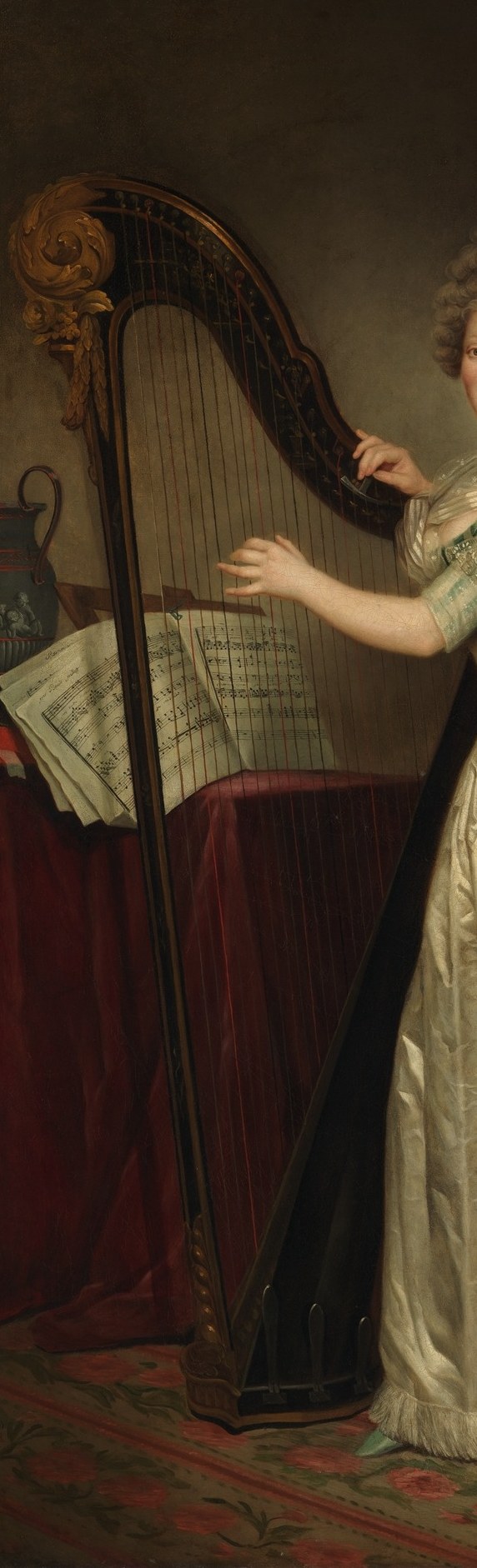
Watch where her fingers land: they rest on the harp strings, not a brush. Ducreux was not just a painter, she was a trained musician and composer. By showing both skills in a single portrait, she presented herself as a fully rounded artist, not a novelty. Her direct gaze, unusual for a woman in a formal portrait at the time, confirms that this was a deliberate act of professional self-definition.
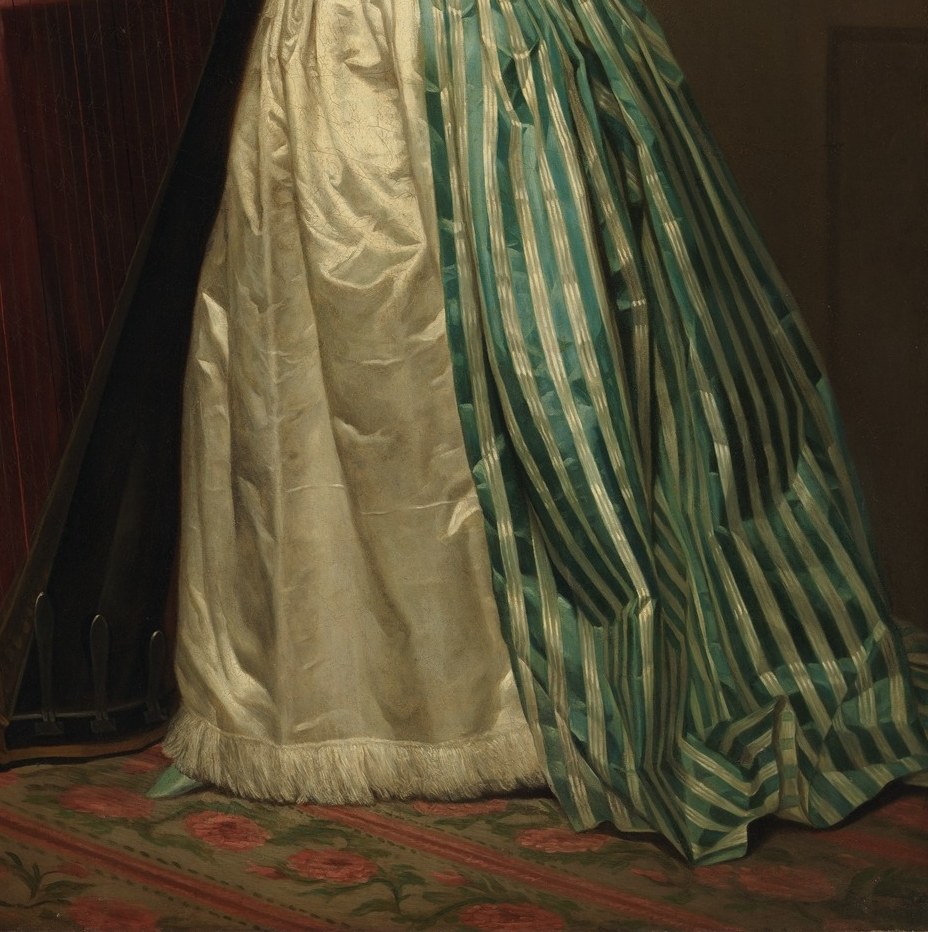
The daughter of portraitist Joseph Ducreux, Rose-Adélaïde trained in his studio but built her own career. She exhibited at the Salon five times during the 1790s, a period when women artists were beginning to claim more public visibility. The elaborate powdered hair and silk gown she wears here were already relics of the ancien régime, soon to vanish.
The historical timing makes the painting resonate even more: an aristocratic art form, executed with supreme skill, by a woman who would die just eleven years later at forty-one. The harp, the fabric, the confidence, it was all real, and it was all fragile.
#arthistory #womenartists #frenchrevolution
Details
Transcript
In 1791, a woman painter faced the Paris Salon. She chose to present herself life-size, with a harp. Her fingers rest on the strings. She was an accomplished musician, too. This double claim of painter and performer was unusual. But look at her eyes. She stares directly out, unapologetic. The Revolution had begun. The world of powdered hair and silk was ending. Yet here, she is immovable. A woman claiming her space.