Study of Figures for "La Grande Jatte" by Seurat, Georges
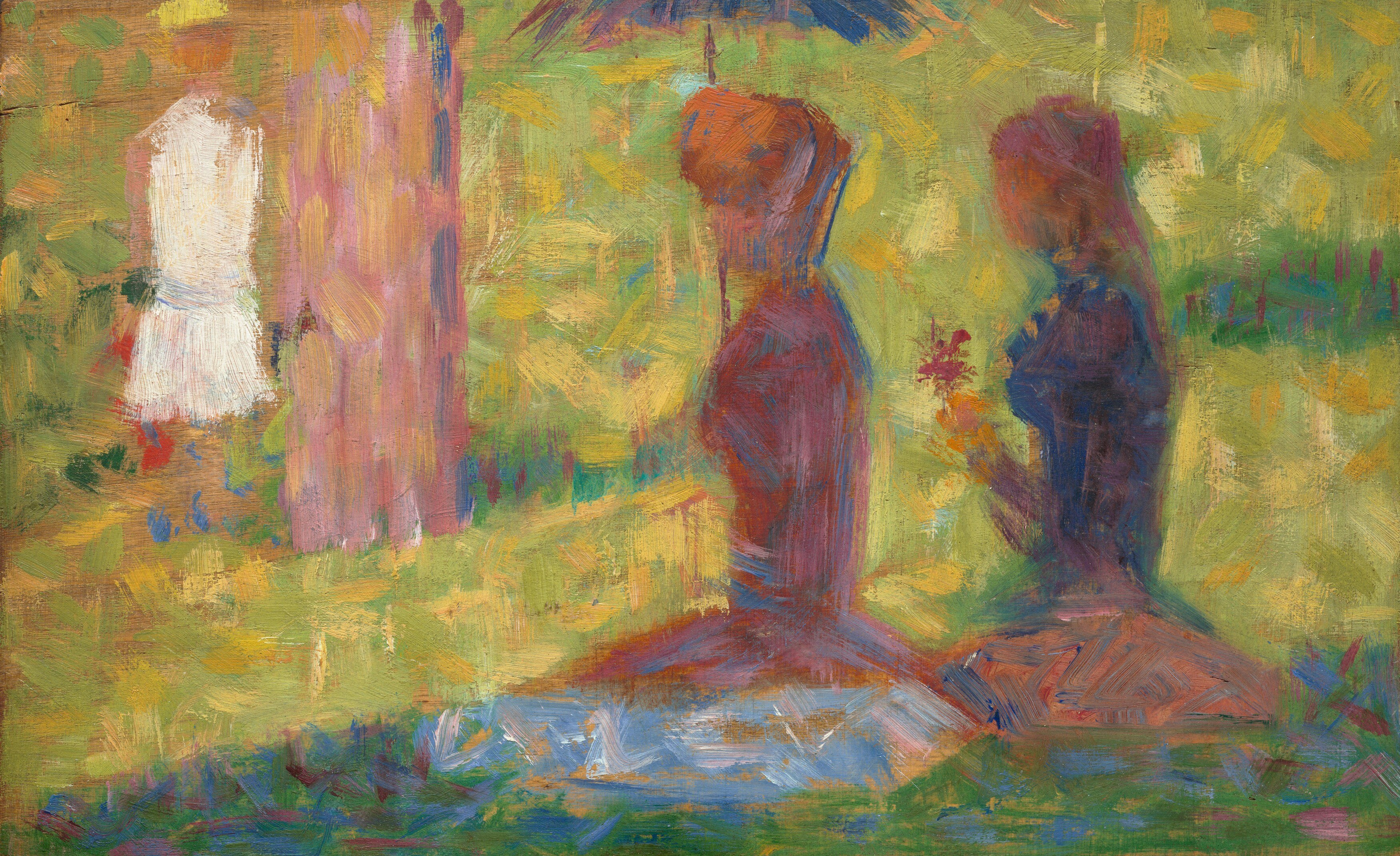
Georges Seurat's Study of Figures for "La Grande Jatte," painted in 1884, is a fascinating glimpse into the artist's methodical process for his iconic masterpiece. This oil sketch on wood panel, now at the National Gallery of Art, was one of many preparatory works Seurat created.
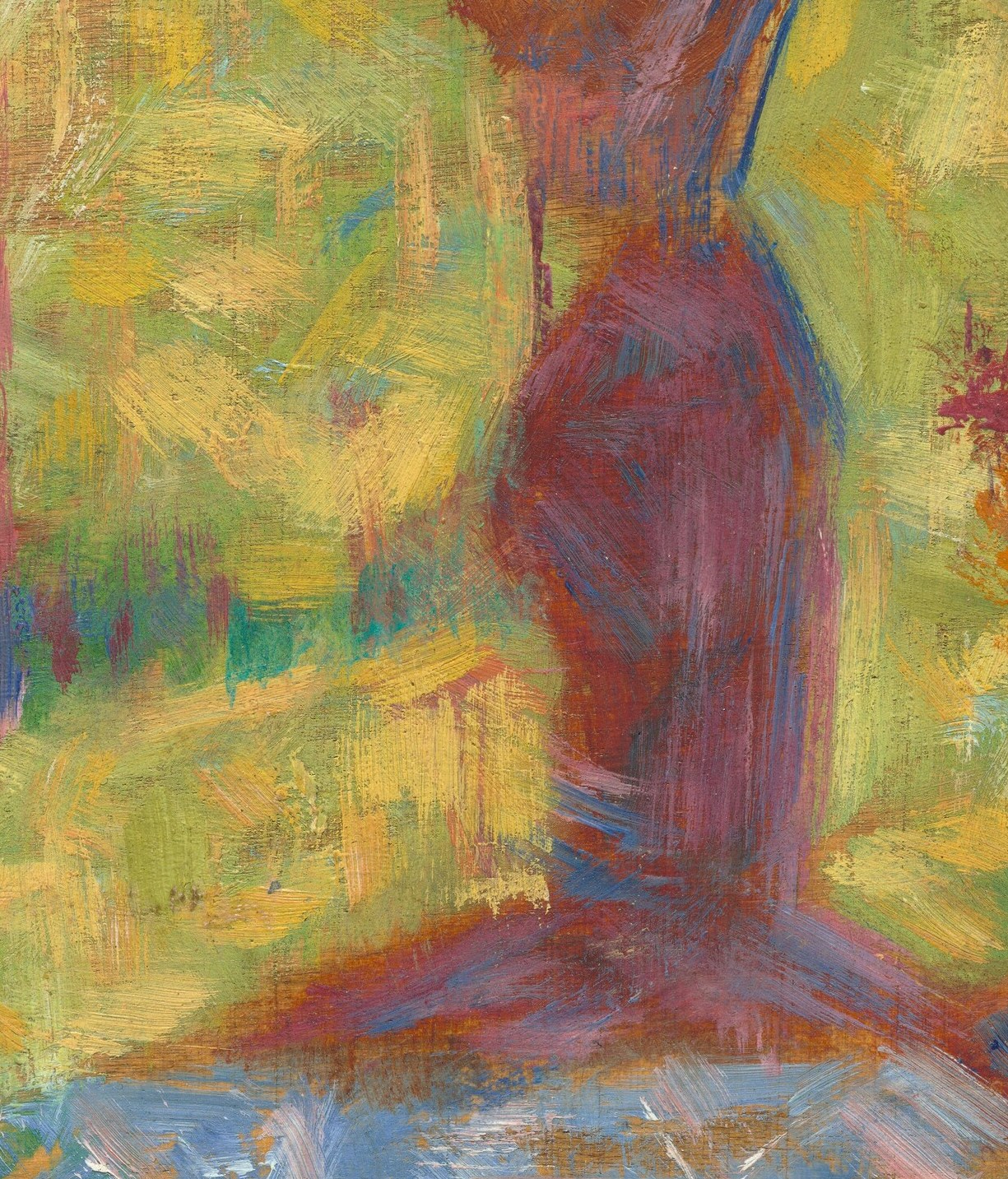
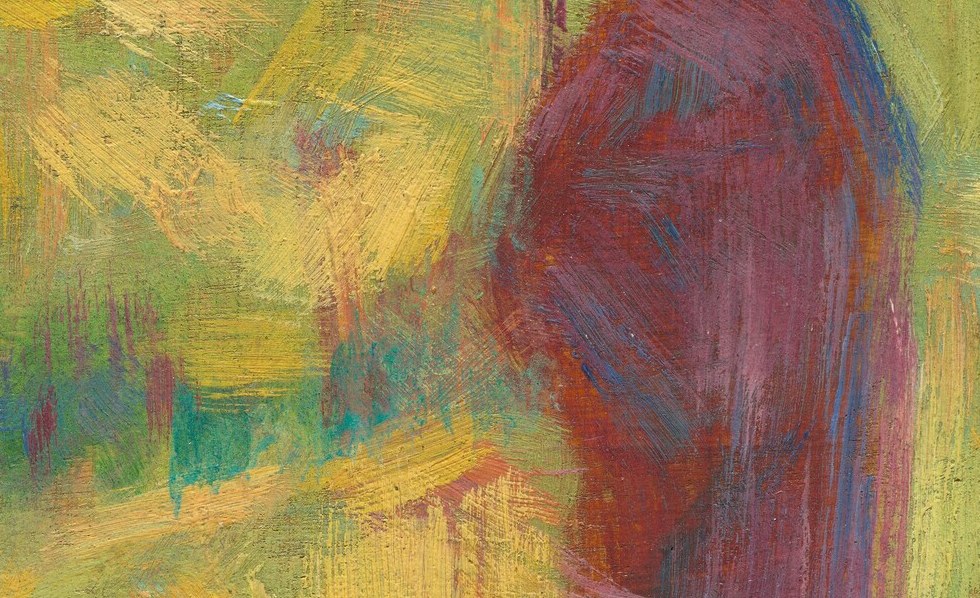
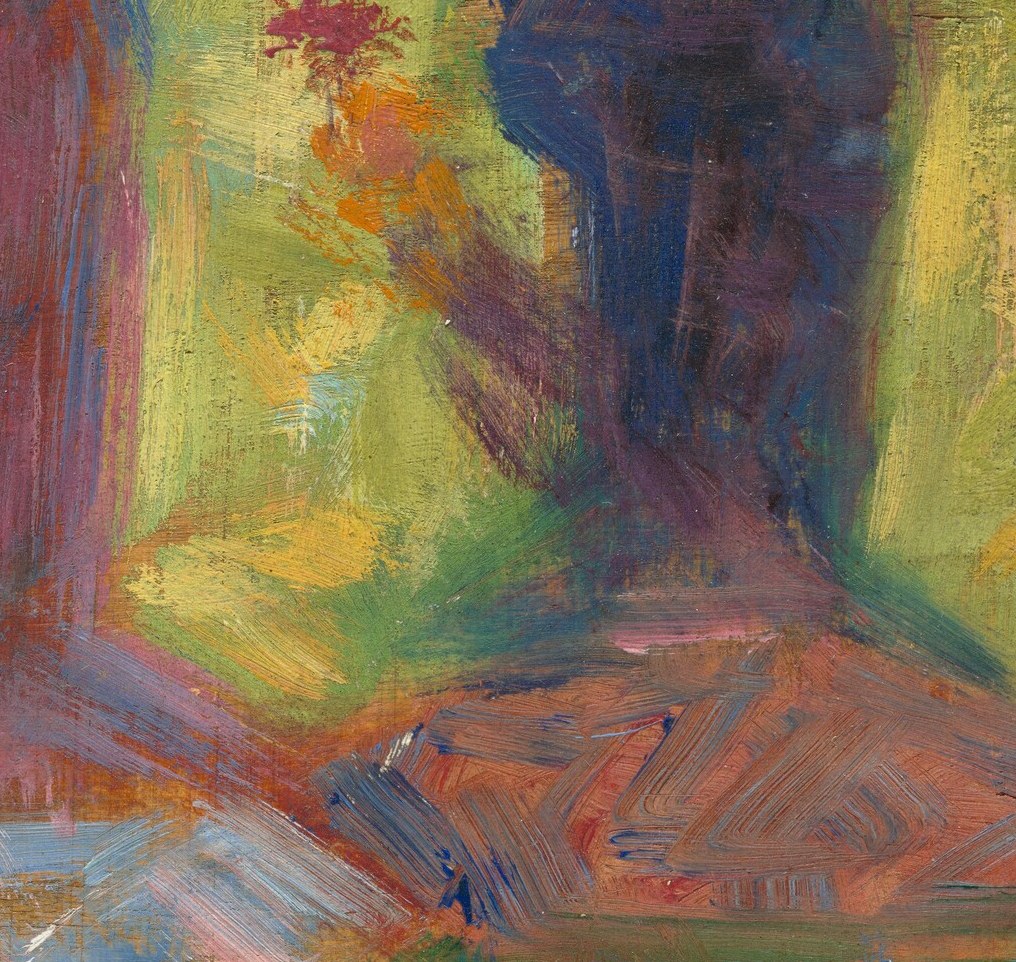
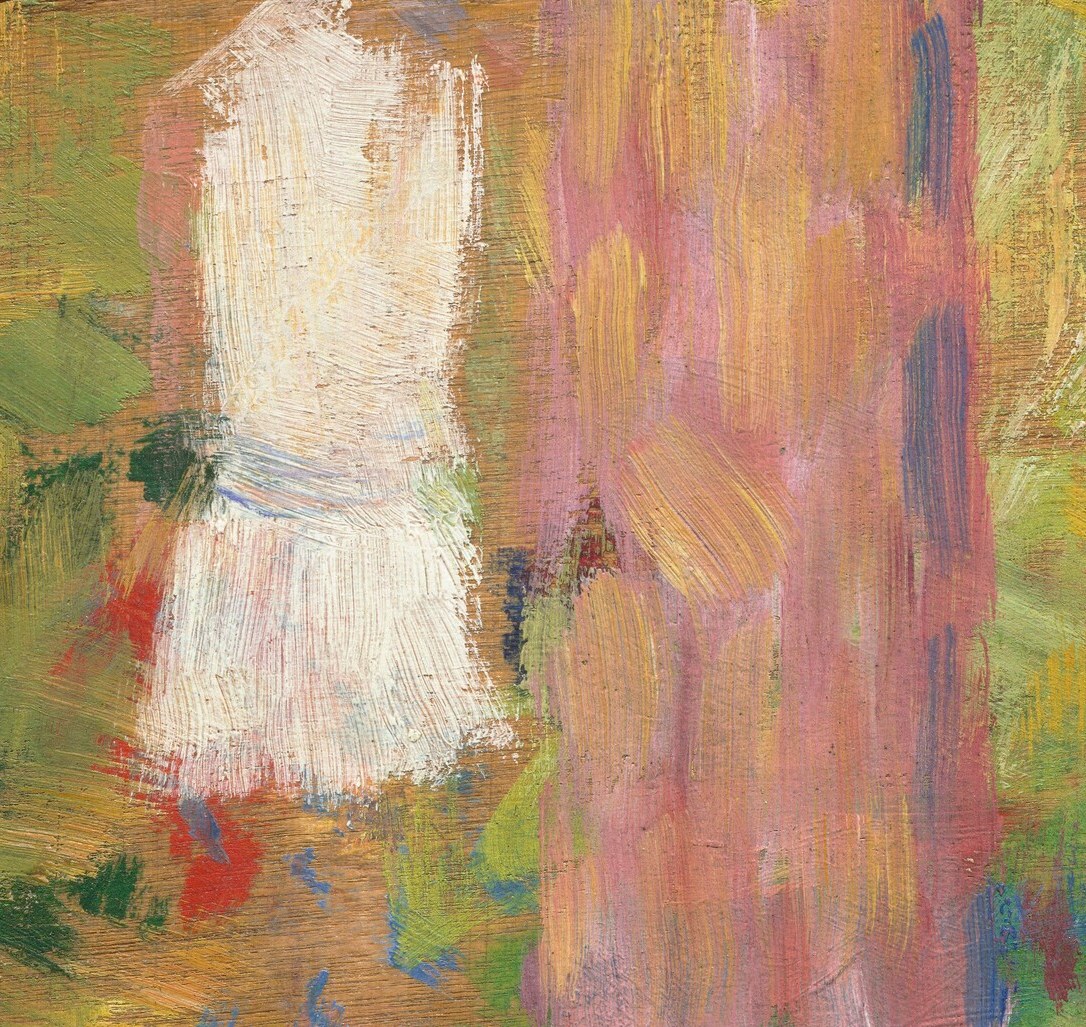
Here, you can see how Seurat experimented with spatial relationships and color interactions. Each figure, from the woman in the white dress to the figure holding a flower, was carefully placed to test the overall rhythm and balance of the crowd. Look closely at the distinct, unblended dots of color, characteristic of his Pointillist technique, which he used to create optical vibrations and simulate natural light.
This meticulous approach allowed Seurat to achieve chromatic harmony and structural balance before committing to the final, monumental canvas. It highlights his transition to a scientific application of color theory during the formative period of Divisionism. Seeing this study alongside the finished "La Grande Jatte" offers a unique insight into the construction of one of Post-Impressionism's most significant works.
What details do you notice in this study that stand out?
Details
Transcript
This painter meticulously planned his masterpiece. He created many small studies like this one. Each figure was arranged to test composition and color. Notice the dots of pure color, not blended strokes. This technique, called Pointillism, builds light and shadow. The figure with the flower suggests quiet contemplation. This was how he built his monumental scene, dot by dot.