Trapping a Leopard by Paulus Potter
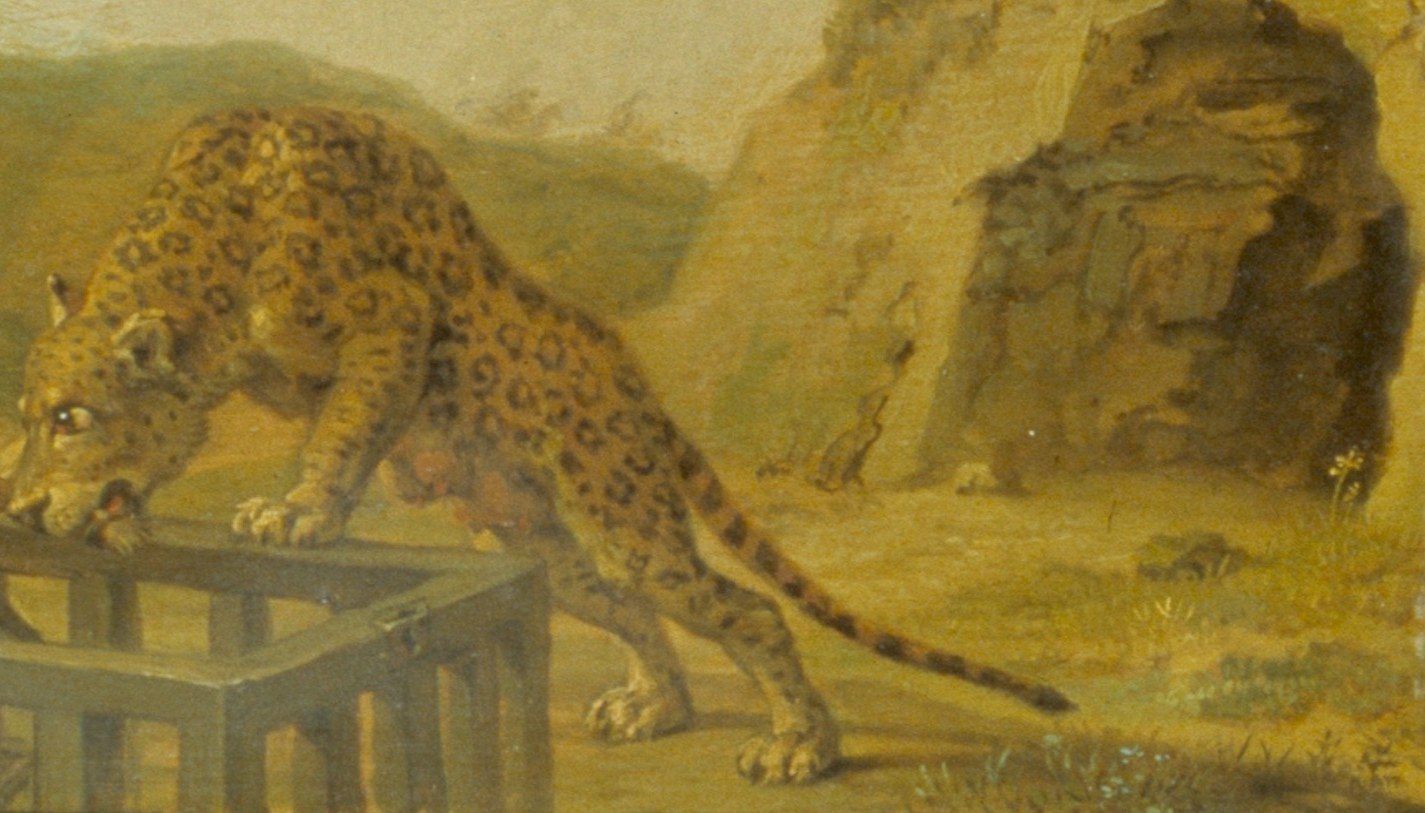
Paulus Potter's "Trapping a Leopard," painted around 1650, is a masterful example of the Dutch Golden Age artist's talent for animal portraiture. This oil painting, held at the State Hermitage Museum, focuses on a leopard captured in a cage, rendered with astonishing detail.
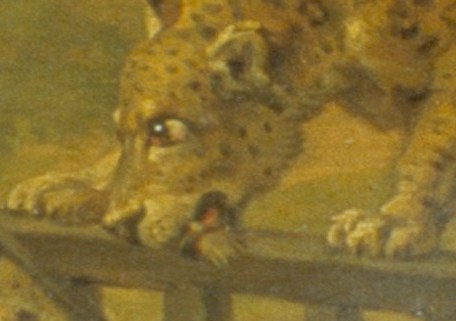
Potter was renowned for his ability to capture the textures and expressions of animals. Observe the leopard's alert face and powerful paws, which convey both curiosity and a sense of its wild nature.
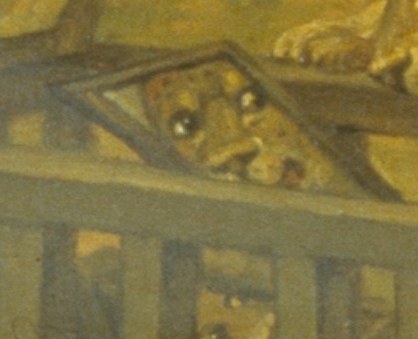
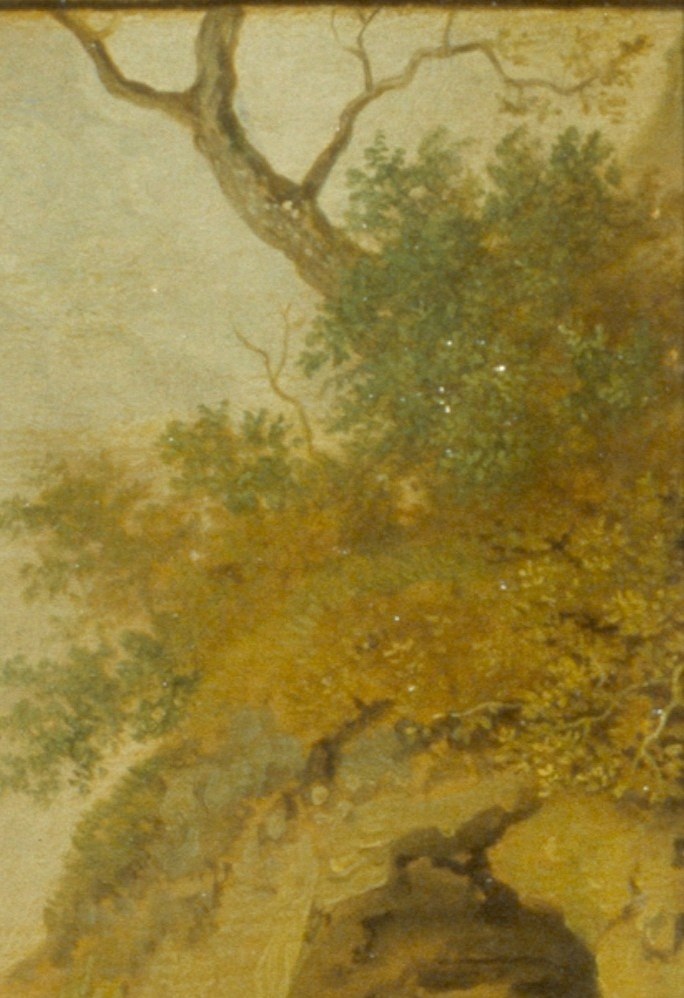
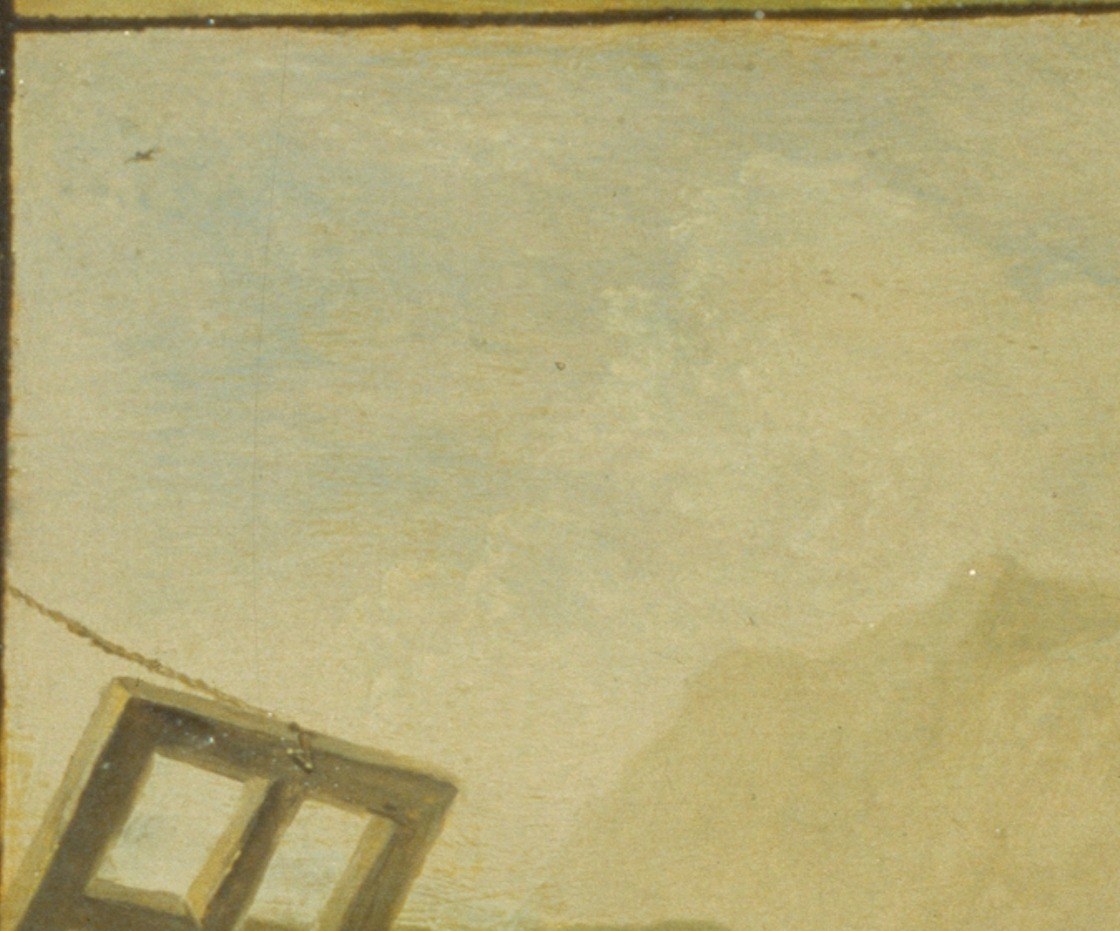
But beyond the obvious, a tiny detail in the misty background, visible in the mirror's reflection, offers a glimpse into the broader world the artist envisioned. Potter, who sadly died young at 28, left behind about 100 works, many focusing on animals in their environment.
This painting invites us to consider the contrast between confinement and the wild, a common theme in 17th-century art. What other hidden details do you notice?
Details
Transcript
This painting by Paulus Potter shows a leopard caught in a cage. The Dutch artist painted it around 1650, at age 25. He was famous for detailed animals, often seen up close. But look closely, there is a hidden detail. Beyond the reflection, far in the distance, are tiny trees. These hint at the wild world this animal came from.