Berend van Iddekinge with his Wife and their Son by Philip van Dijk
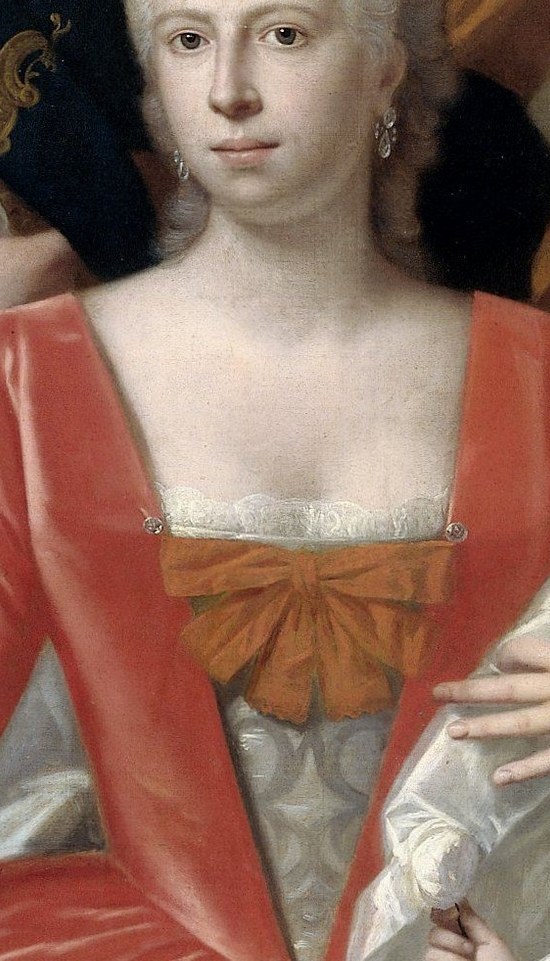
In "Berend van Iddekinge with his Wife and their Son," painted by Philip van Dijk in 1745 and held at the Rijksmuseum, a seemingly straightforward family portrait reveals subtle layers of meaning through its symbolism. This work offers a glimpse into the values and self-presentation of a prosperous 18th-century Dutch family.
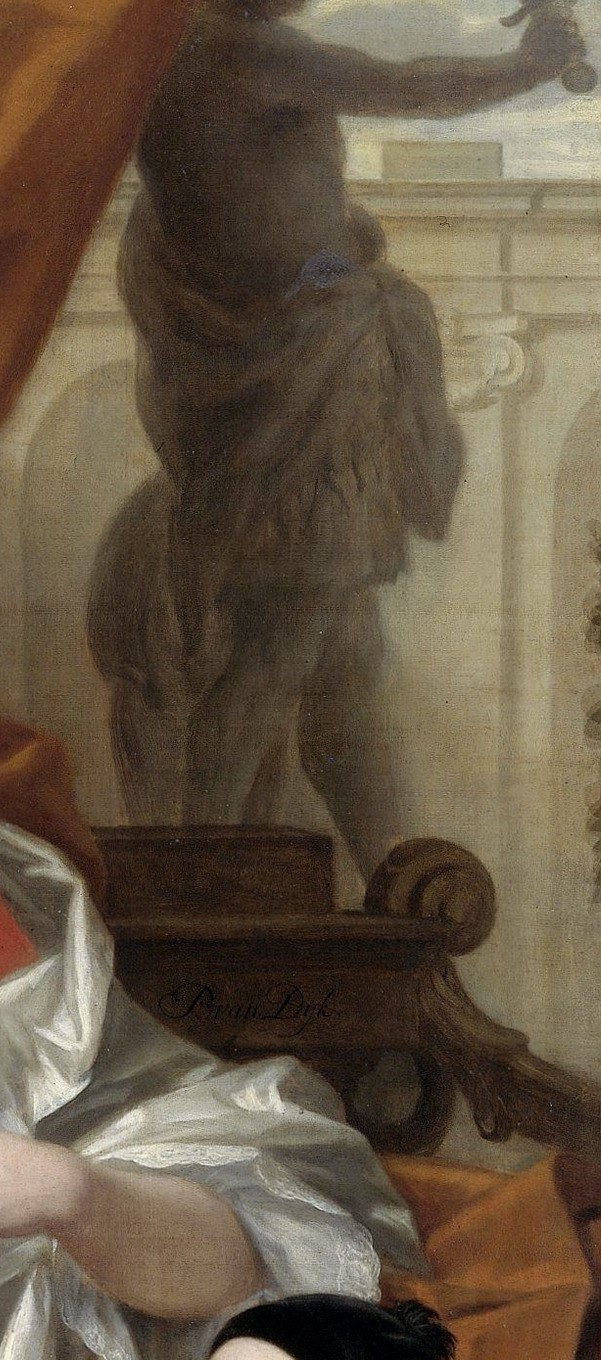
Observe the rich details: the father's opulent blue coat with its gold trim clearly signifies their status and wealth. Yet, the background elements add a deeper narrative. The statue of a sword-bearing figure isn't just decoration; it likely alludes to themes of justice, power, or even civic duty, common allegories of the time.
Then, turn your attention to the young son, holding a fragile white flower. This small detail is potent: it often symbolizes innocence, the fleeting nature of childhood, or the vulnerability of life. Through these contrasting symbols of strength and fragility, the family projects not only their societal standing but also a quiet acknowledgment of life's delicate balance. It's a portrait that speaks to both aspiration and human condition.
What other hidden meanings might you find in this painting?
Details
Transcript
This family portrait seems like a statement of status. The father's blue coat, with its rich gold trim, speaks to wealth. But look at the statue behind them, a figure with a sword. In 1745, a sword often symbolized justice or martial power. Now, the son: he holds a delicate, white flower. This could represent his youth, innocence, or even mortality. This family, then, presents itself with power, but also vulnerability.