The Egg Dance by Pieter Aertsen
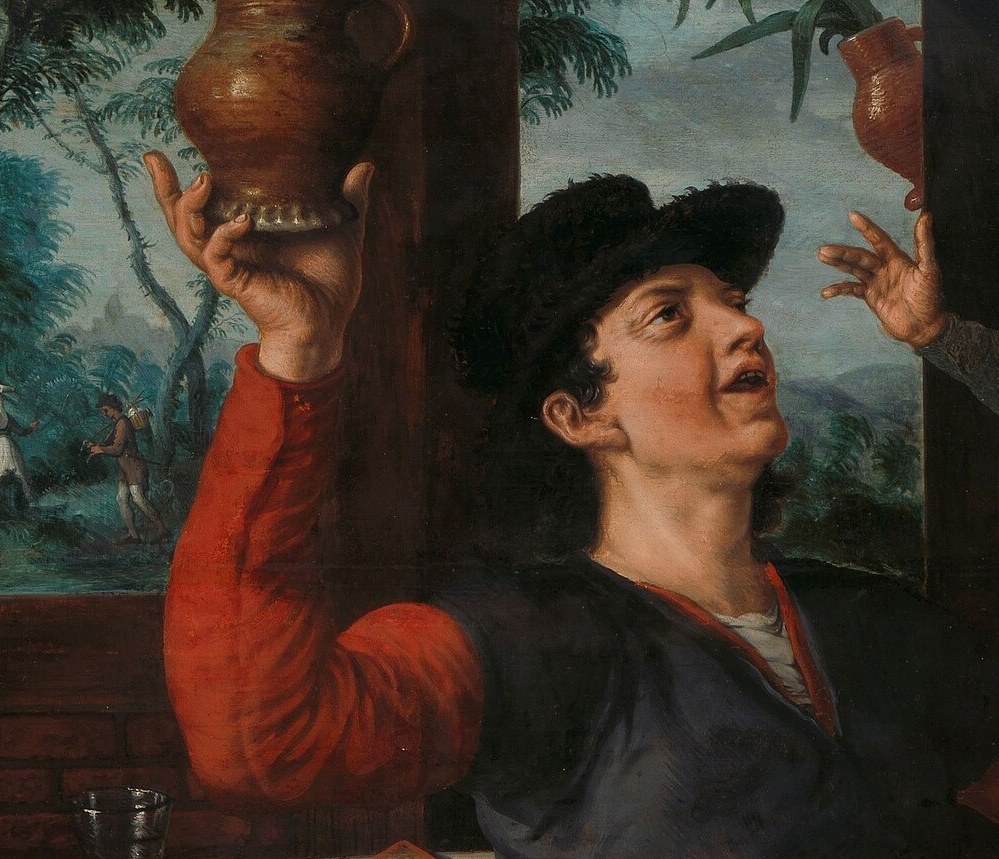
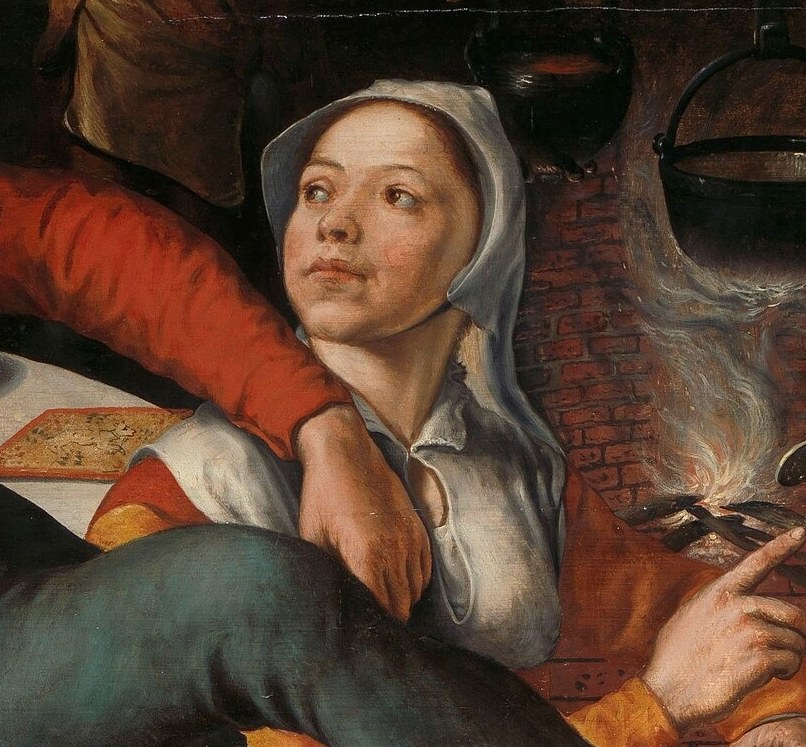
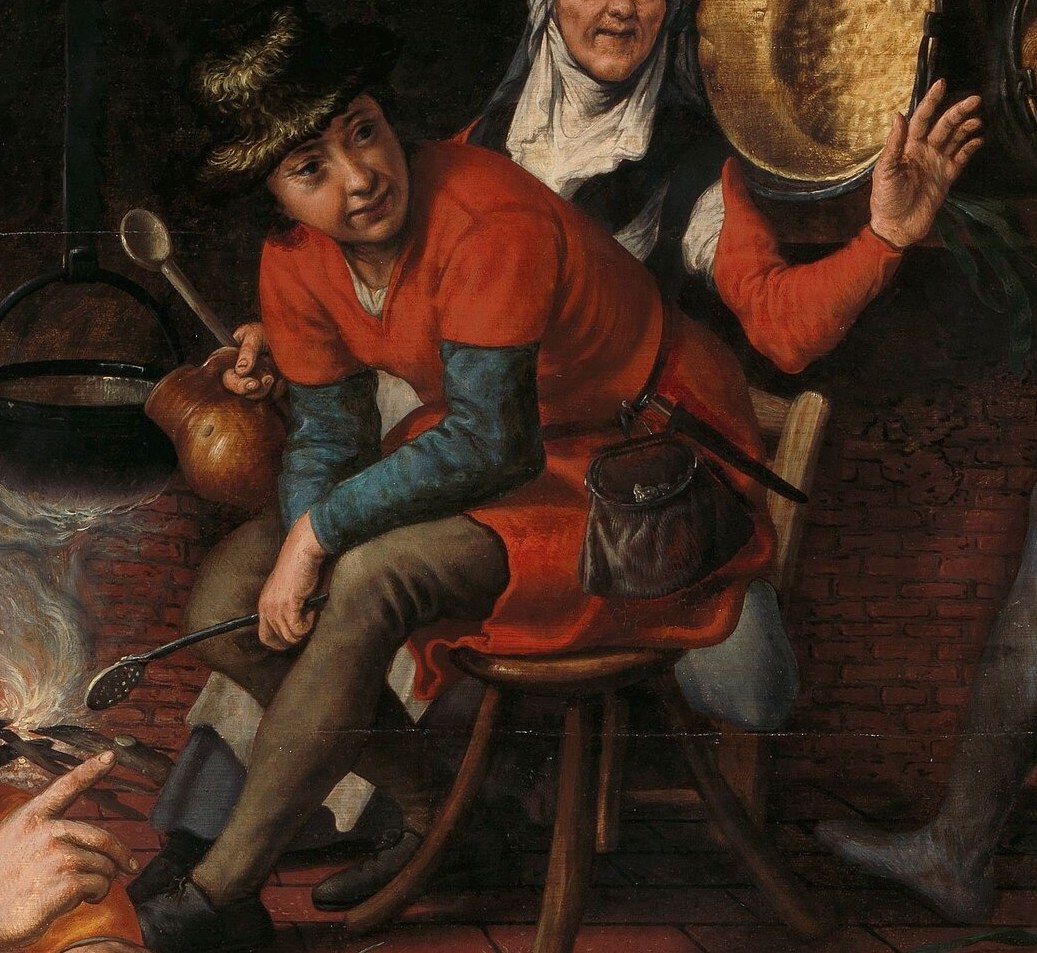
Pieter Aertsen's 1552 painting, *The Egg Dance*, now at the Rijksmuseum in Amsterdam, appears at first glance to be a lively depiction of a 16th-century folk custom. The 'egg dance' was a popular activity during Easter or carnival, where participants navigated a floor strewn with eggs without breaking them, often blindfolded.
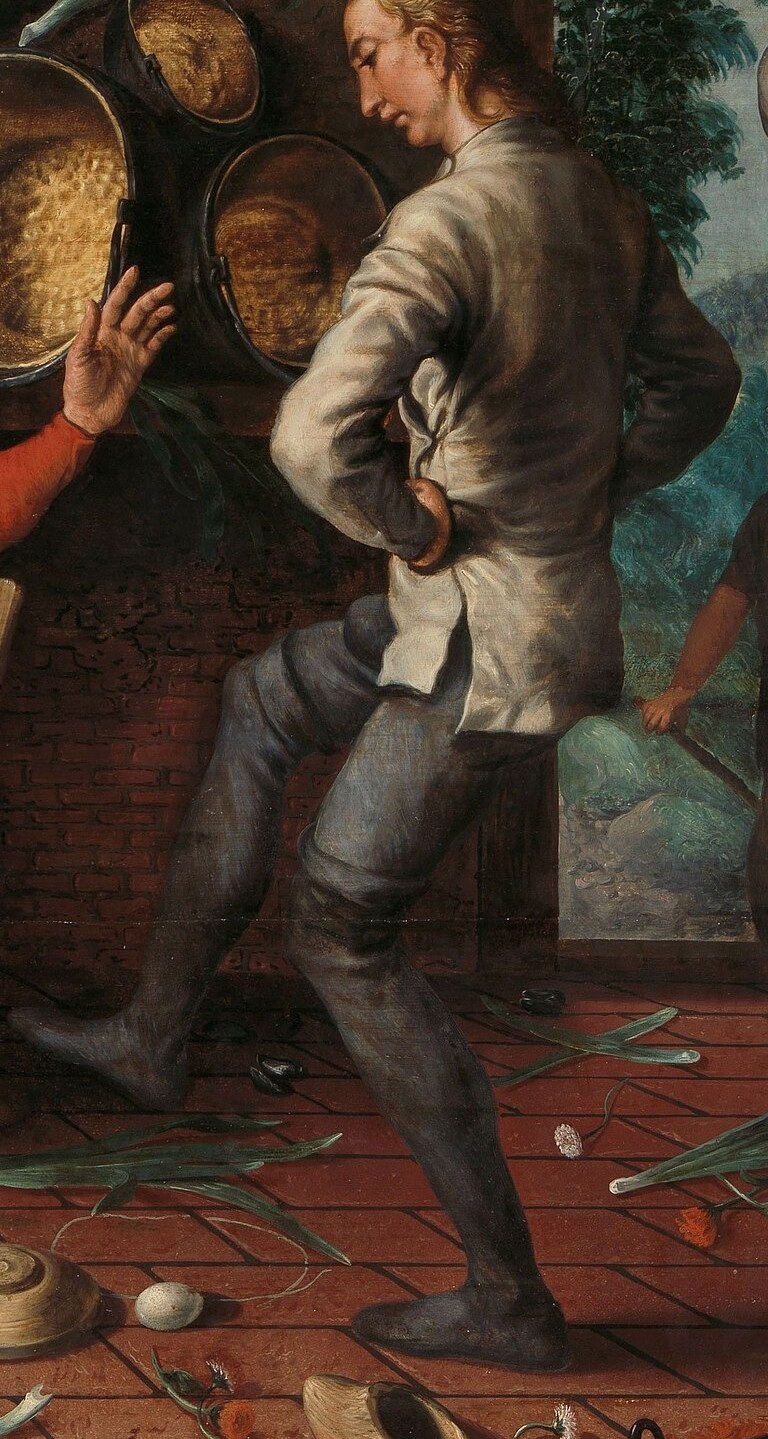
Yet, a closer look at the figure in the grey coat reveals a more profound, hidden meaning. This figure, distinct from the revelry, is often interpreted as representing Christ, a common practice for Aertsen who frequently embedded biblical narratives within his monumental genre scenes.
Aertsen, known as 'Tall Pete' due to his height, was a Dutch painter who innovated by combining still life, genre painting, and often a subtle biblical scene in the background. His work influenced later Flemish Baroque and Dutch still life painting, preceding Pieter Bruegel the Elder's peasant scenes by several years.
This painting is a wonderful example of how artists wove complex meanings into everyday scenes, inviting viewers to look beyond the surface. What other hidden details do you notice?
Details
Transcript
This 1552 painting shows a boisterous 'egg dance' in progress. The folk custom involved dancing among eggs without breaking them. Look closely at the man in the grey coat. He is not celebrating. This figure represents Christ. His solemn gaze points to an often-overlooked biblical scene. The painter Pieter Aertsen often hid religious meaning in his art.