Baby (Cradle) by Klimt, Gustav
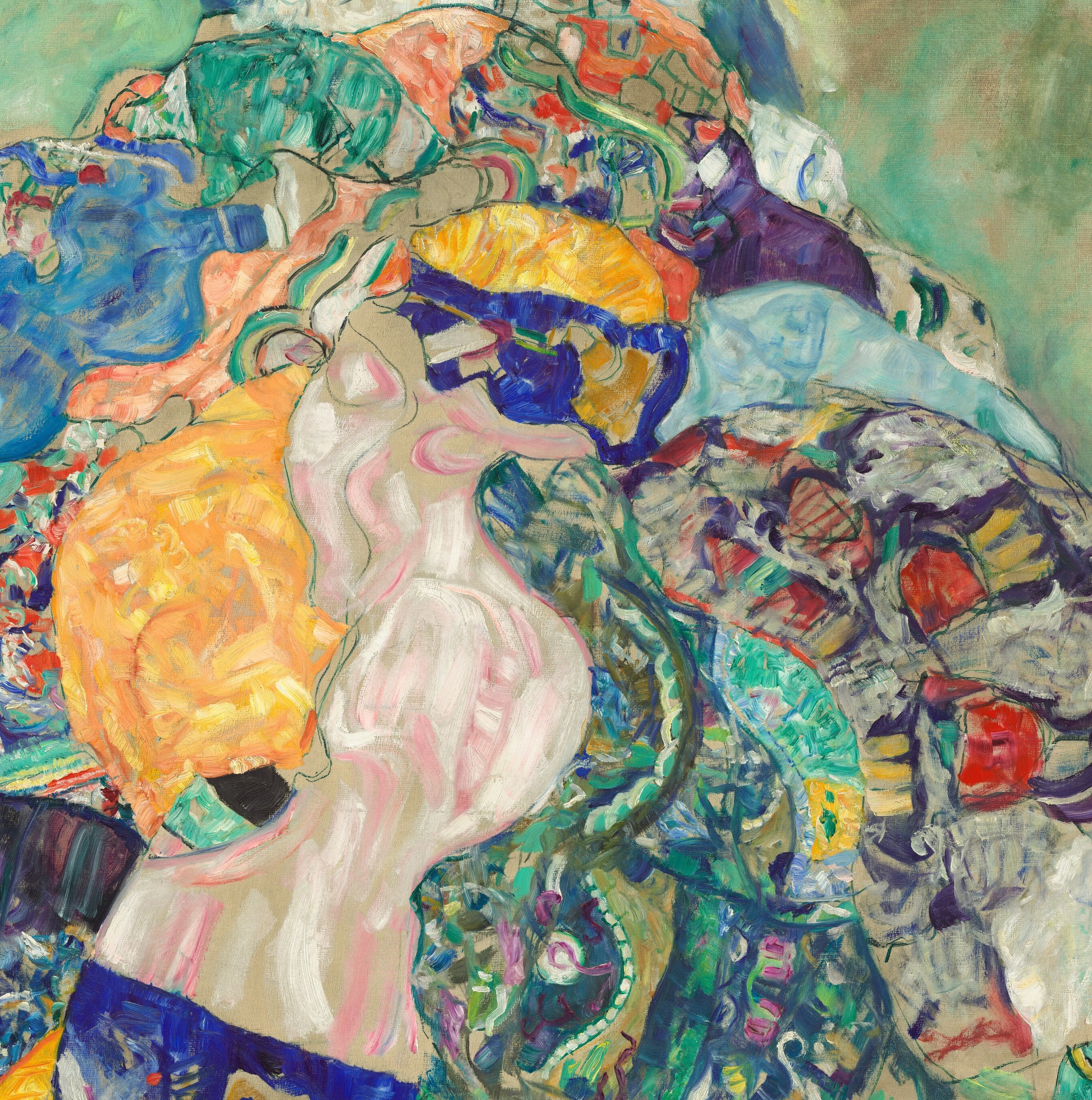
Gustav Klimt's "Baby (Cradle)" from 1918, housed in a private collection, is a stunning example of how paint can be manipulated to create tangible texture. Klimt achieves a remarkable three-dimensional quality in this portrait, making the swaddling blanket appear almost woven and palpable.
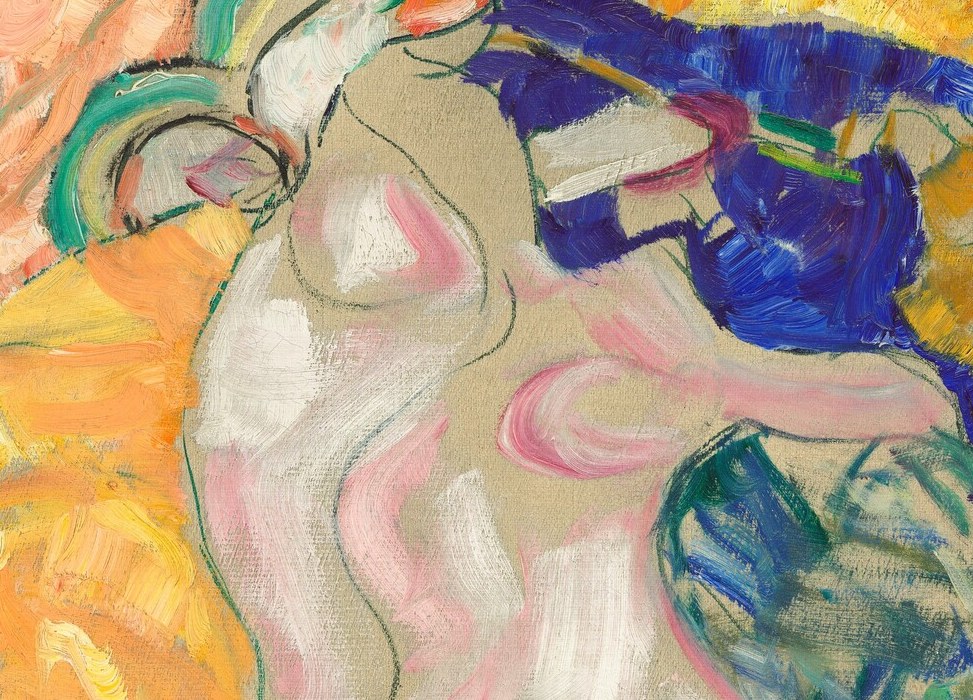
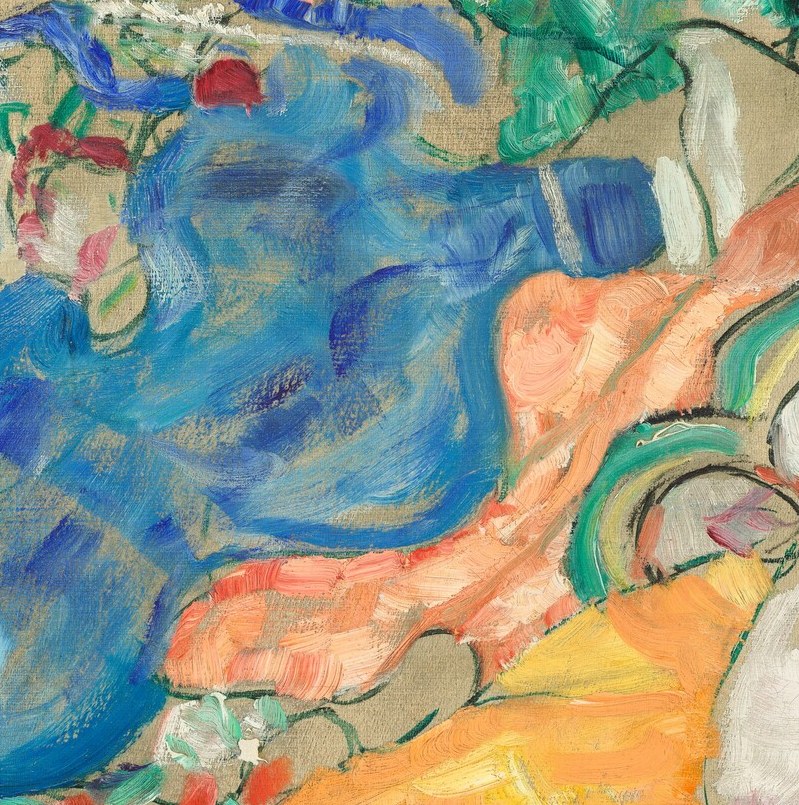
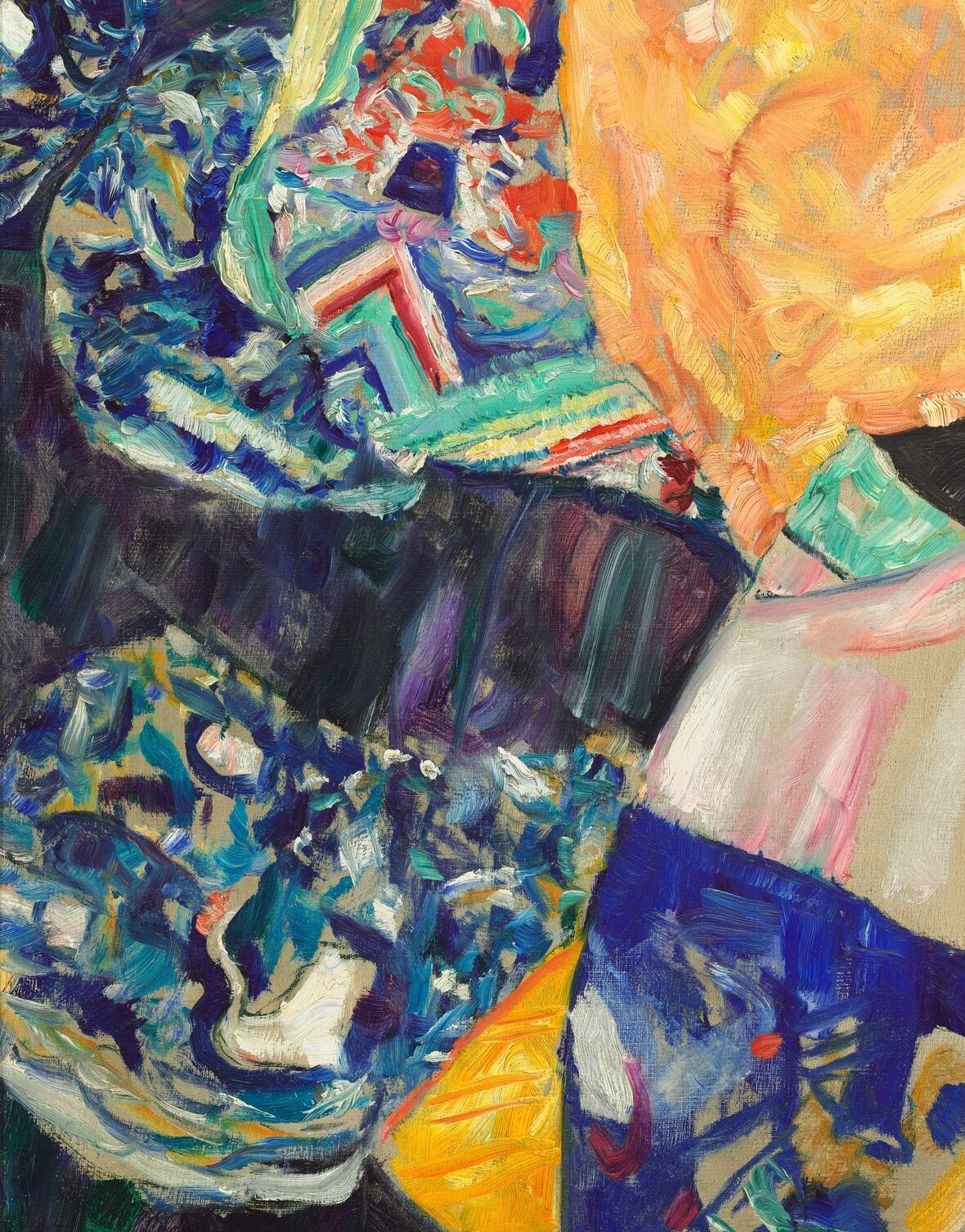
Look closely at the baby's blanket, particularly the patches of vibrant yellow and blue fabric. The artist used a technique called impasto, applying oil paint thickly, almost directly from the tube, to create a heavily textured surface that emphasizes material presence over smooth idealization.
This method allows the viewer to almost feel the weight and texture of the blanket, a departure from some of Klimt's more ornate, smoother styles. It's a testament to his expressive approach in his final years, focusing on the intimate bond between mother and child through the very fabric of the paint.
How does this textural richness change your perception of the painting?
Details
Transcript
This painter turned canvas into a tapestry of color and texture. See how thick he laid the paint, almost directly from the tube. This technique, called impasto, makes the blanket almost tangible. Every patch of fabric feels three-dimensional, like a mosaic. The heavy brushstrokes create a rich, almost sculptural surface. He builds a world of touch, not just sight.