Portrait of a Married Couple (Lorenz Kraffter and Honesta Merz?) by Ulrich Apt the Elder
This is "Portrait of a Married Couple (Lorenz Kraffter and Honesta Merz?)" by the Augsburg painter Ulrich Apt the Elder, dated 1512. The identification of the sitters is still tentative, but the painting itself leaves almost nothing ambiguous about their social standing.
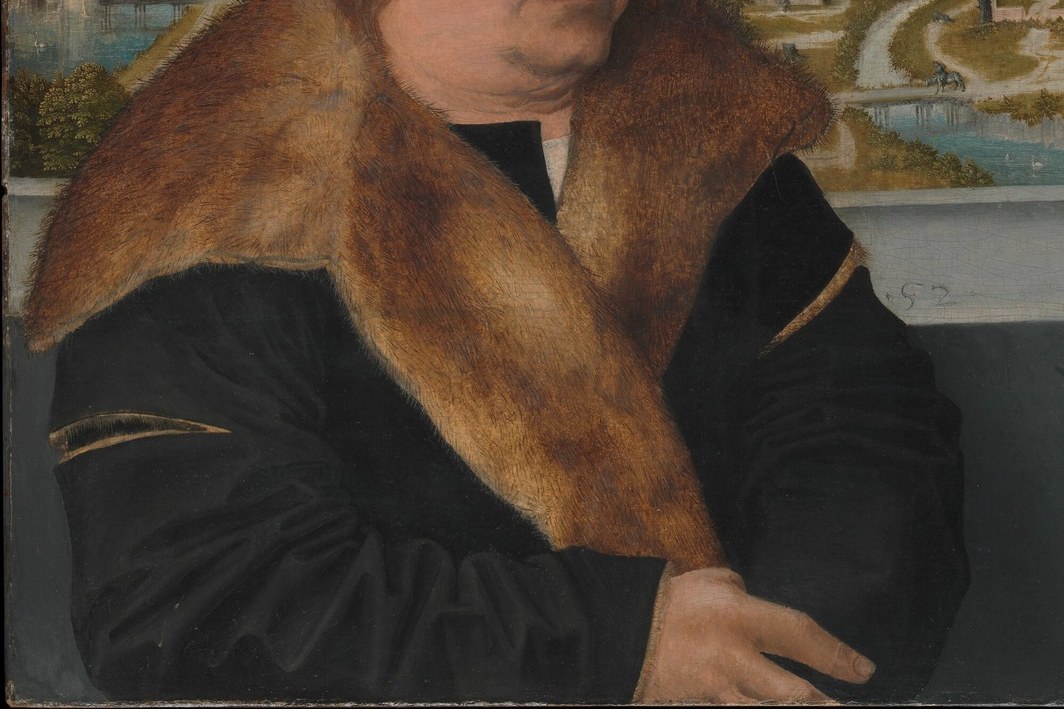
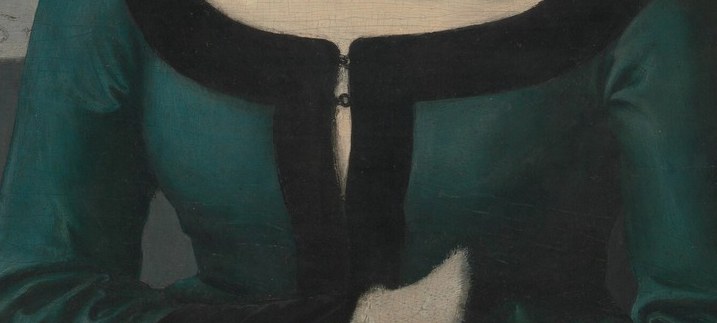
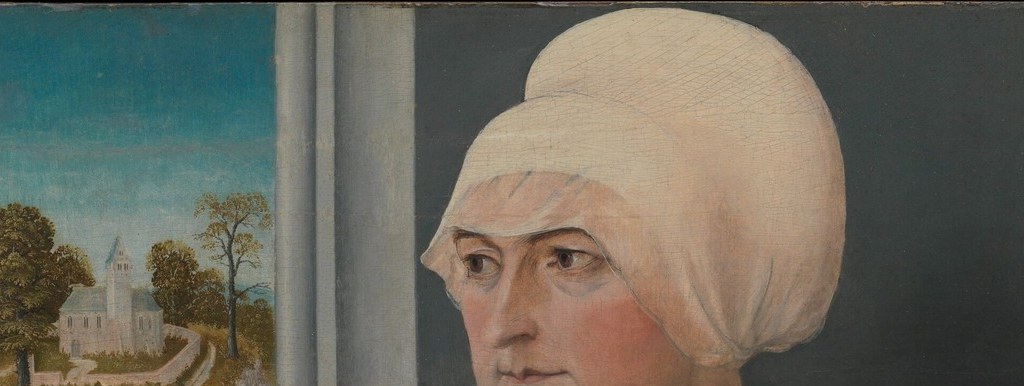
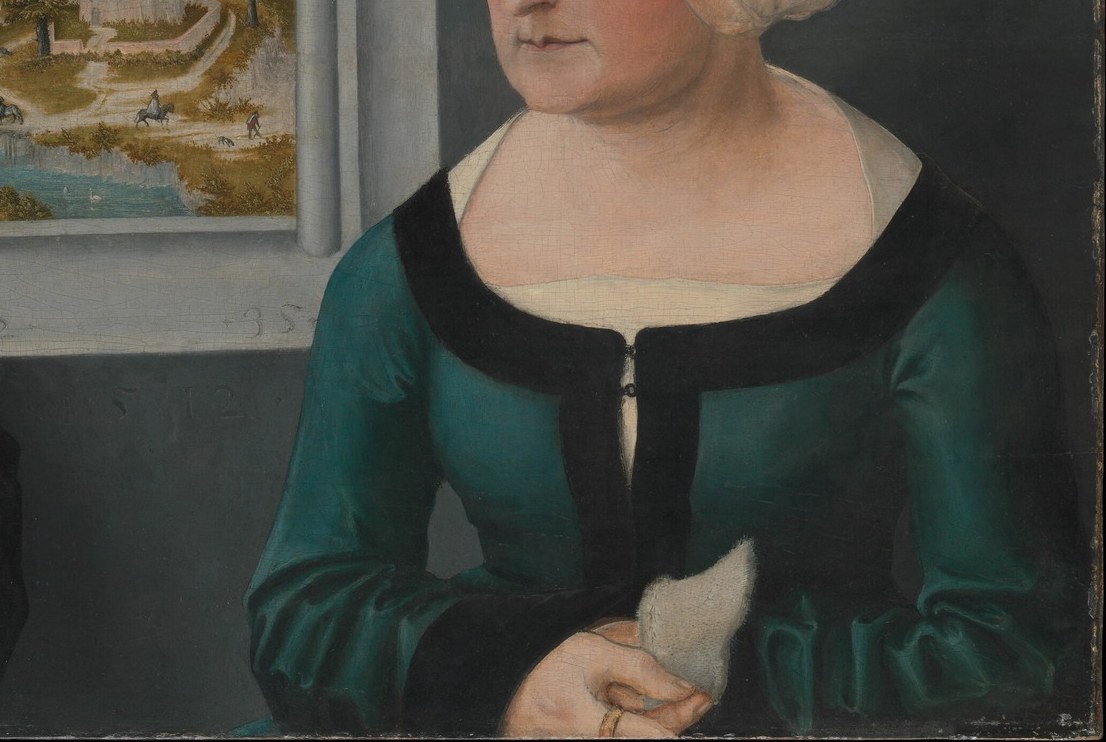
Every object in the frame is doing a specific job. The man’s dense fur collar isn’t just a cold-weather choice, Imperial sumptuary laws in early 16th-century Augsburg strictly regulated who could wear what furs. That collar signals civic rank as clearly as a badge. The woman’s folded white wimple announces her married respectability, while the deep green of her dress is a blunt display of wealth: green dyes were costly and rare. The paper in her hands likely represents their marriage contract, giving her an active, literate presence rather than a purely decorative one.
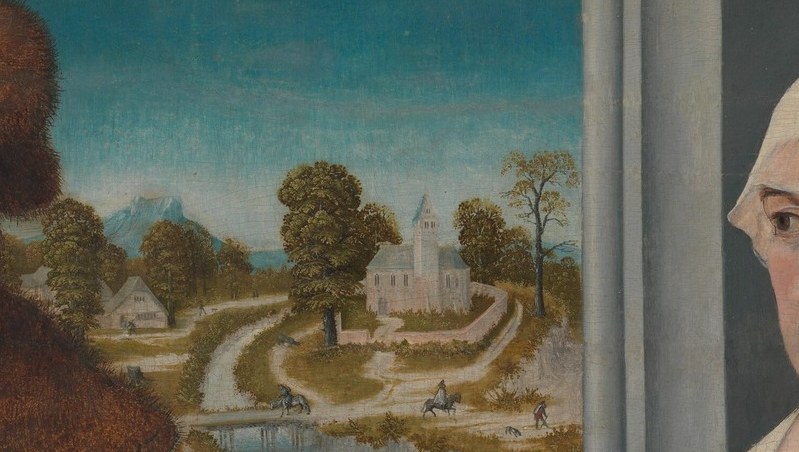
Look past the couple through the central window and you will find a panoramic landscape with a distinctive town and spires at the water’s edge. Specialists believe this may depict the Rhine valley or the view outside Augsburg itself, functioning as a kind of topographic portrait that pins the couple to their place in the world.
What feels to us like a quiet double portrait was, to a contemporary viewer, a densely coded page of information. We can still decode it, object by object.
Details
Transcript
They sit before a wide landscape, dressed in their Sunday best. Start with the fur collar. That is not fashion; it is law. Augsburg sumptuary codes reserved certain furs for the city's ruling elite. She holds a folded letter, a marriage contract, not a love note. Her wimple’s crisp folds announce married respectability. The green dye in her dress was expensive, a tax on display. The town in the window is not generic. It pins them to a specific place. Together the code reads: we are wealthy, lawful, married, and rooted here.