Landscape, Distant Village by Daubigny, Charles-François
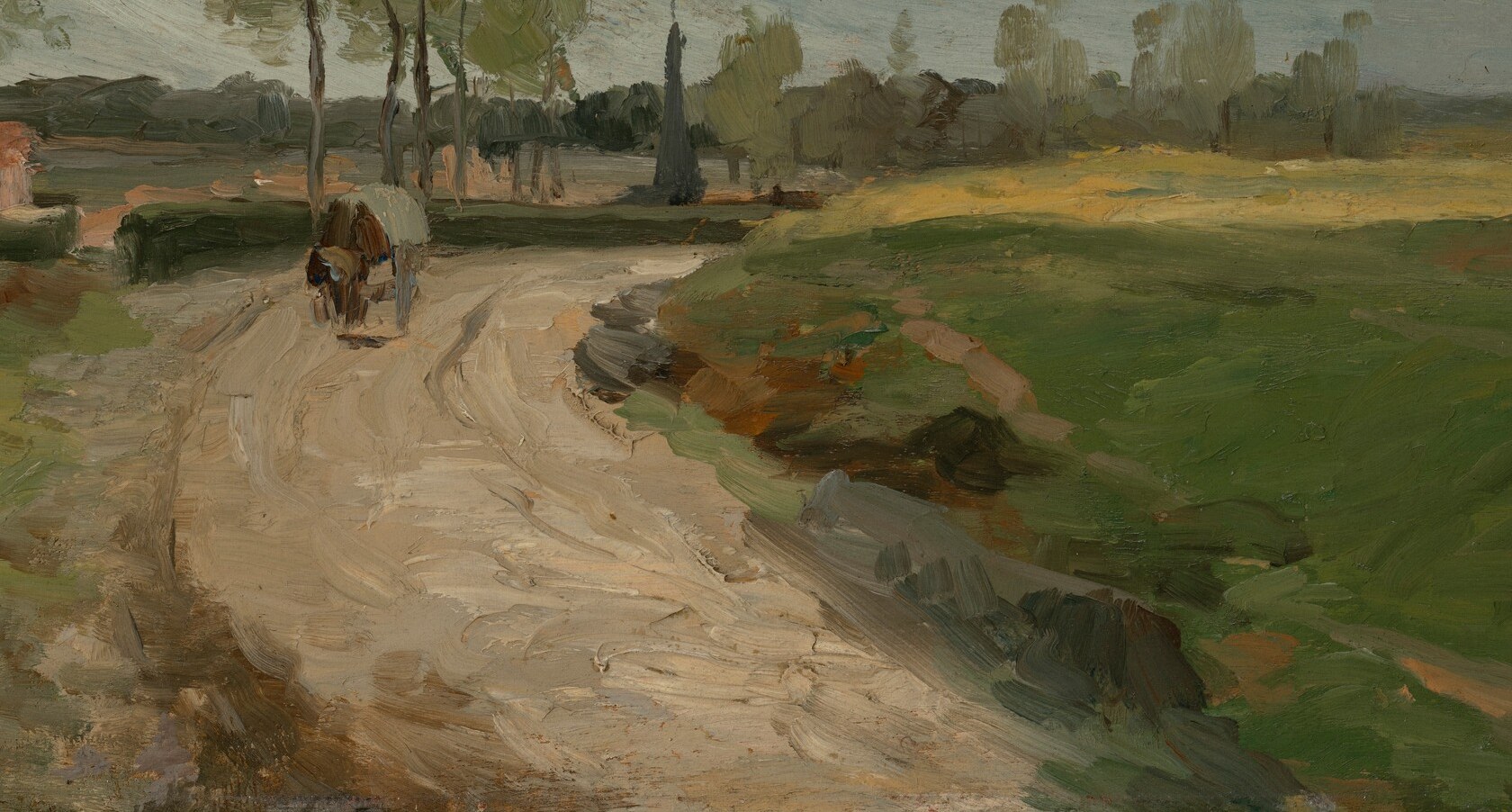
Charles-François Daubigny's *Landscape, Distant Village*, painted around 1870, offers a serene glimpse into rural 19th-century France. This oil on wood painting, now at the Art Institute of Chicago, is a quintessential example of the Barbizon School's dedication to naturalistic landscapes.
Look closely at the winding dirt road, guiding your eye towards a distant village. The horse-drawn cart highlights the era's mode of transport, essential for daily life and commerce. Daubigny's focus on unidealized, everyday rural scenery was central to the Barbizon painters' artistic concerns.
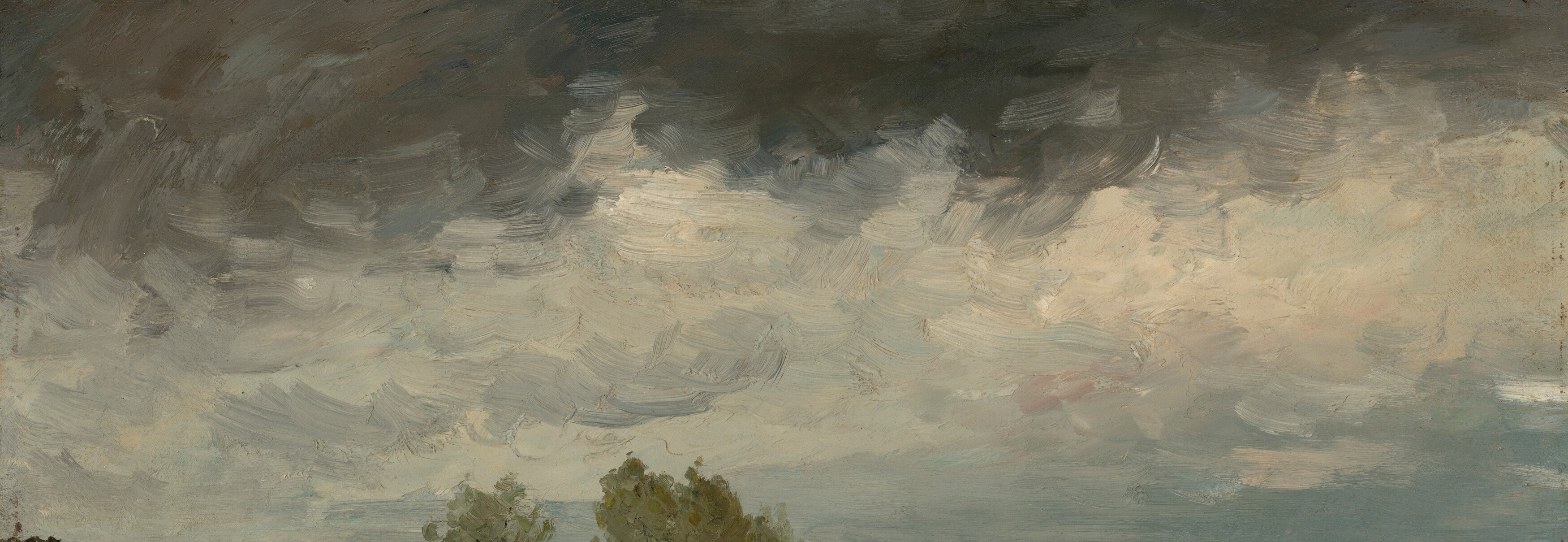
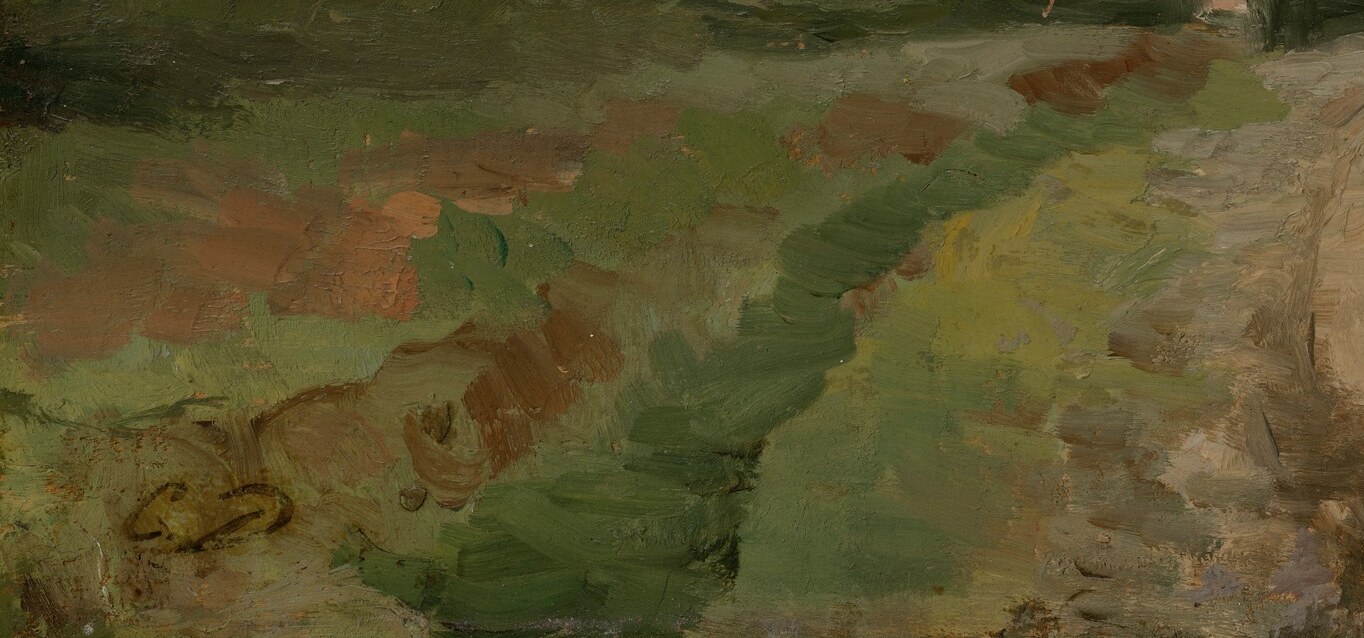
Daubigny, a significant precursor to Impressionism, used loose brushwork and paid close attention to light and color, especially evident in the atmospheric sky. He often painted directly from nature, capturing transient effects and the quiet beauty of the French countryside.
This painting invites us to pause and reflect on a simpler time, where human activity was deeply intertwined with the natural world. What details do you find most captivating?
Details
Transcript
Rural France, 1870. Life moved at the pace of this road. Each day, carts like this one carried goods and people. Artists of the Barbizon School painted everyday landscapes, unidealized. This painter was a leader, capturing fleeting atmospheric effects. His loose brushwork paved the way for Impressionism. A quiet village, just beyond the bend in the road.