Mrs. Carp and her young Son by Louis Moritz
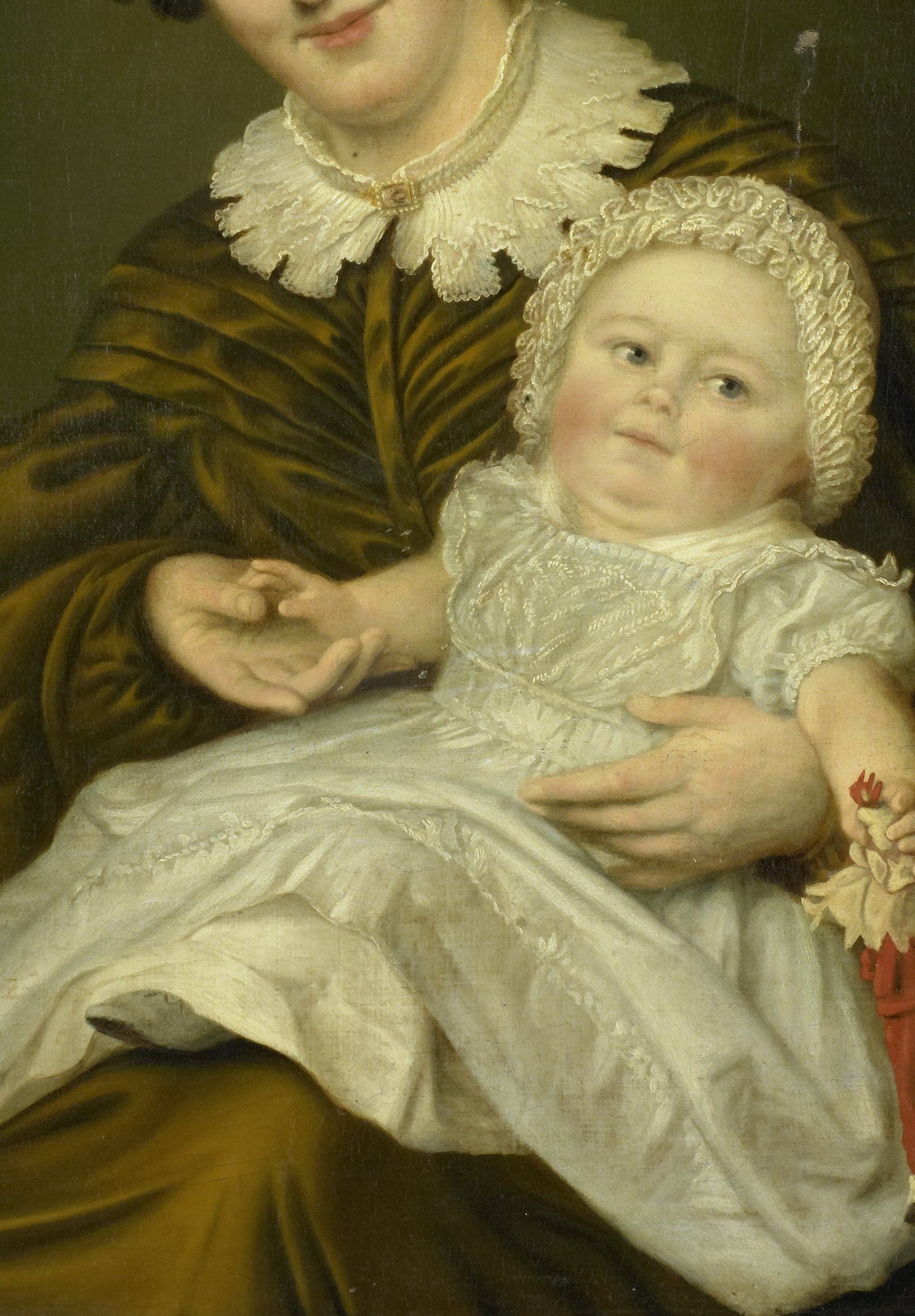
Around 1850, Dutch portraiture often emphasized modest domestic scenes, aligning with contemporary values of familial duty and modesty. Louis Moritz's "Mrs. Carp and her young Son" (c. 1850) at the Rijksmuseum is a beautiful example.
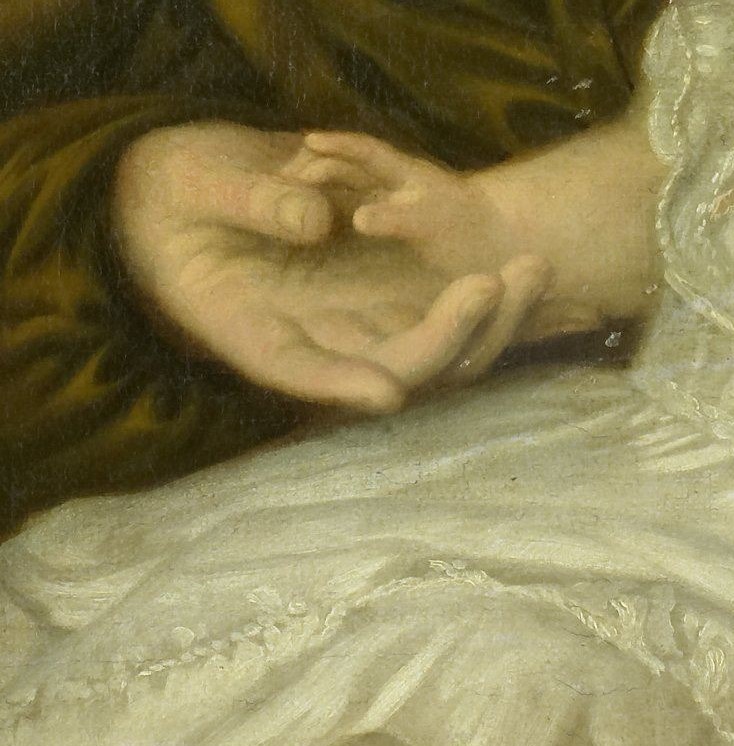
Notice how the muted, dark background draws all attention to the faces and attire of the subjects. The mother's rich, velvety dress and simple pearl necklace subtly communicate her wealth and refined status, while her protective hand on the child speaks to the era's focus on family bonds.
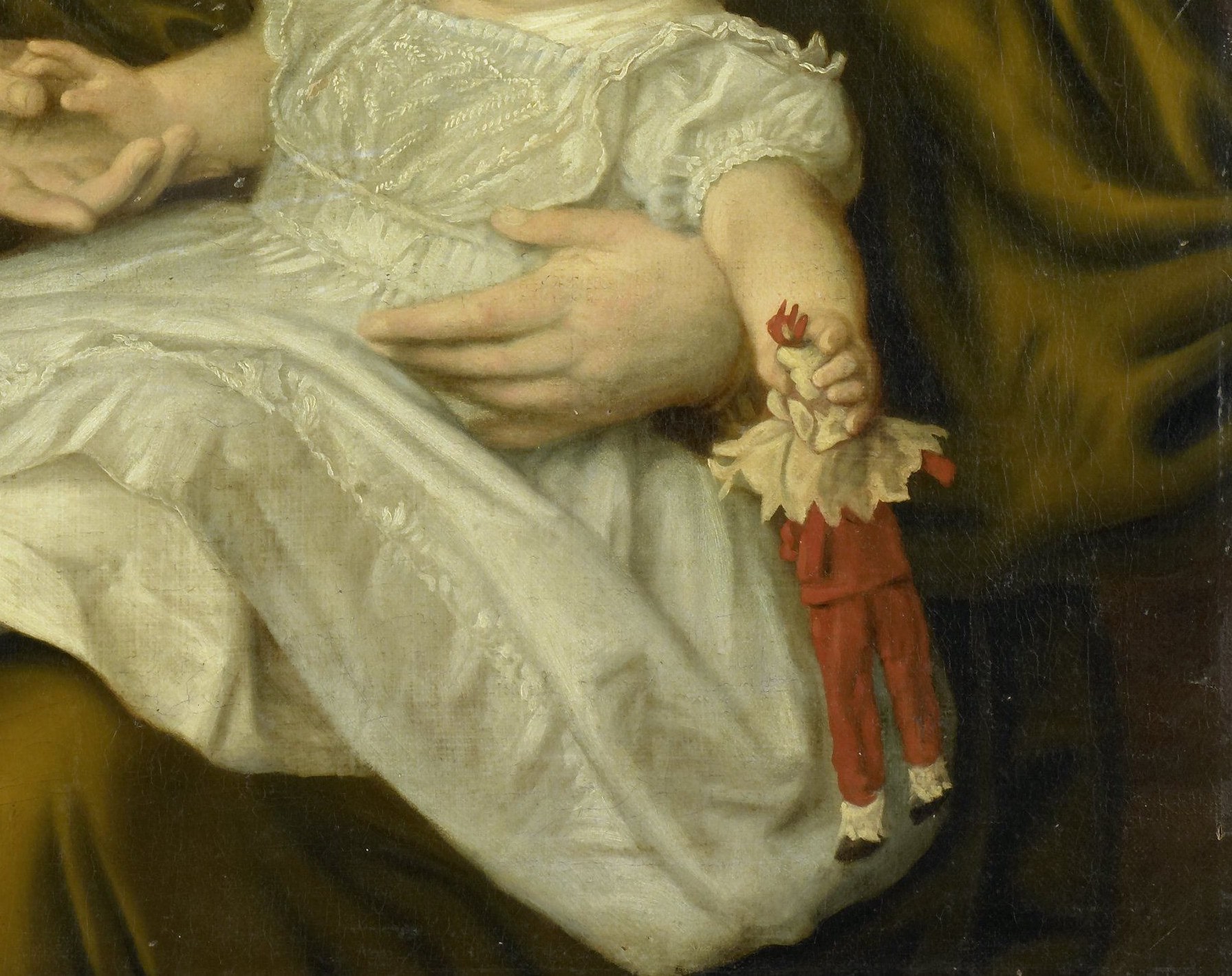
The child's elaborate white lace gown, meticulously rendered, highlights their delicate and cherished status within the family. Moritz's choice of a plain background and restrained palette was typical, aiming to focus on the sitters' character rather than elaborate settings.
This painting provides a glimpse into mid-19th century bourgeois family life, celebrating quiet intimacy and the social importance of family representation. What details do you find most striking?
Details

Transcript
This family portrait was painted in the Netherlands, around 1850. The muted background focuses all attention on the sitters. Her dress, with its rich texture, suggests wealth and status. The simple pearl necklace adds a touch of refined elegance. Her protective hand emphasizes the strong bond with her child. The child's elaborate lace gown was a symbol of their delicate status. Such portraits captured a quiet intimacy, reflecting family importance.