L'Homme au bonnet de coton (Antoine Dominique Sauveur Aubert, the Artist's Uncle) by Paul Cézanne
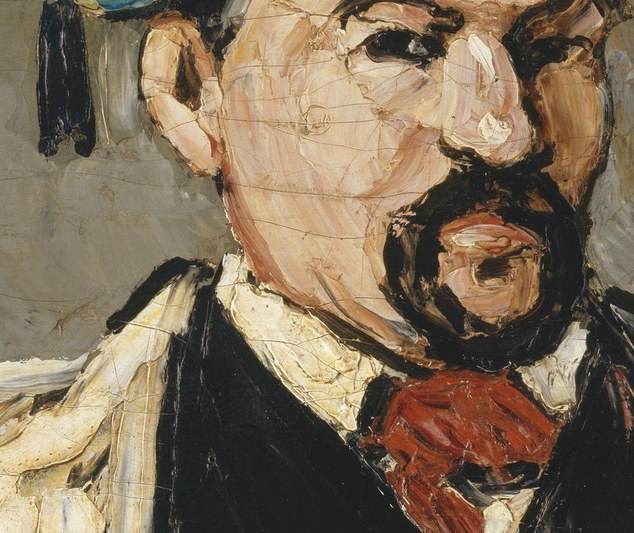
Paul Cézanne's 1866 portrait of his uncle, Antoine Dominique Sauveur Aubert, captures a powerful presence through bold brushstrokes. Titled 'L'Homme au bonnet de coton,' this early work is a striking example of Realism and is held at The Metropolitan Museum of Art.
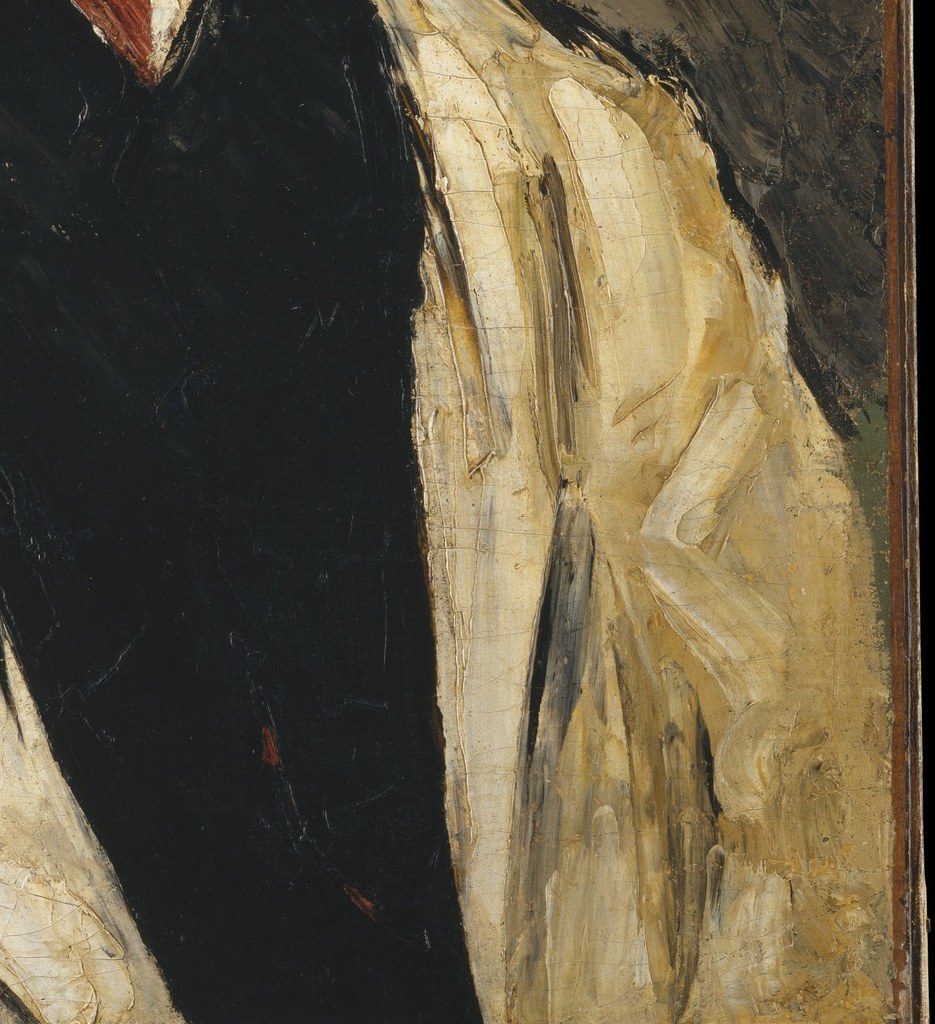
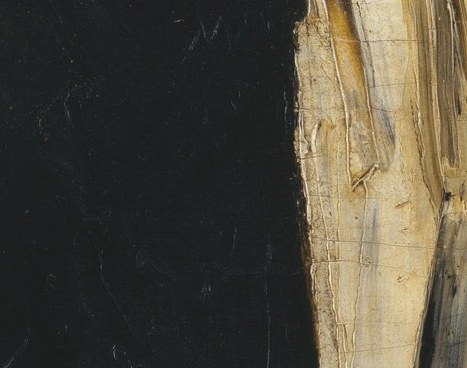
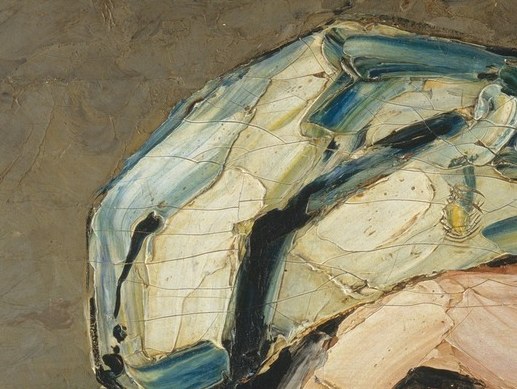
Notice the robust application of paint, especially in the white draped robe. Cézanne's distinctive impasto technique gives the fabric a tactile, almost sculptural quality, making the elements appear vibrant and three-dimensional. This method would later influence his groundbreaking work that bridged Impressionism and Cubism.
Cézanne, a French Post-Impressionist painter, created this piece during his formative years. It offers a glimpse into his initial artistic explorations before he developed the unique approach to form and color that would profoundly shape modern art.
What do you see in the direct gaze of his uncle?
Details
Transcript
This is the artist's uncle, painted early in his career. The painter was Paul Cézanne, just getting started in 1866. Look at the thick, almost sculpted paint of his white robe. Cézanne used these visible brushstrokes to build volume. His uncle's direct gaze holds you in this early work.