Peasant Woman by Pissarro, Camille
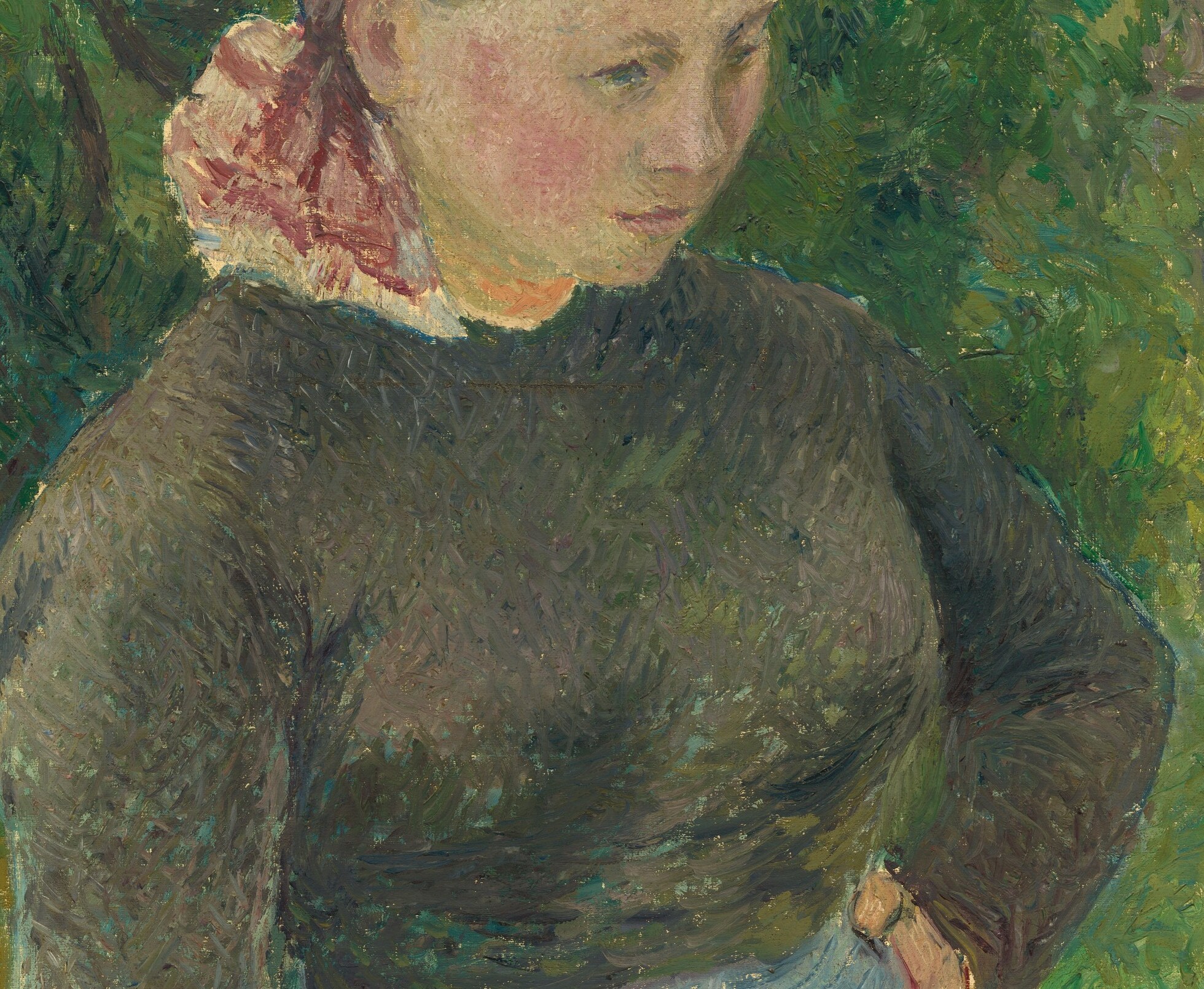
Camille Pissarro’s “Peasant Woman,” painted in 1880, caused a quiet scandal in its time. While today it seems like a straightforward portrait, its subject matter, an unidealized working-class woman, challenged the prevailing artistic tastes of the late 19th century.
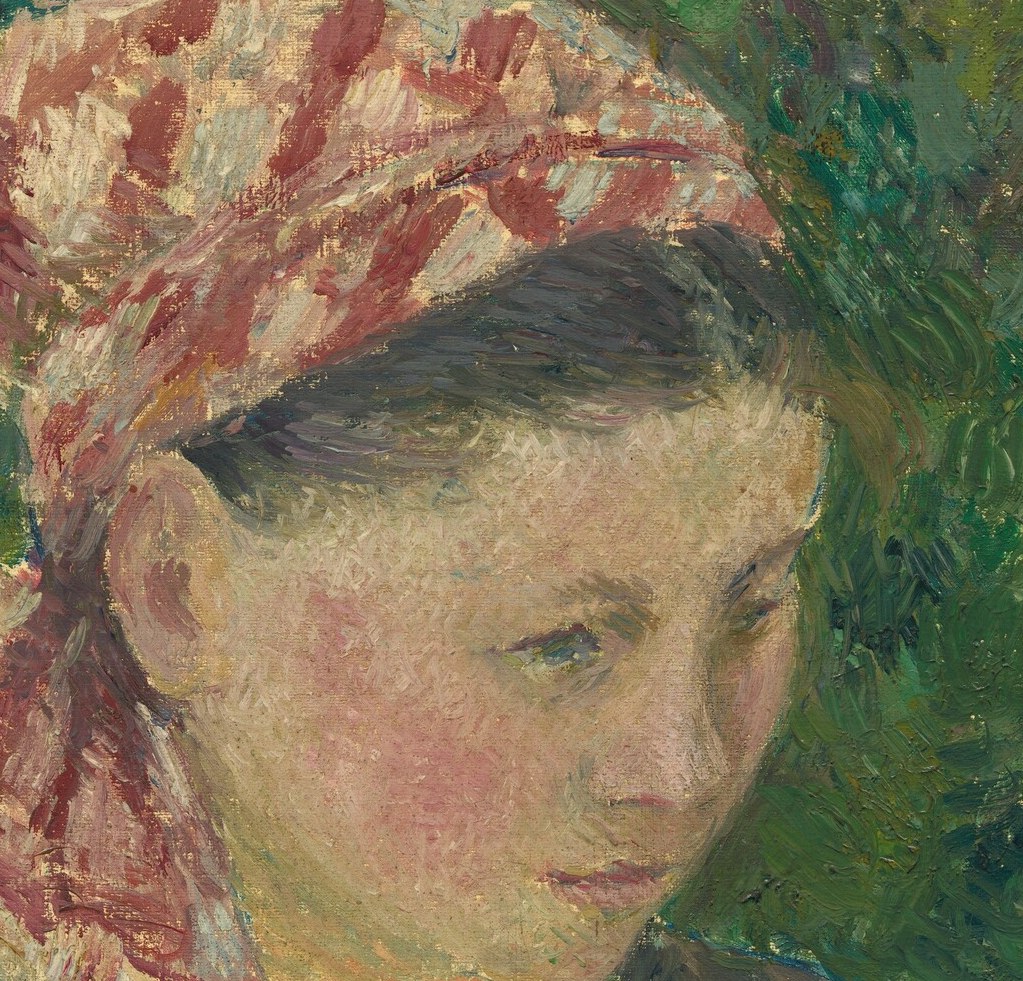
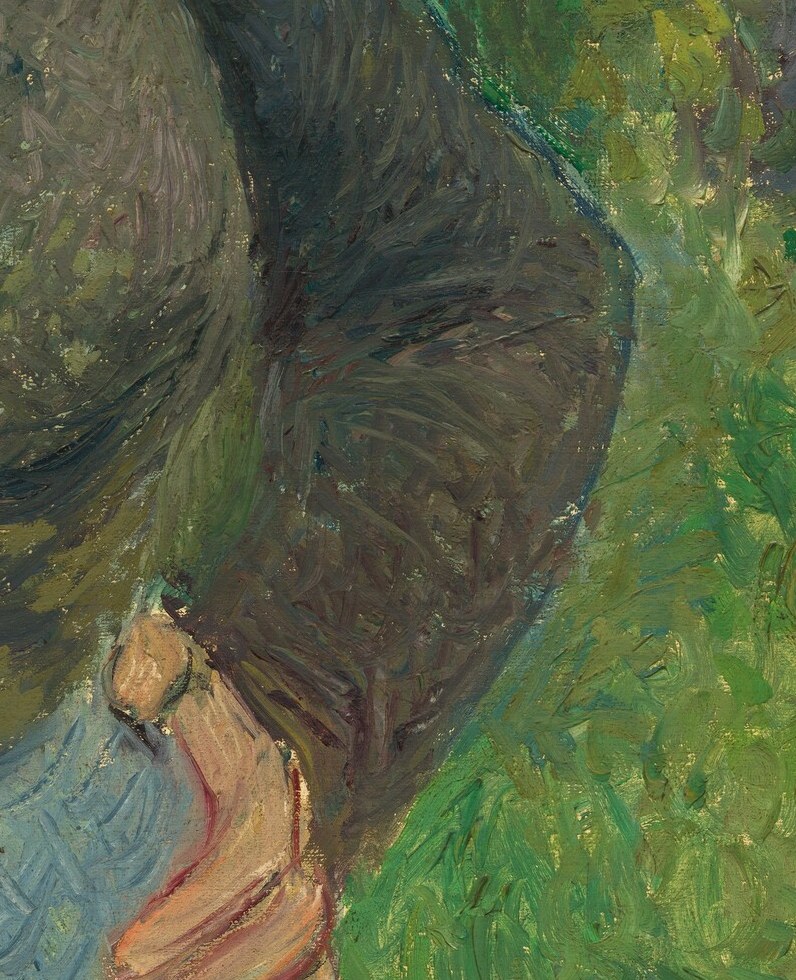
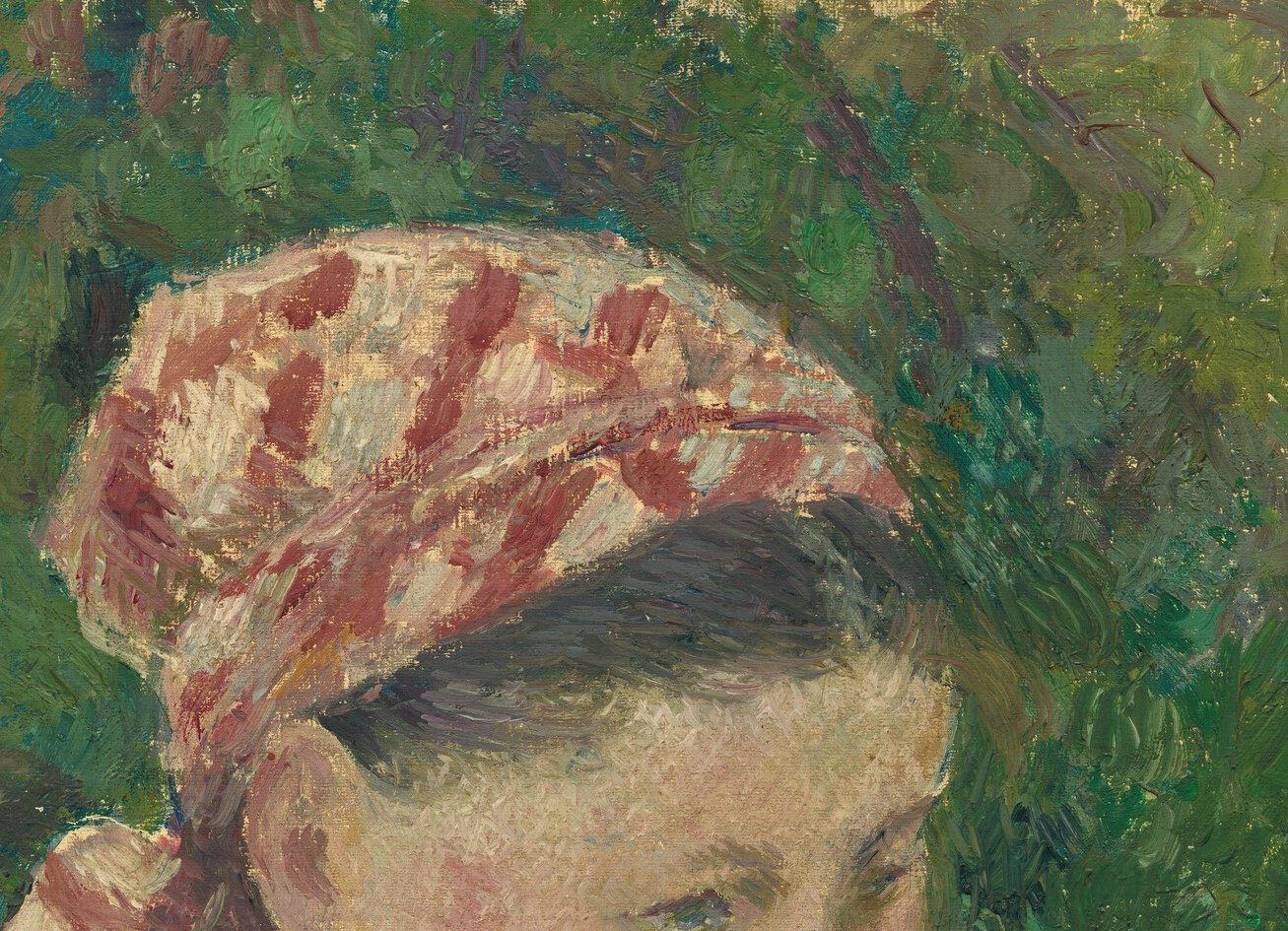
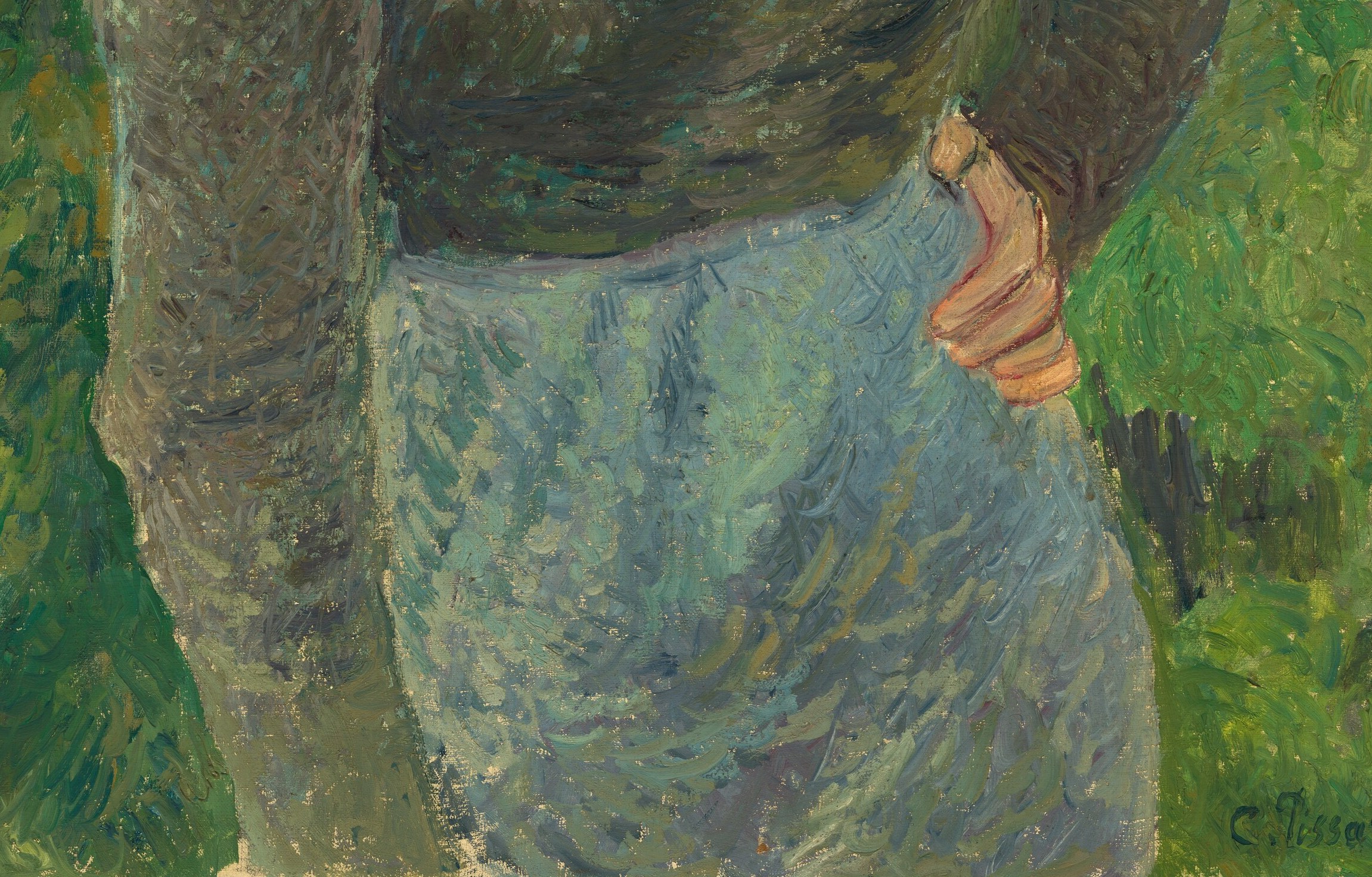
Look closely at her expression and pose: her downcast face and hand on her hip convey a sense of dignity and everyday self-possession, far from the dramatic or romanticized figures often seen in art salons. Pissarro’s choice to depict her in her simple, practical attire further emphasized a dedication to showing life as it truly was.
The Impressionists, including Pissarro, were known for breaking from academic tradition, and this painting is a clear example of that rebellion. By elevating an ordinary peasant woman to the subject of a serious portrait, Pissarro made a statement about the value and beauty found in everyday existence and labor, quietly pushing the boundaries of what was considered worthy of art.
What do you see in her quiet strength?
Details
Transcript
This is a simple portrait of a peasant woman. But in 1880, it was considered a shocking painting. The art world wanted idealized figures, not real laborers. She wears no finery, only her everyday working clothes. Her stance is one of quiet self-possession. The painter was pushing for art that reflected true life.