Boy with a Greyhound by Paolo Veronese
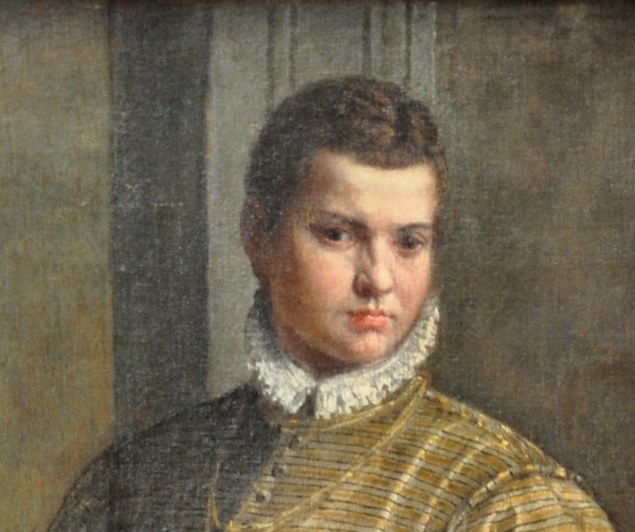
Paolo Veronese's "Boy with a Greyhound," painted in 1570, is a masterful portrait from the Mannerist period, now held at The Metropolitan Museum of Art. Though Veronese was famous for vast, dramatic religious and mythological scenes, this painting shows his exquisite skill with a more intimate subject.
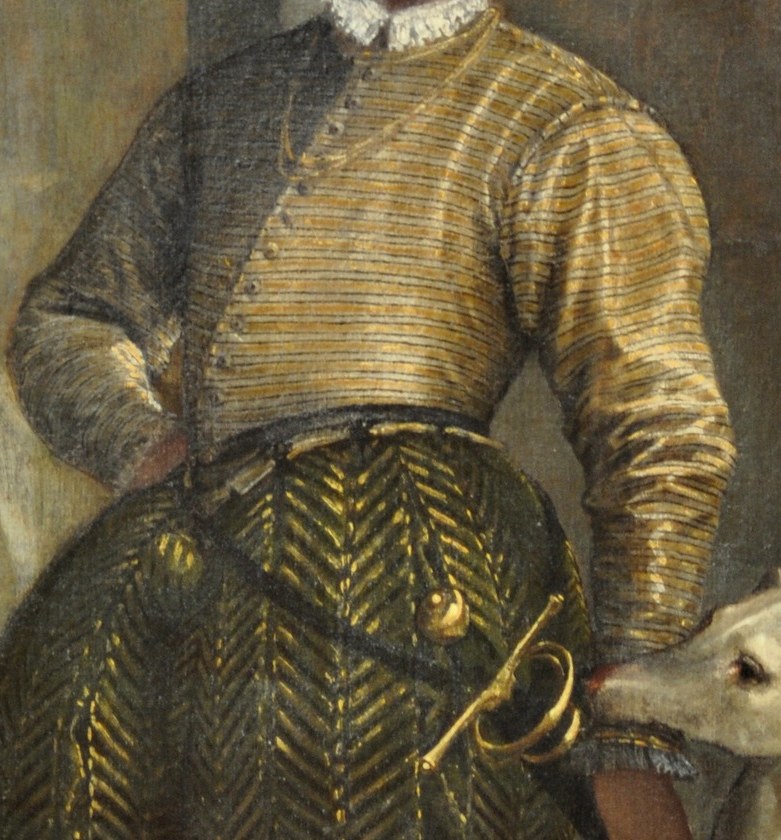
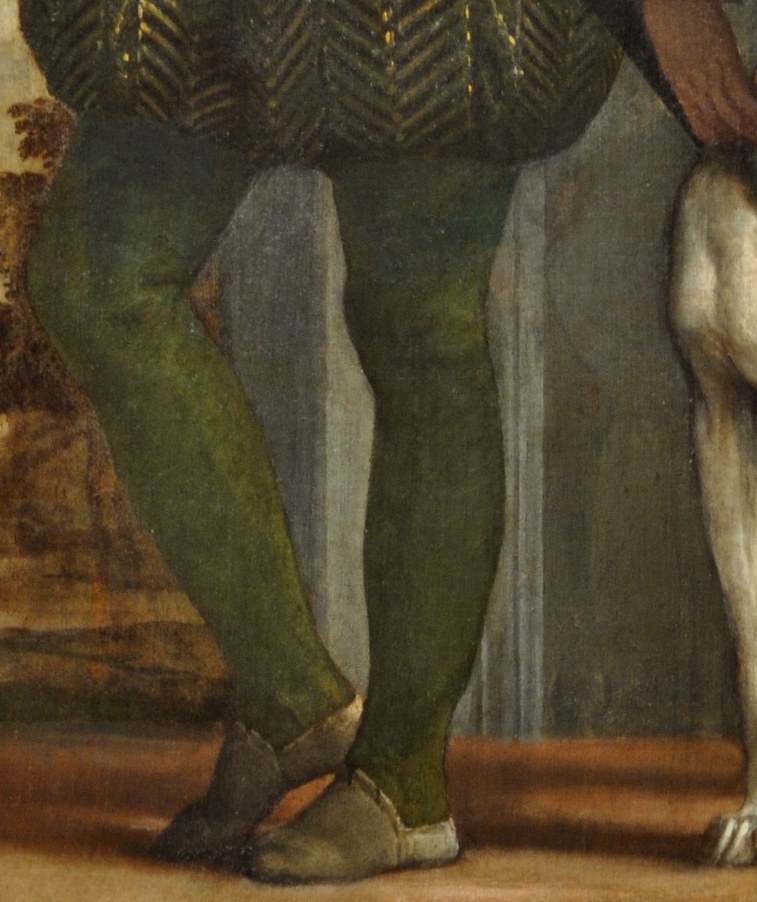
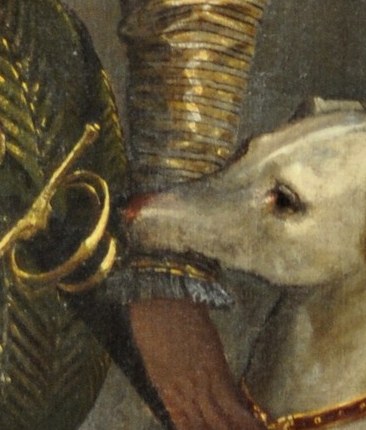
Look closely at the boy's gold and black slashed doublet; such elaborate clothing was a clear indicator of high social status in 16th-century Venice. The elegant greyhound, a symbol of noble breeding, looks up at its young master, reinforcing a sense of quiet authority and companionship.
Veronese, a leading figure of the Venetian school, applied his characteristic command of color and light to this work, showcasing both the individual and the social customs of the late Renaissance. His meticulous attention to detail and rich textural rendering make this a captivating piece.
What details do you notice first in this subtle yet powerful portrait?
Details

Transcript
This young boy was painted by a master of grand, dramatic scenes. But here, Veronese focused on quiet elegance and status. Only the very wealthy could afford such an intricate, slashed doublet. His greyhound signals noble breeding, a faithful companion. Even the dog's attentive gaze reinforces their subtle dynamic. This painting resides at The Metropolitan Museum of Art.