Head of a Young Woman by Jean-Baptiste Greuze
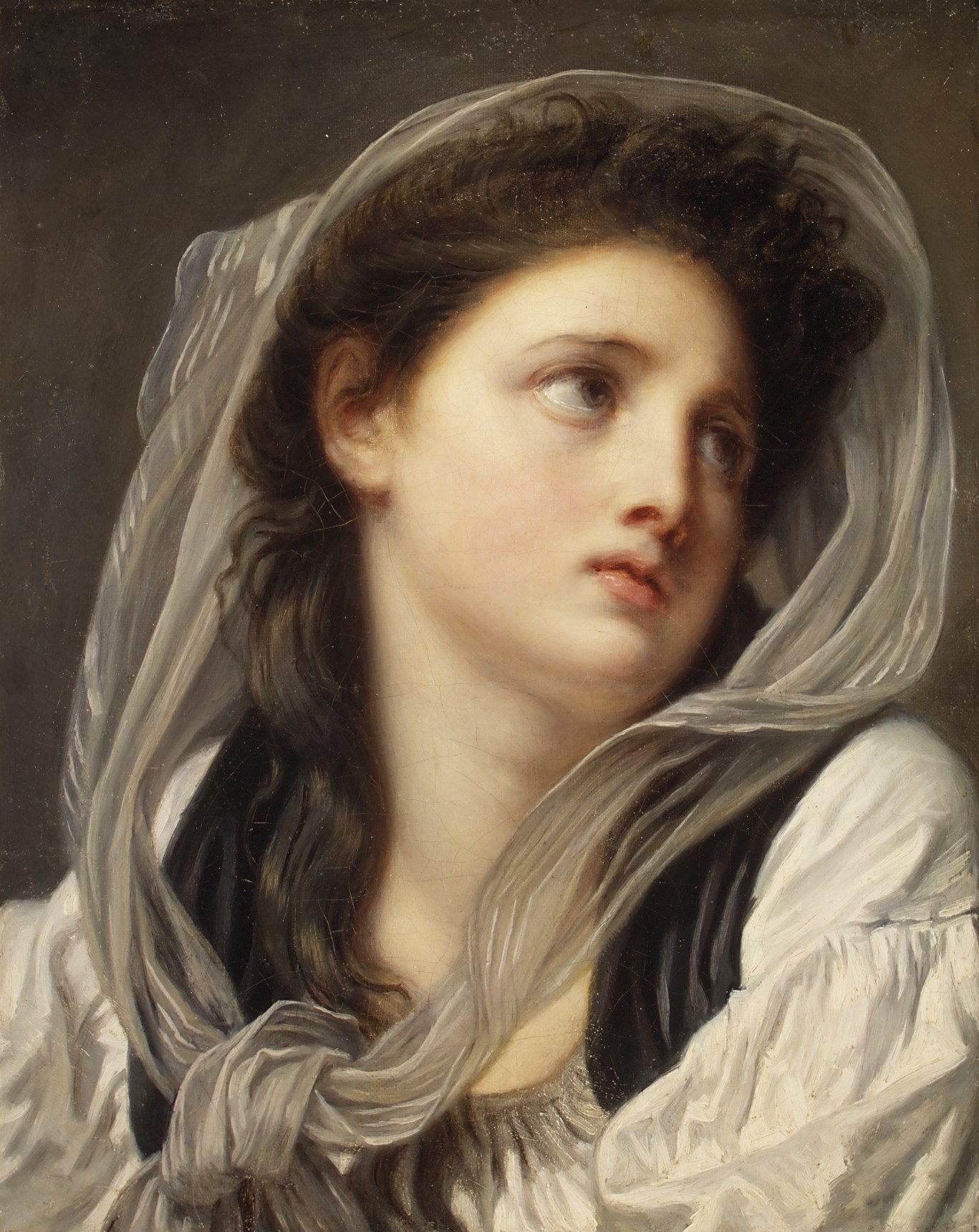
Jean-Baptiste Greuze's "Head of a Young Woman," painted around 1792, is a masterclass in rendering delicate textures with oil paint, and it's held by The Metropolitan Museum of Art.
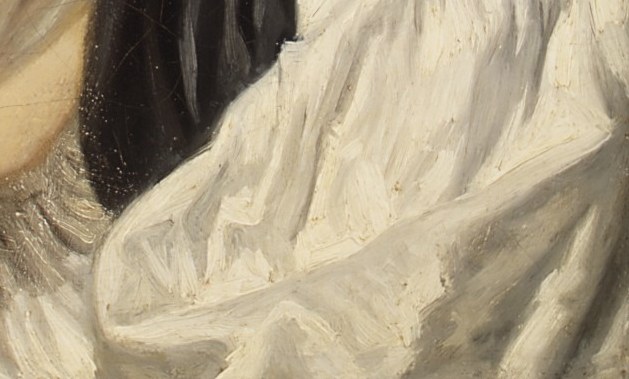
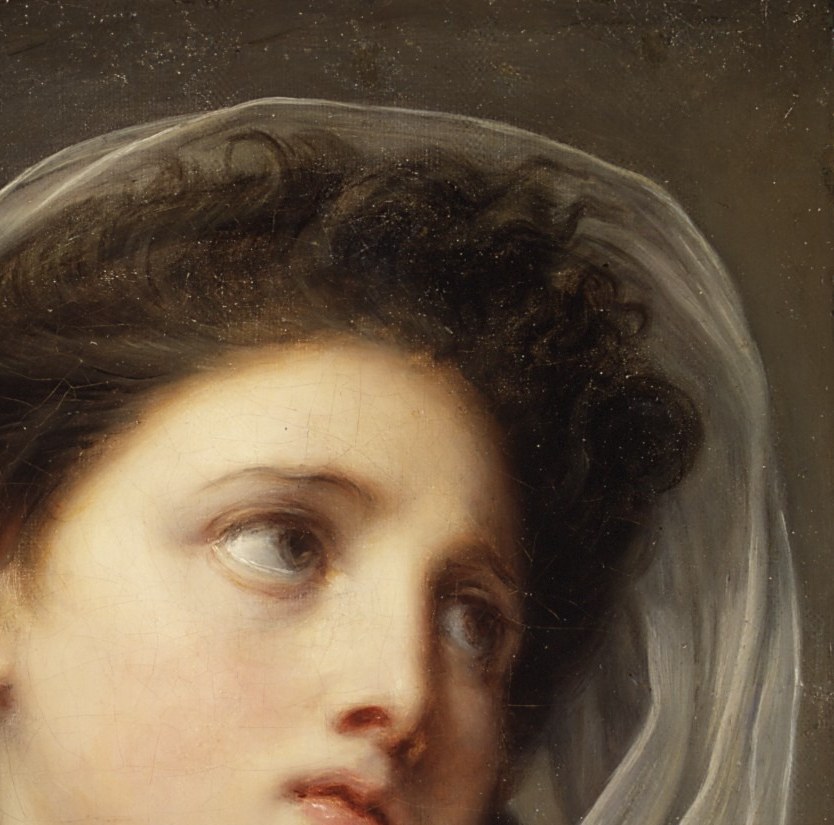
Notice the detailed ruffled collar, showcasing the artist's ability to capture the crisp folds of fabric. But the true feat lies in the translucent veil that gently covers her hair. Greuze uses incredibly fine, almost invisible brushstrokes to create the illusion of sheer fabric, allowing the light to play through it.
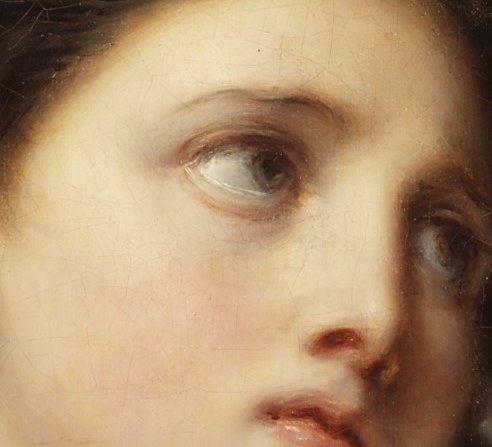
This painting exemplifies Greuze's refined technique, characteristic of the Rococo period. He was known for his ability to convey emotional depth while simultaneously demonstrating exceptional control over his medium, especially in capturing the subtle nuances of light and texture. The stark contrast between the luminous figure and the dark background, a technique called chiaroscuro, further enhances these delicate details.
How do you think he achieved such transparency with opaque oil paints?
Details
Transcript
This painter was famous for capturing delicate textures. See how the light catches the ruffled collar of her dress. But the real trick is the sheer, gauzy veil over her hair. It’s made of impossibly thin strokes of paint, barely there. His brushwork makes the veil almost disappear into the light. Yet you can still see her dark hair, perfectly muted, underneath.