Sir Henry Capel (1638–1696) by Peter Lely
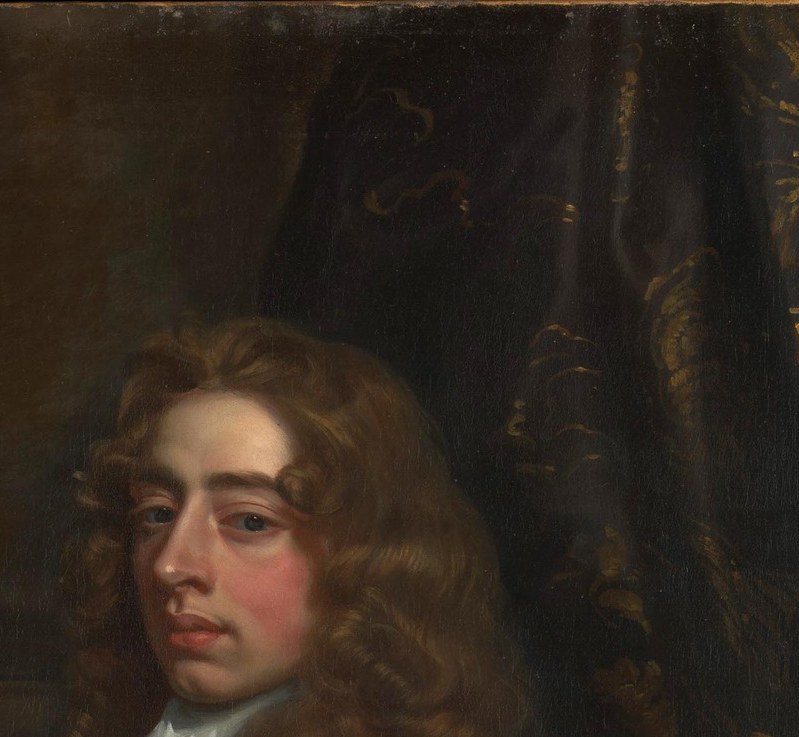
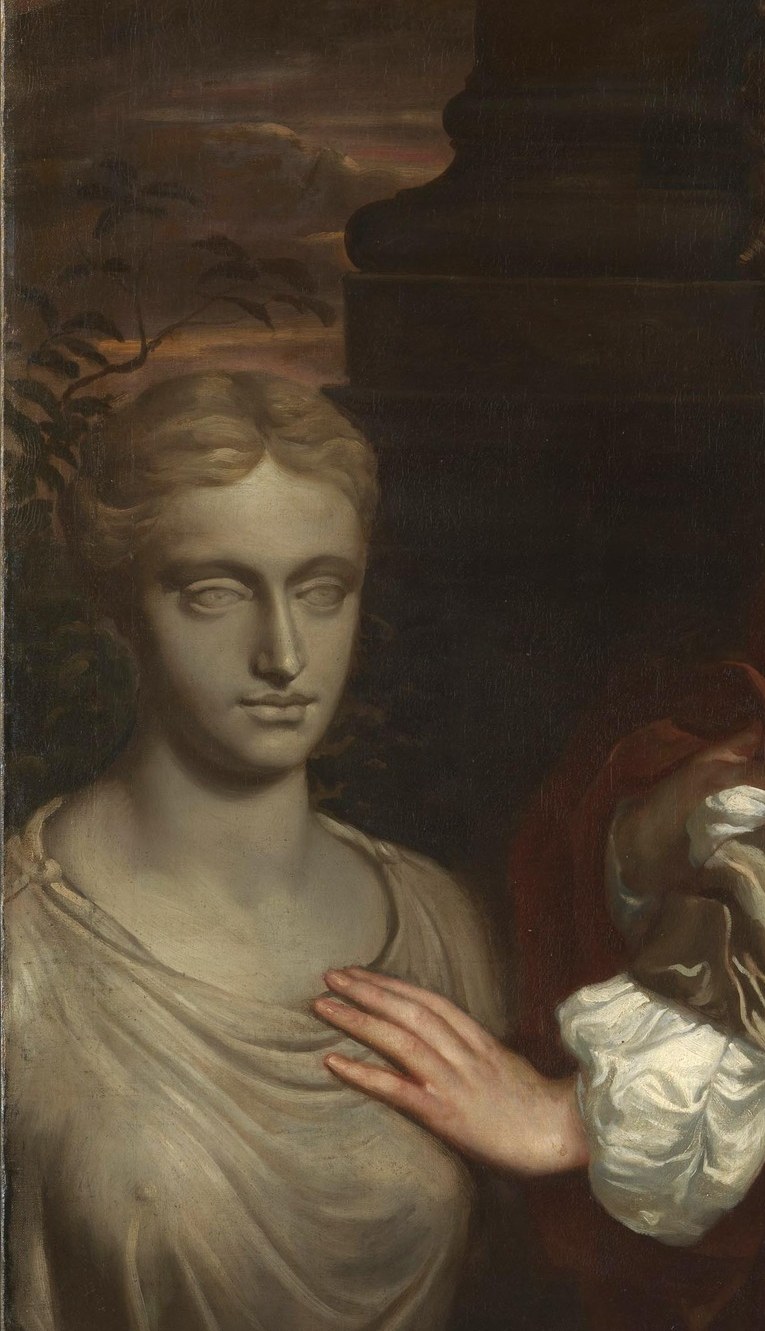
Sir Henry Capel, painted by Peter Lely around 1659, hangs in the Metropolitan Museum of Art. But a version of this very portrait detonated an art-market drama in 2019. Offered at a small auction house, the painting was catalogued as a work of Lely and given a $600,000 estimate. Then the bottom fell out.
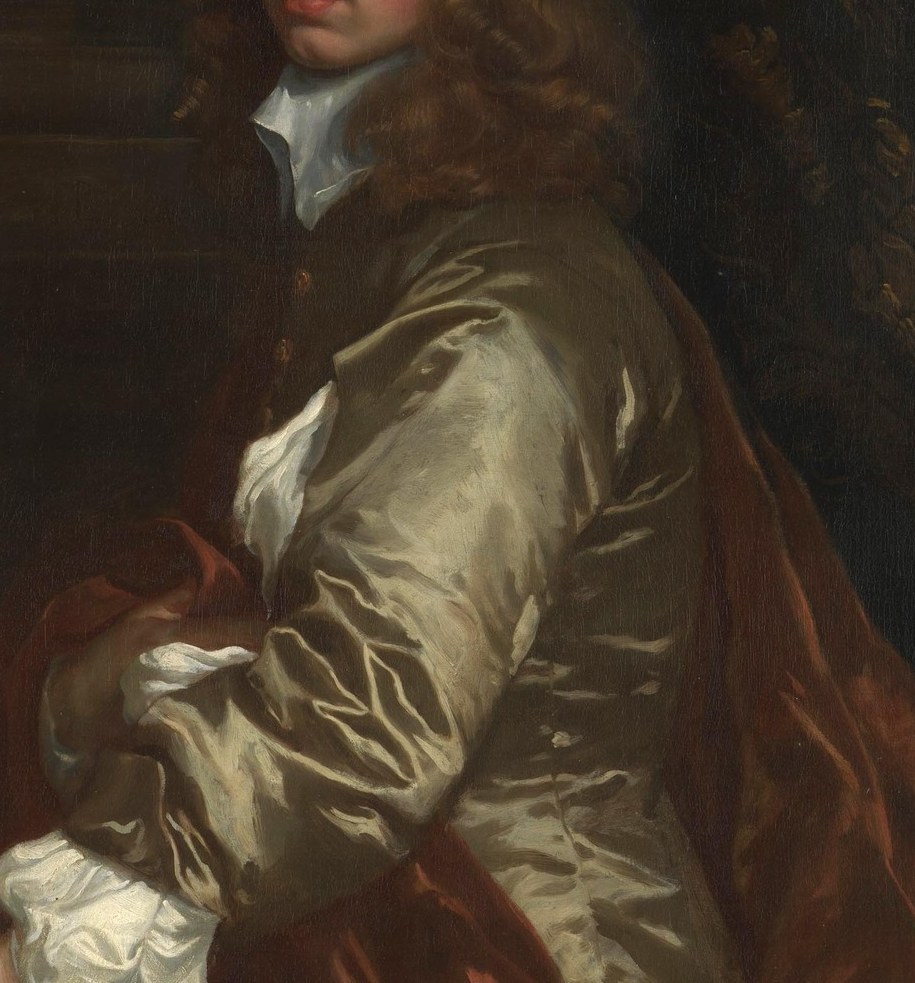
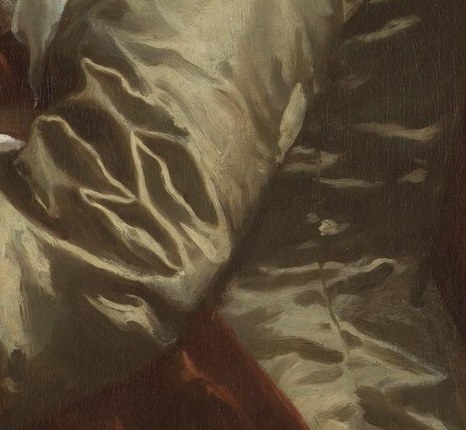
Look at the golden-brown velvet sleeve and the white lace cuff. This is Lely at his absolute best, the Flemish Baroque style he brought to the English court. That shimmer of crushed velvet against the deep shadow is the hand of a master. The sitter's direct gaze, the loose glove, the sculptural bust behind him: every element announces power and taste.
Sir Henry Capel was a savvy political operator who navigated the Interregnum and the Restoration, eventually becoming Baron Capell of Tewkesbury. Lely by then was the preeminent portraitist to the court, a knighted Dutch painter who defined the look of the English aristocracy. But the auction lot had a mortal flaw. It was listed 'without reserve' because a single crucial piece of provenance was missing, and experts had quietly raised doubts about whether the brush was Lely's or a studio assistant's.
It hammered for just $68,750. A collector who believed the face and the fabric told a different story snapped it up. It later sold privately through a prominent gallery, presumably for a sum far closer to what Lely's hand actually commands. The Met's version remains safe. The one that nearly slipped away? That is a story about what happens when confidence evaporates in a room full of bidders.
Details
Transcript
At auction in 2019, this portrait sold for just $68,750. The estimate had been $600,000. The sitter is Sir Henry Capel, a political survivor of the Stuart court. Painted by the king's own portraitist, Peter Lely. So why did bidders run? A single line in the catalog. It was offered 'without reserve' after doubts about Lely's hand. The original glory is visible here, in the shimmer of crushed velvet. But a thrifty buyer saw what others missed. It sold again privately.