Portrait of a Man by http://www.wikidata.org/.well-known/genid/ccfdd55fa519883064142cfa22034b78
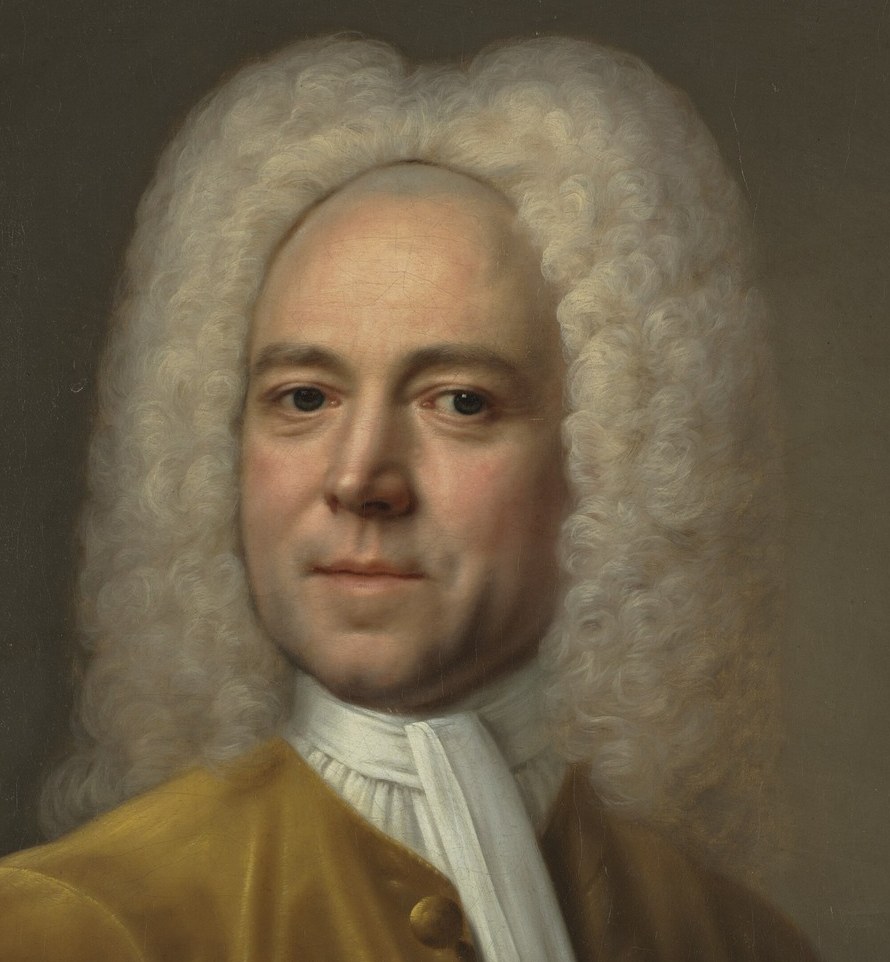
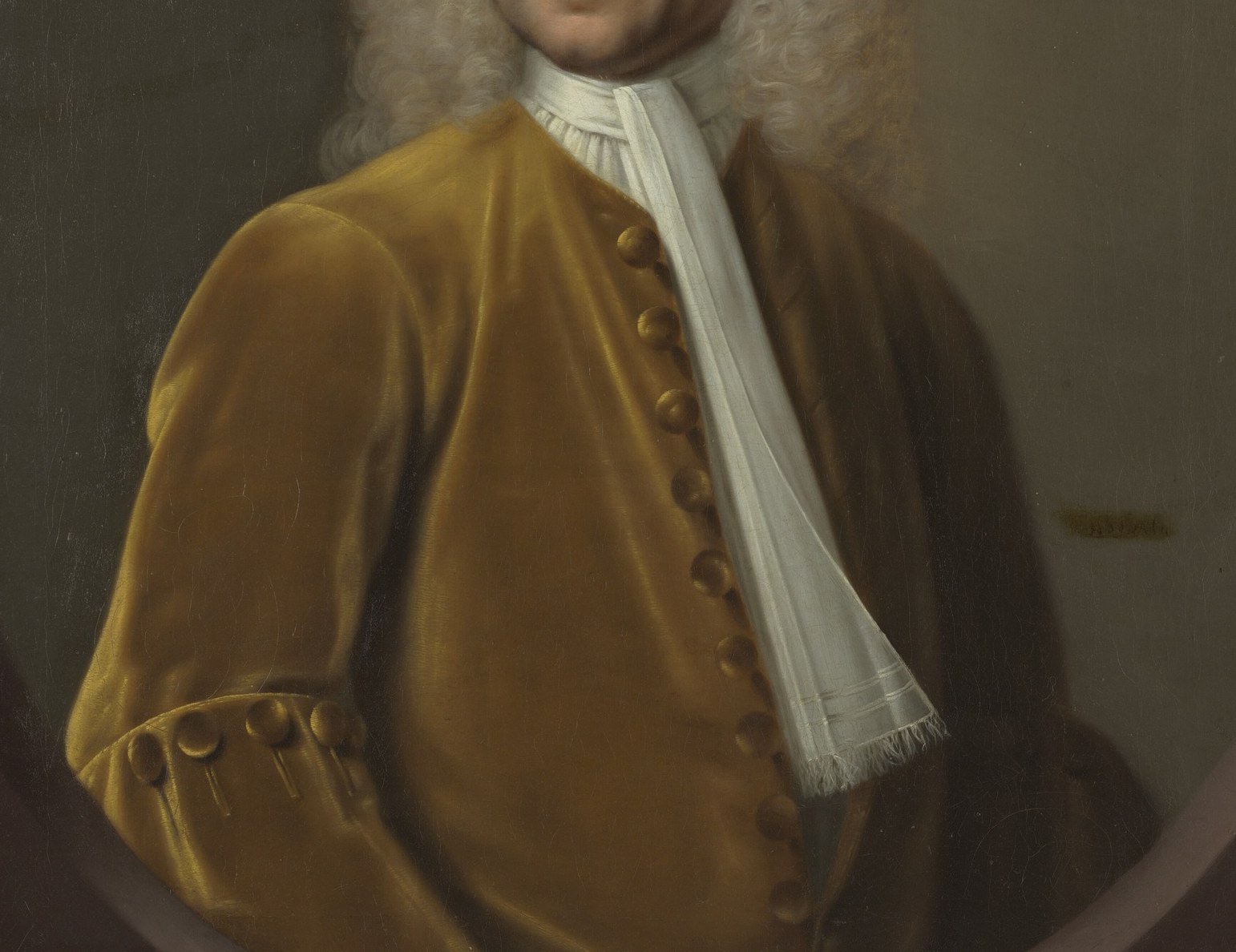
This "Portrait of a Man" by Louis de Silvestre, painted around 1730, offers a fascinating glimpse into the societal norms and fashions of the early 18th century. Currently housed in a private collection, it exemplifies the portraiture style of its era, emphasizing individual representation through meticulous observation.
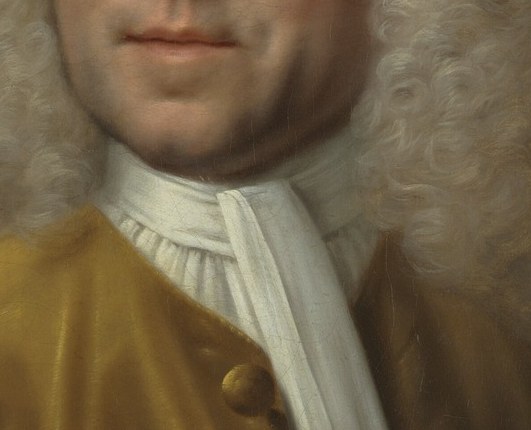
Look closely at the details that define his status: the voluminous white wig, a prominent indicator of wealth, and the crisp white cravat, a quintessential fashion accessory of the time. The rich texture and golden buttons of his coat further speak to the sitter's importance, all rendered with de Silvestre's characteristic precision.
Louis de Silvestre (1675-1740) was a French painter, known for his portraits, who spent a significant part of his career as the court painter to Augustus II the Strong of Poland and Saxony. This painting, created after his return to France, reflects the sophisticated portraiture techniques he perfected.
The sitter's calm, composed posture and direct gaze bridge the centuries, inviting us to ponder the life of this anonymous man from a bygone era. What stories might his eyes tell?
Details

Transcript
This man posed for his portrait around 1730. His white wig was a sign of status and wealth then. The cravat, too, was an essential fashion accessory. Notice the rich texture of his gold coat and buttons. This painter was known for capturing such details precisely. His direct gaze invites us into a moment from 300 years ago.