Cassone with painted front panel depicting the Conquest of Trebizond by Apollonio di Giovanni di Tomaso|Marco del Buono Giamberti
View the artwork: Cassone with painted front panel depicting the Conquest of Trebizond →
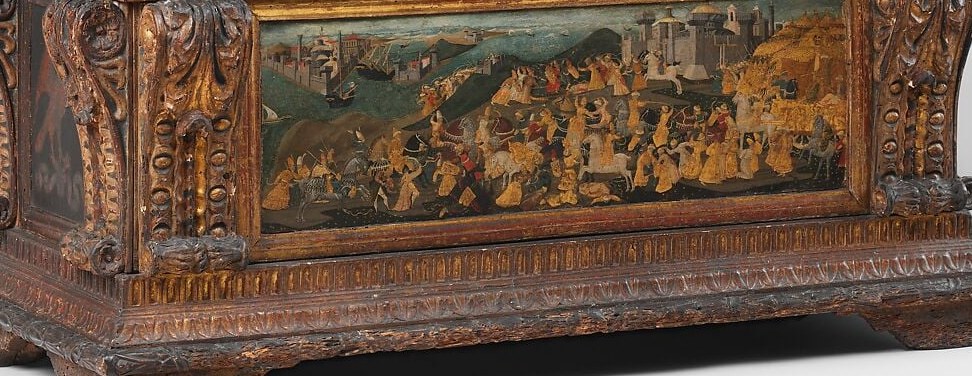
This is the "Cassone with painted front panel depicting the Conquest of Trebizond," painted in tempera and gold by the workshop of Apollonio di Giovanni around 1461. The panel shows a turbaned commander in a triumphal chariot before a walled city. For decades, the Metropolitan Museum identified this figure as Mehmed II, the Ottoman sultan who conquered Trebizond. The painting seemed to document a contemporary event, a rare thing on a marriage chest.
Look closely at the chariot. In 1980, an infrared examination revealed a previously invisible inscription identifying the victor not as Mehmed, but as Tamerlane, the Mongol emperor who had decisively defeated the Ottomans at Ankara in 1402. Trebizond itself fell to Mehmed without a battle in 1461. The panel is therefore not a record but an argument: it stages a past victory against the backdrop of a recent loss, transforming a domestic object into a coded message of political hope.
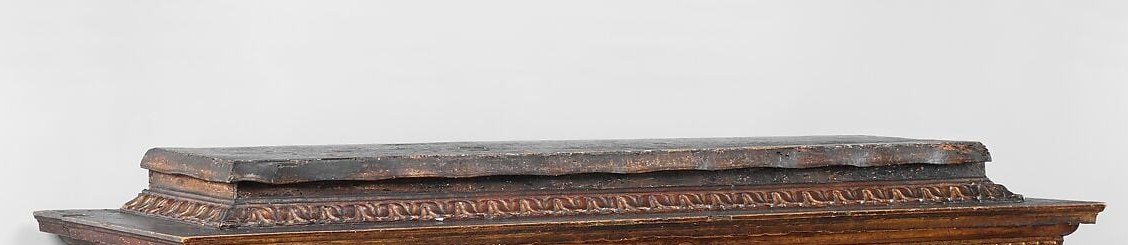
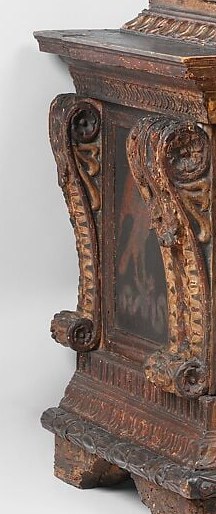
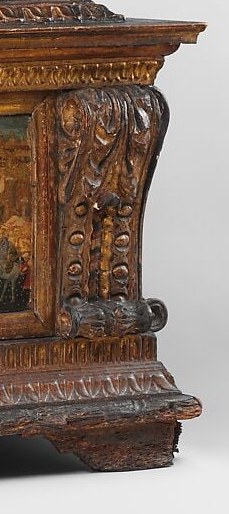
The chest was acquired in 1913 from the dealer Stefano Bardini, and a 2008 technical study added another layer: the painted front panel likely comes from a different chest entirely. The original chest still bears Strozzi family emblems. The commission intersected with real Florentine anxiety after an accord established a trading presence in Trebizond in 1460, only for the city to capitulate months later. The workshop responded not with reportage, but with a wish painted in gold.
For nearly seventy years, the lie held. A wedding chest had been speaking truth to power all along, scholars just needed the right light to hear it.
#arthistory #renaissance #florence
Details

Transcript
In 1913, the Met bought a rare treasure. A Florentine wedding chest showing a conquering sultan. The turbaned victor parades captives before Trebizond. For decades, scholars named him Mehmed II, the Ottoman. Then, in 1980, infrared revealed a hidden inscription. It names him Tamerlane, the Mongol who crushed the Ottomans in 1402. The painting was not a record. It was a wish. A veiled argument that Ottoman power could be reversed.