Apples and Grapes by Claude Monet
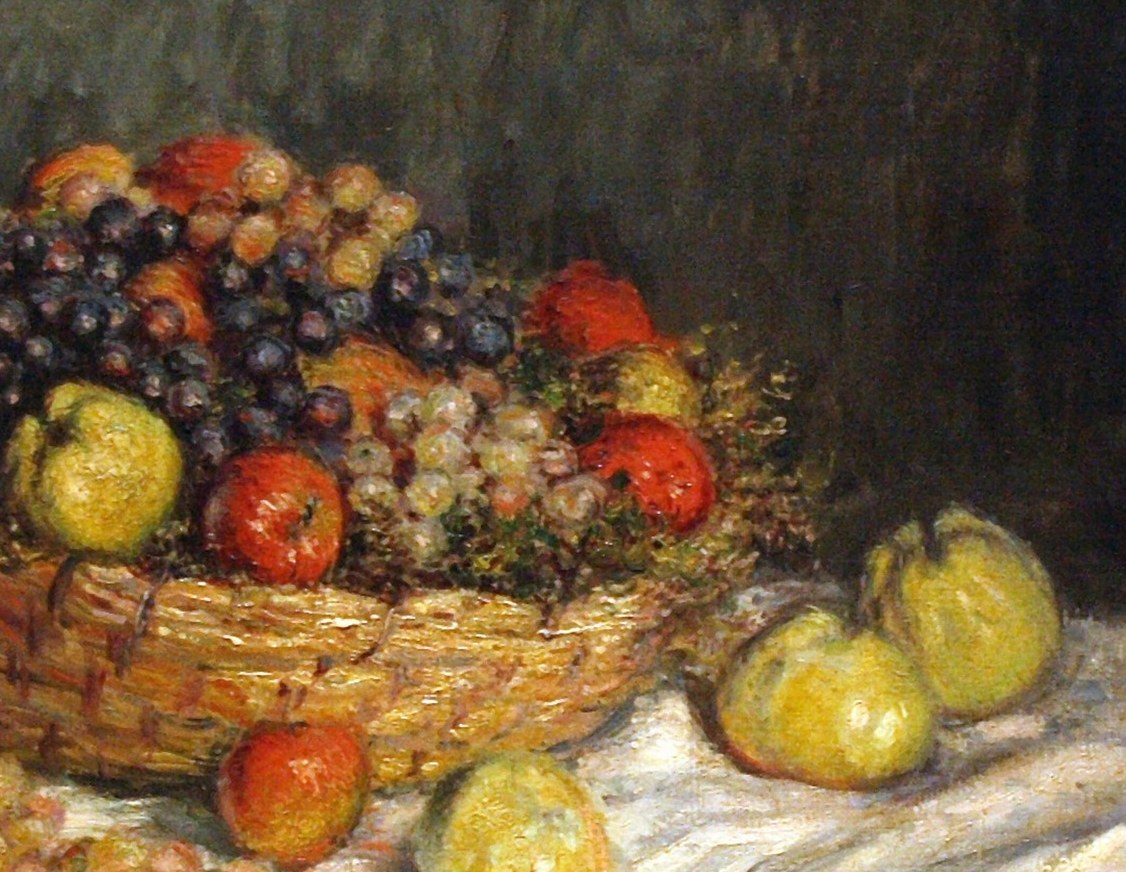
Claude Monet painted 'Apples and Grapes' in 1880, knowing that the jury of the official Paris Salon would find it infuriating. At the time, the Salon was the gatekeeper of a painter's entire livelihood, and they demanded smooth, invisible brushwork and classical finish. Monet gave them something else.
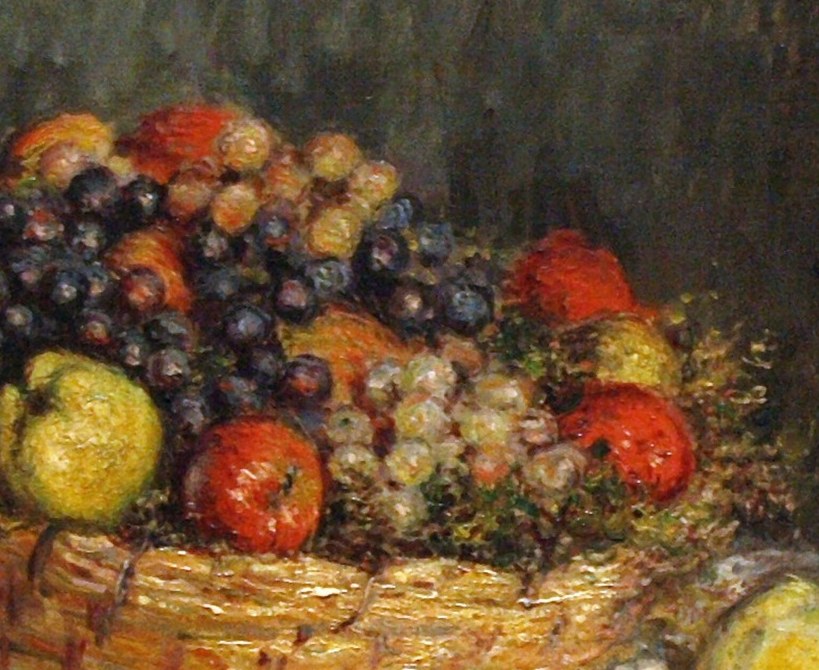
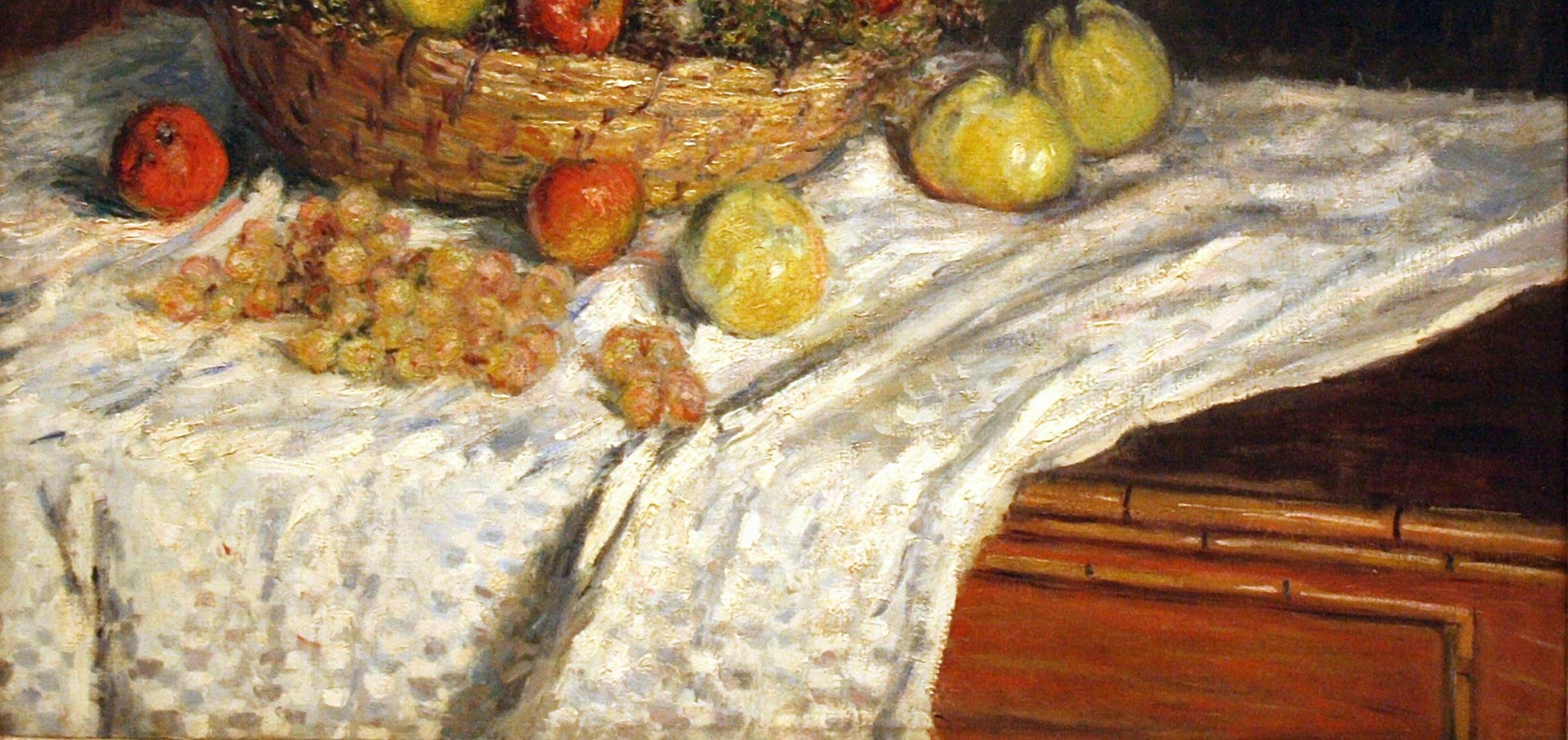
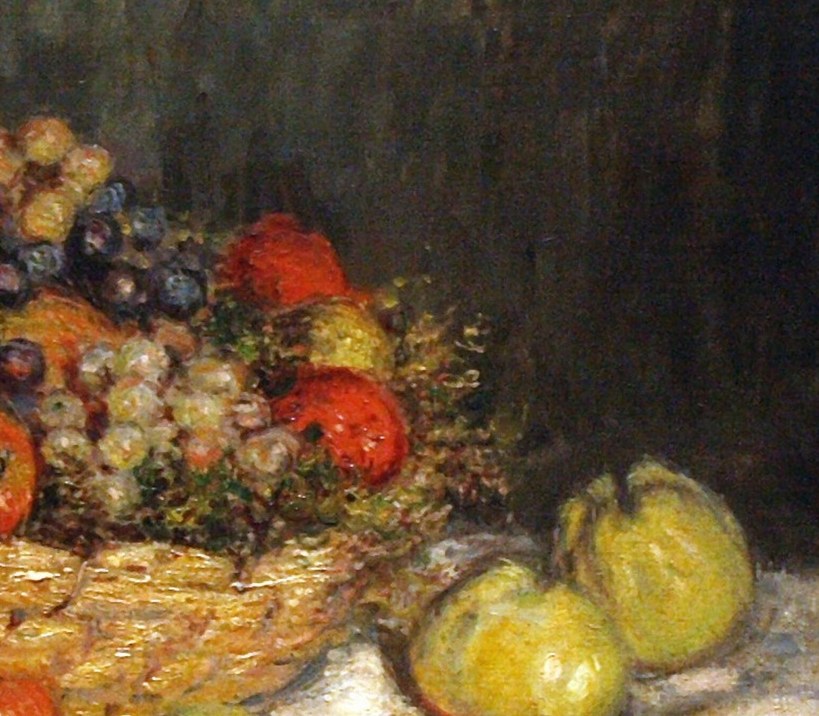
Look directly at the cluster of dark grapes in the basket and the folds of the white cloth. Monet did not blend his edges. He built the fruit with thick, distinct dabs of paint, what critics called 'impasto', and he rendered the shadows in the cloth not with black, but with lavender and cool grey. To the Salon's jury, this looked like raw chaos.
The painting was rejected. It was a professional blow, but it was also the last straw. Monet and his circle, Renoir, Pissarro, Degas, had already founded the Impressionist exhibitions as an alternative, and after this rejection Monet stopped submitting to the Salon entirely. The official art world that had shaped his early career lost him for good.
A still life of grapes and apples seems gentle. But right here, it marks the moment the Impressionists stopped knocking on the door and built their own house instead.
Details
Transcript
A basket of fruit, simple, generous, inviting. He painted it in 1880, while the Paris Salon still ruled careers. But the thick, visible brushwork was an act of rebellion. The Salon called this unfinished. Sloppy. A scandal, not a painting. They rejected it, and Monet never submitted to them again. The fruit he painted is still here. The Salon that refused it is gone.