A Basket of Flowers by Jan Brueghel, the elder
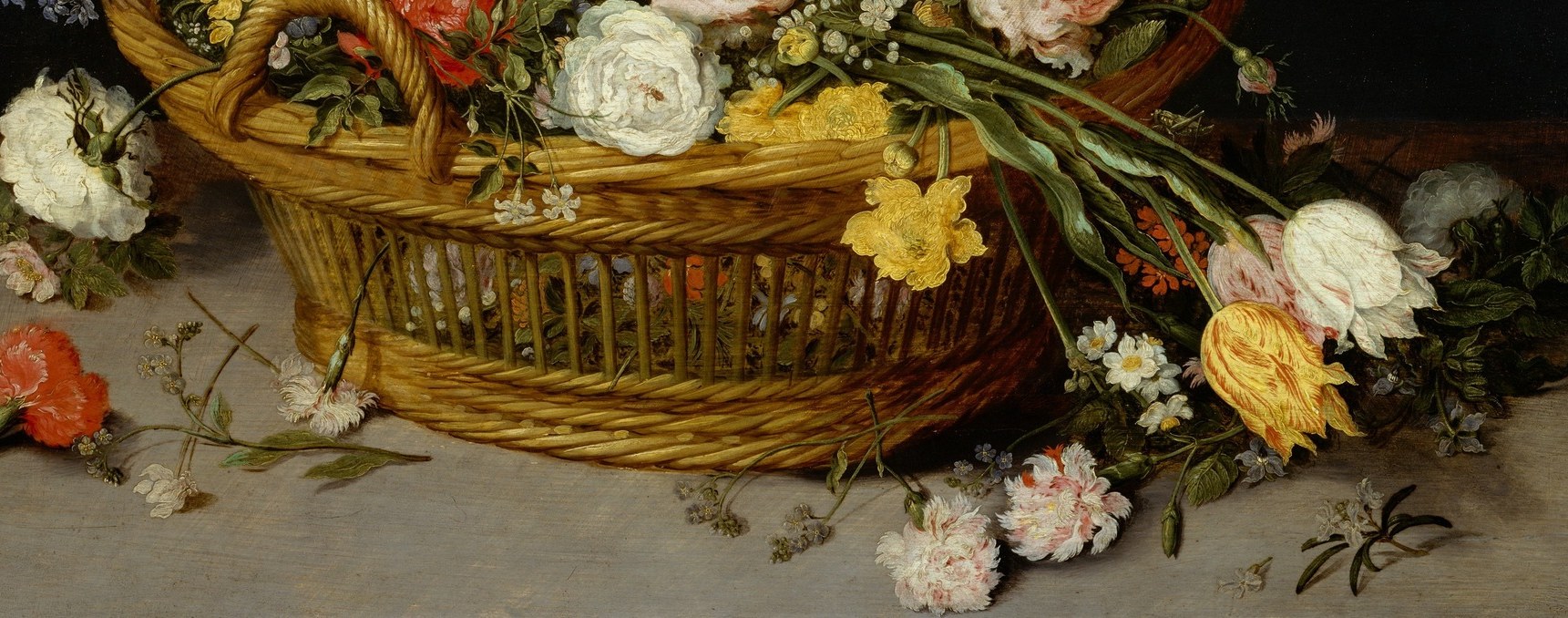
Jan Brueghel the Elder's 'A Basket of Flowers' (1624) is a painting built on an economic miracle and a spiritual warning. Housed at The Metropolitan Museum of Art, it captures a moment during Tulip Mania, the speculative frenzy where a single rare bulb could sell for ten times a craftsman's annual income. This canvas is essentially a portrait of impossible wealth painted in petals.
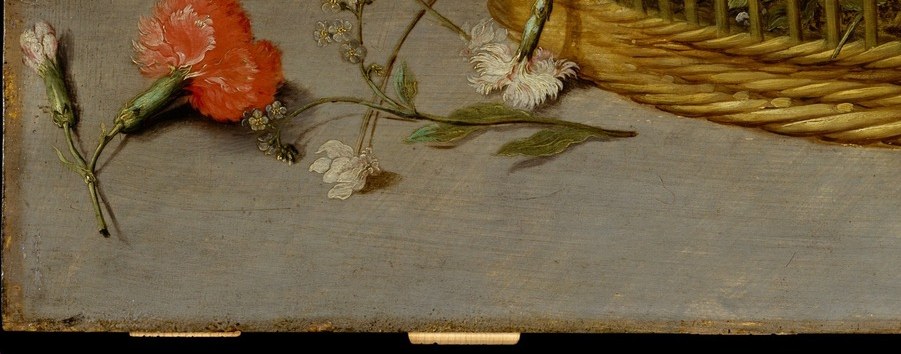
Look first at the striped tulip on the right: known as a 'broken' tulip, its flame-like patterning was caused by a mosaic virus, making it the most coveted and ruinously expensive flower of the era. Then let your eye drop to the scattered blossoms on the ledge below the basket. In Dutch still-life language, these fallen flowers are a memento mori, a whisper of mortality placed directly beneath the opulence.
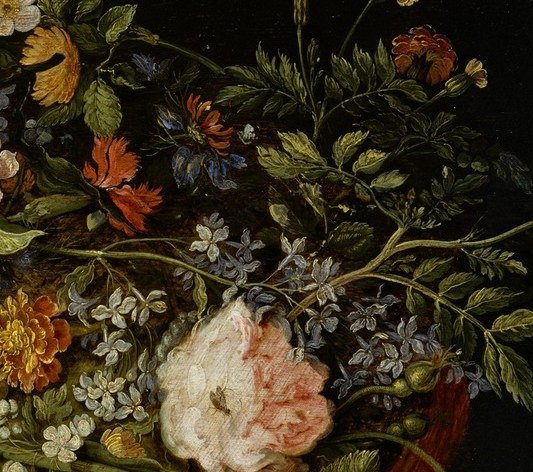
Brueghel, son of the legendary Pieter Bruegel the Elder and a close friend of Rubens, didn't paint this bouquet from life in a single sitting. He worked from detailed botanical studies made over many months, combining blooms that never actually existed together in nature. This allowed him to engineer a fantasy of perpetual spring that collectors would pay handsomely to own, even as the painting itself reminded them that nothing lasts forever.
Next time you see a still life, check the ledge. The warning is usually sitting right there in plain sight.
Details


Transcript
Amsterdam, 1624. A single tulip bulb could cost as much as a grand house. This striped tulip is a 'broken' one, the most valuable flower you could own. The painter, Jan Brueghel, built a career on this: flowers as pure luxury goods. Every petal here is painted from life, across different blooming seasons. Now look down at the ledge. These fallen blooms are a Dutch alarm bell: all this wealth and beauty will die.