Vanitas Still Life by Kessel the Elder, Jan van
View the artwork: Vanitas Still Life →
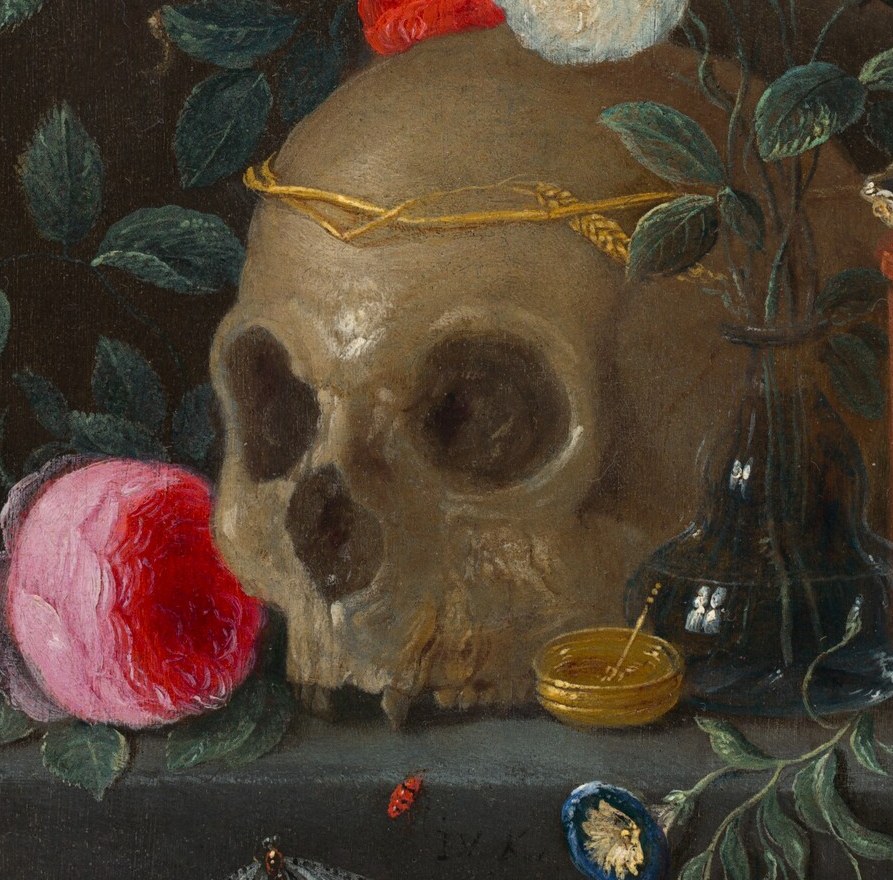
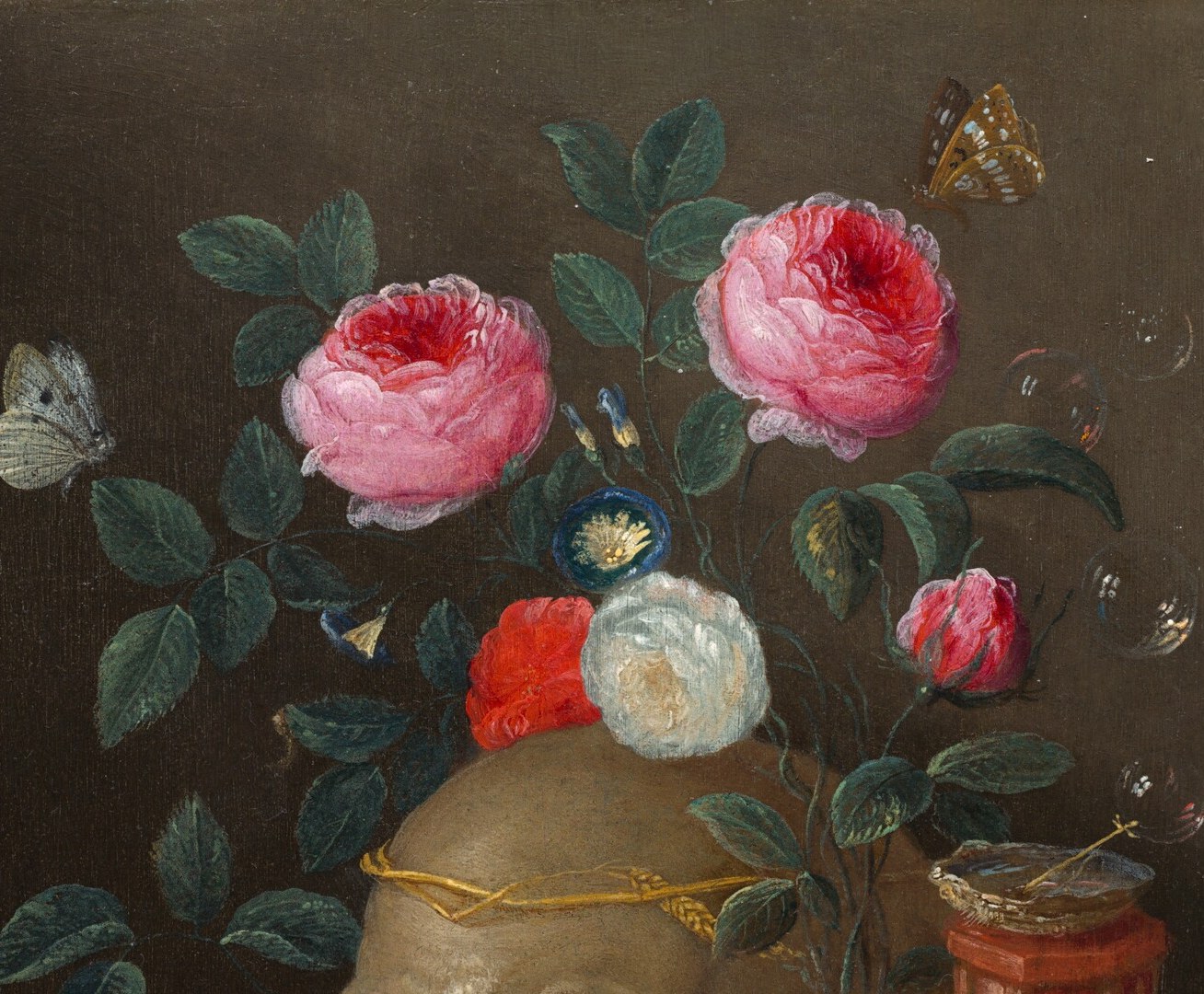
A human skull, flowers at peak bloom, and two butterflies, painted on a copper panel smaller than a sheet of paper. This is Jan van Kessel the Elder's "Vanitas Still Life," made in Antwerp around 1665-1670 and now in the National Gallery of Art, Washington.
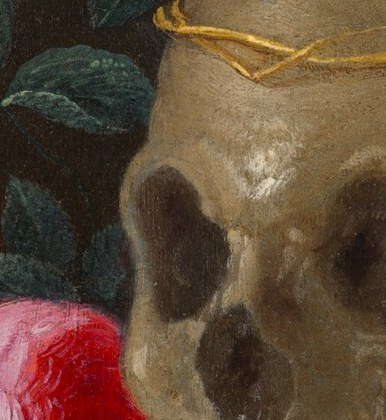
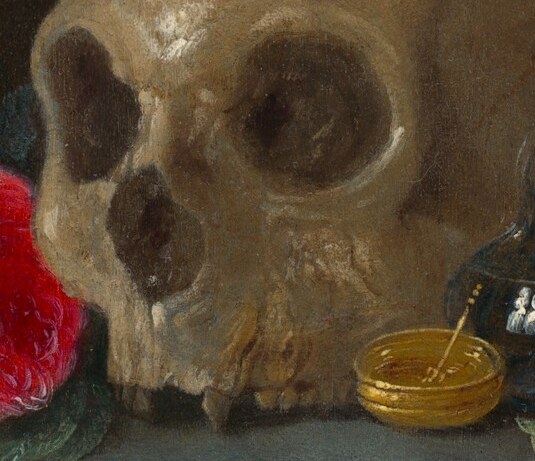
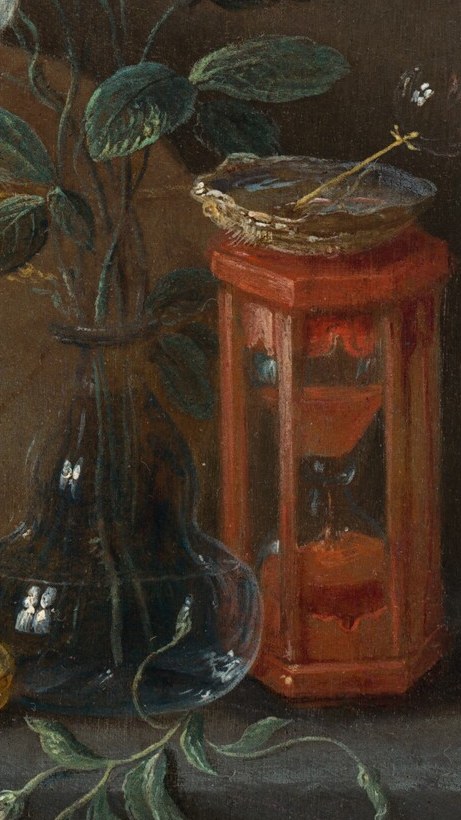
Van Kessel painted it on polished copper rather than canvas. The smooth metal surface allowed him to build nearly invisible brushwork, which is why the ivory-yellow bone of the skull and the delicate wings of the perched butterflies still read with such startling clarity. Look for the small insects scattered across the stone ledge, the artist was known across Europe as a specialist insect painter, and he included flies, beetles, and a moth here as reminders of decay and the cycles of nature. Then find the white butterfly resting in the upper right foliage: in the vanitas tradition, it represents the soul or the hope of resurrection.
The painting belonged to the Adelson Gallery in Boston before entering the collection of Maida and George Abrams, two of the most significant collectors of Dutch and Flemish drawings in the United States. They donated it to the National Gallery of Art in 1995, where it joined a world-class group of Northern still lifes. Van Kessel produced more than three hundred small coppers like this one; many were made to be kept in the drawers of collector's cabinets, meant to be held and examined rather than hung on a wall.
It asks you to look closely at the one thing we all share, and then to notice the life still buzzing around it.
#arthistory #vanitas #flemishpainting
Details
Transcript
A human skull, painted nearly 360 years ago. The artist painted it on copper, not canvas. Polished metal lets him render bone with this precision. Flies and beetles crawl the stone ledge beneath it. Van Kessel was an insect specialist. These are his signature. But vanitas means more than decay. A white butterfly rests above. In these paintings, the butterfly signals the soul, or resurrection. This one has lived in Washington since 1995, a gift from the Abrams family.