Pines Along the Shore by Henri Edmond Cross
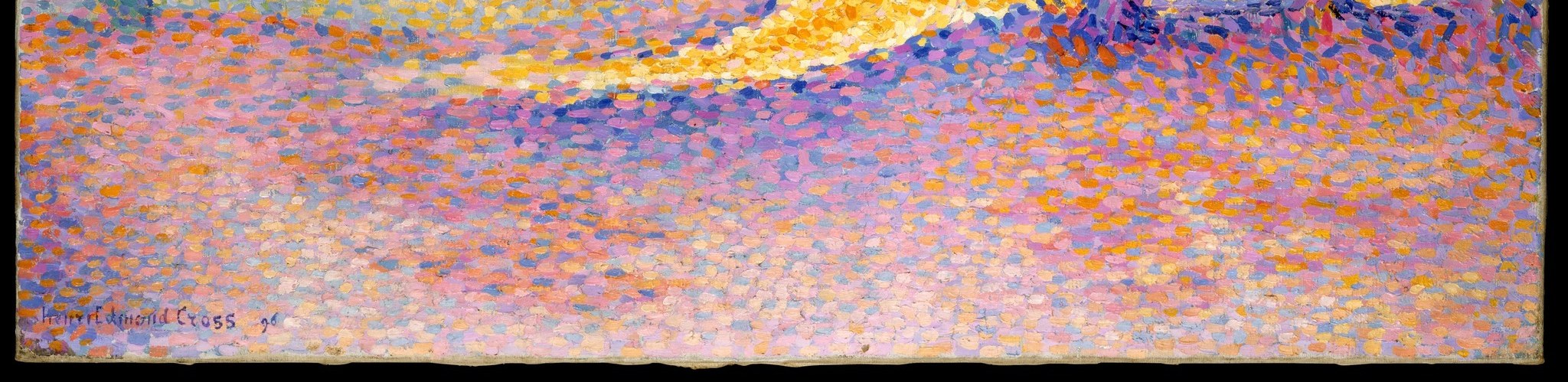
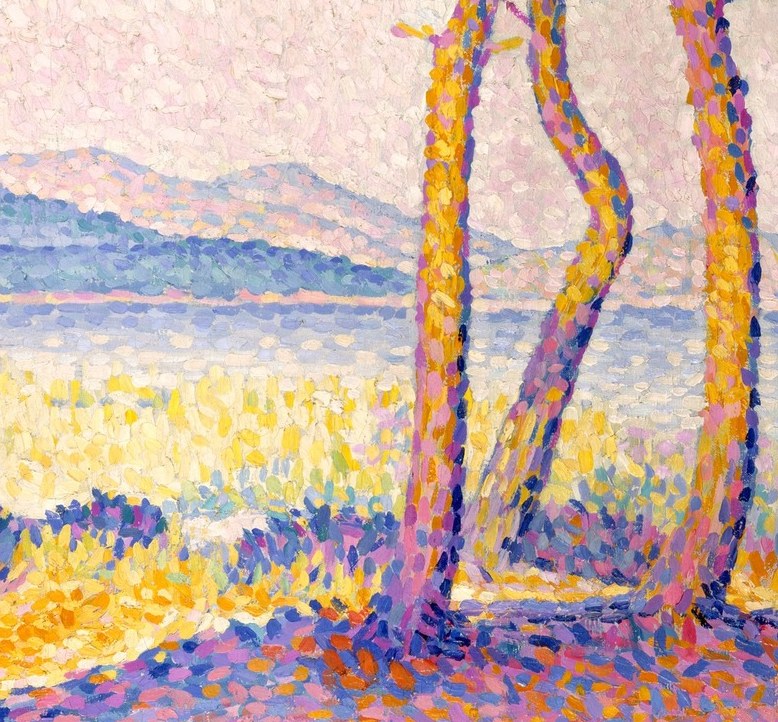
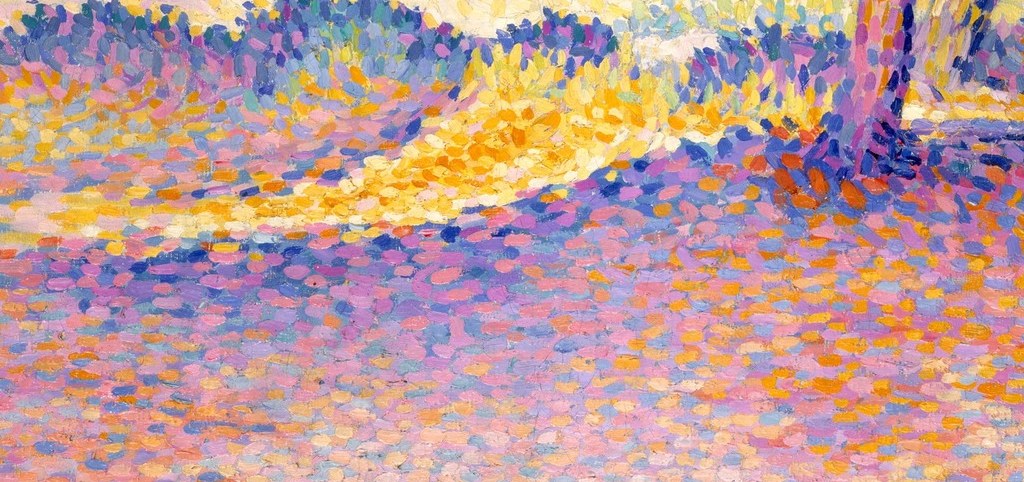
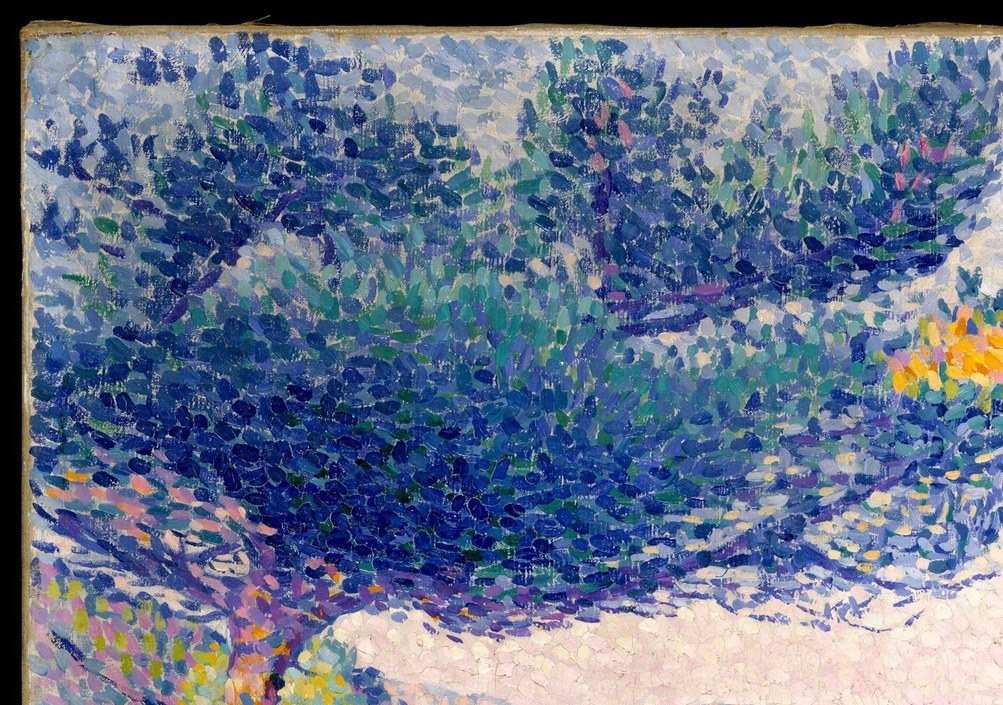
Henri Edmond Cross's 1896 painting, *Pines Along the Shore*, is a fascinating experiment in color and perception, held in The Metropolitan Museum of Art. Cross, a leading figure in Neo-Impressionism, applied unblended dots of pure color directly to the canvas, relying on the viewer's eye to mix them optically.
Take a close look at the foreground or the tree trunks: you'll see a mosaic of individual hues, not smooth blends. This methodical approach creates a unique vibrancy and luminosity throughout the tranquil coastal scene.
Cross's innovative use of color and light, often involving systematic application of individual color dots or dashes, allowed him to explore the optical mixing of hues. This technique later significantly influenced avant-garde movements like Fauvism and artists such as Henri Matisse.
Doesn't it make you look at color differently?
Details
Transcript
This painter used only dots of pure color. He didn't blend them. Your eye does the work. Look closely at the pine tree trunks. They are not brown, but vibrant pinks and purples. This technique is called Neo-Impressionism. The artist influenced Henri Matisse and Fauvism.