Portrait of a Woman, Called the Marquise Perrin de Cypierre by Jean-Marc Nattier
Jean-Marc Nattier's "Portrait of a Woman, Called the Marquise Perrin de Cypierre," painted in 1753 and housed at The Metropolitan Museum of Art, holds a subtle yet profound secret within its elegant composition.
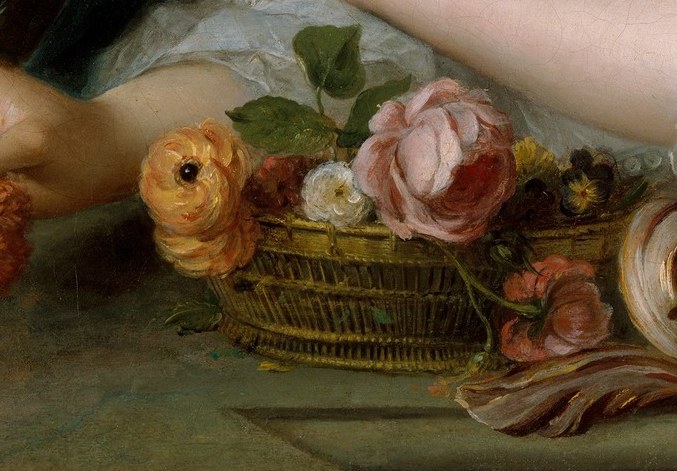
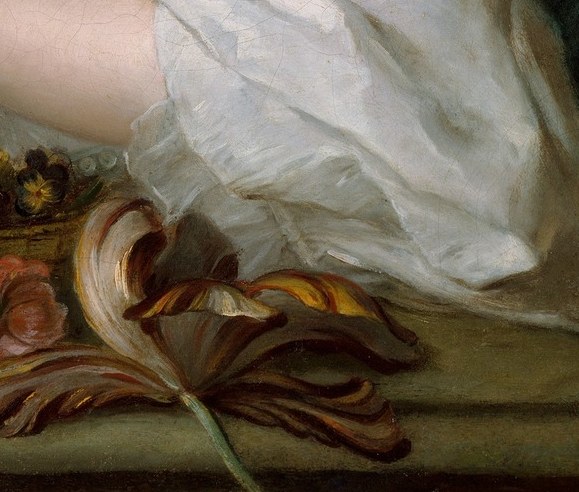
While the unidentified sitter embodies Rococo grace, offering a fresh blossom and surrounded by an abundance of flowers, a quiet detail in the foreground shifts the narrative. The artist, famed for his aristocratic portraits, included a wilting tulip.
This single, fading bloom serves as a memento mori, a symbolic reminder of life's transient nature and the inevitability of death. It was a common artistic device in 18th-century portraiture, subtly grounding the celebration of beauty and youth with a deeper, more somber truth.
Nattier's masterful blend of vibrant life and subtle mortality creates a work that invites closer inspection and contemplation. What other hidden symbols might you discover in Rococo portraits?
Details

Transcript
This painter was famous for portraits of court ladies. She offers a blossom, a gesture of refined grace. The flowers in her basket signify abundance and beauty. But look closely, there is a hidden message. A single wilting tulip reminds us of mortality. It's a memento mori, a quiet reminder of life's brevity.