The Lute Player by Gentileschi, Orazio
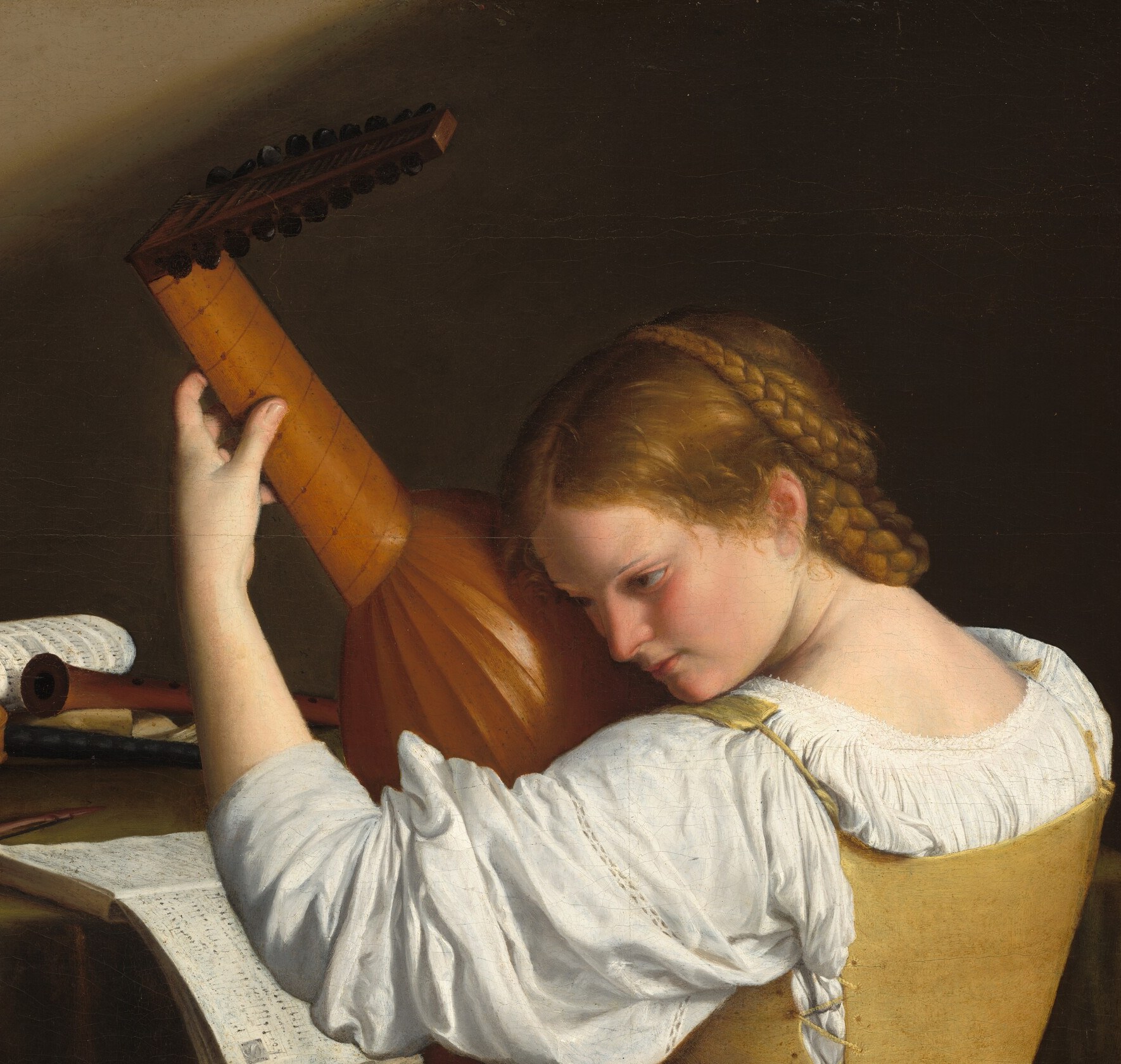
Orazio Gentileschi's 'The Lute Player,' painted around 1612-1615, is a masterful example of how light can be used to create both form and mood. Currently housed in a private collection, this painting showcases Gentileschi's softer approach to chiaroscuro, a technique he learned from his contemporary, Caravaggio.
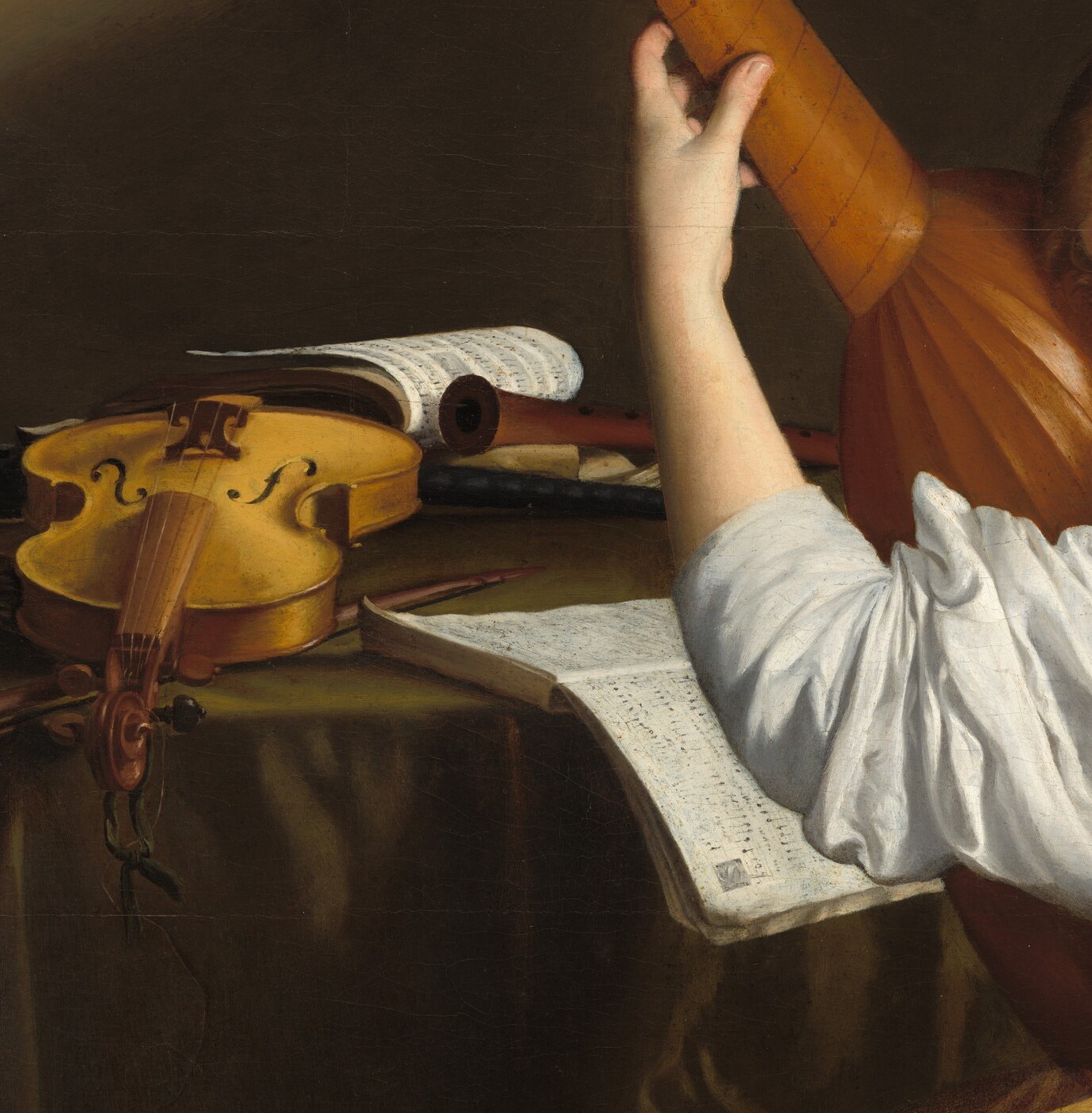
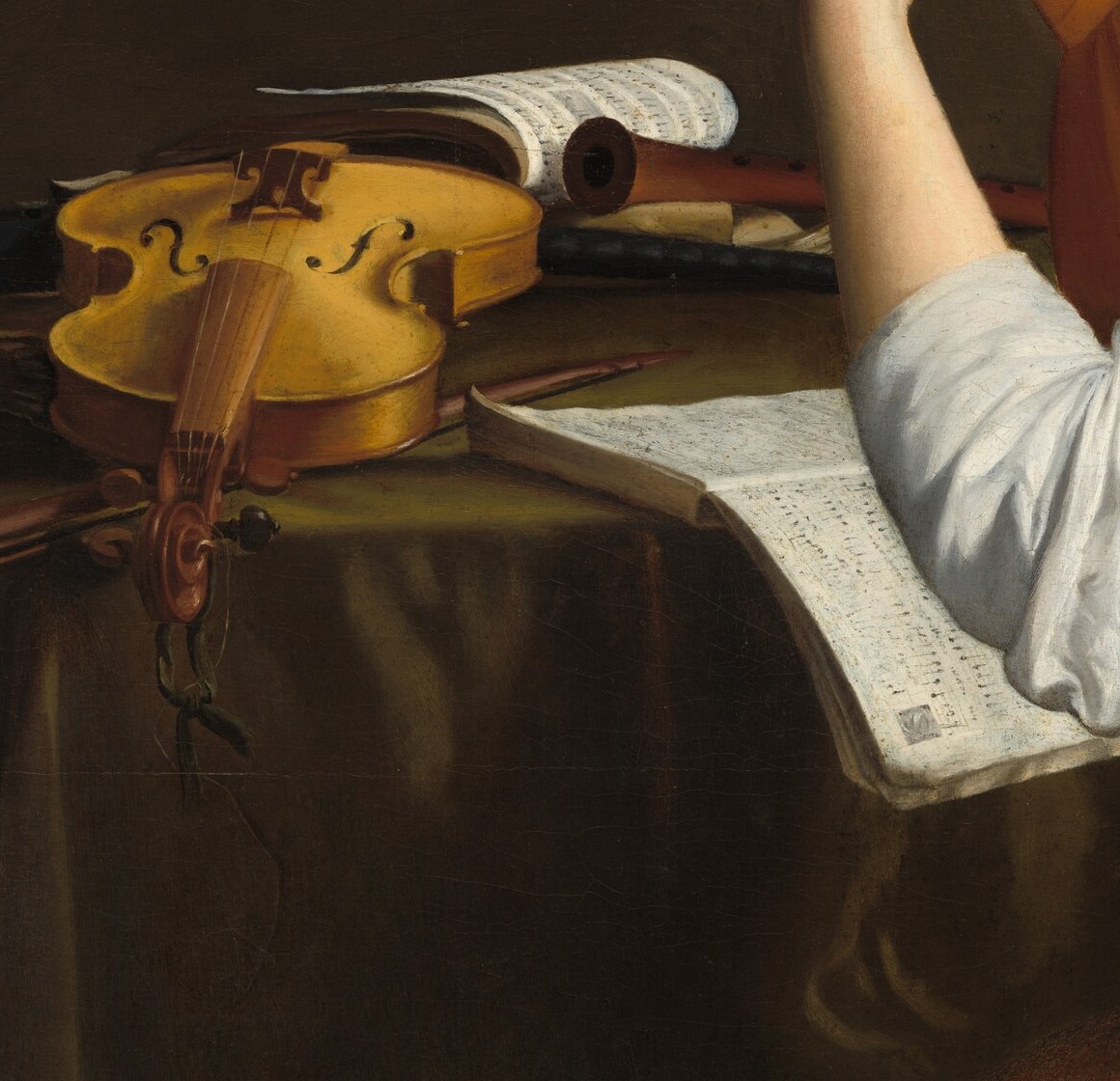
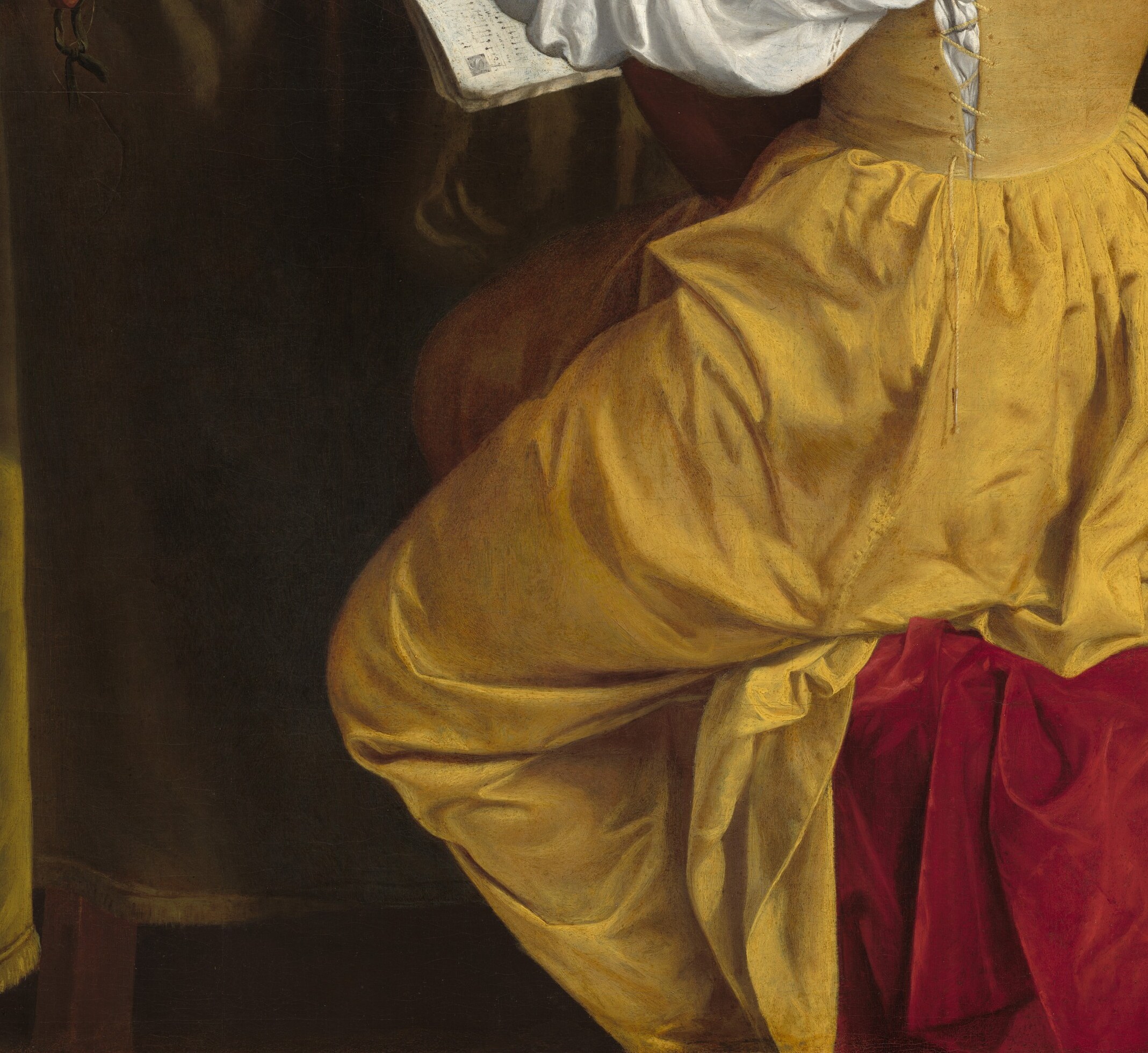
Notice the way light plays across the musician's golden dress and the luminous white of her chemise sleeve. Rather than stark contrasts, Gentileschi employs a gentle, raking light that softly sculpts the forms, making the fabric appear to shimmer and glow.
The painting's focus on the single, absorbed figure, combined with this nuanced lighting, creates an intimate and contemplative atmosphere. Gentileschi was the father of the renowned artist Artemisia Gentileschi, and his influence is evident in her own dramatic use of light and shadow.
What details do you notice in the way the light falls?
Details
Transcript
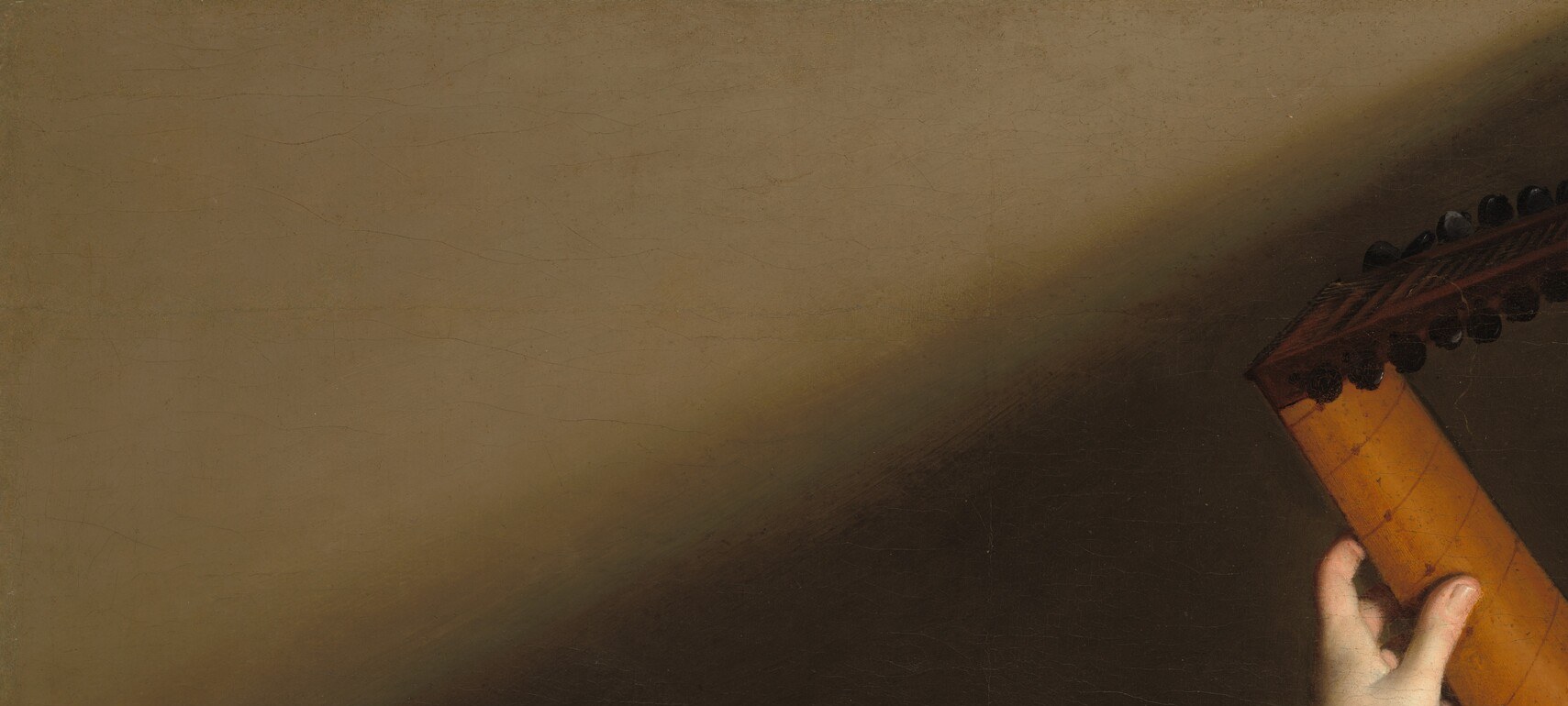
This painter was Orazio Gentileschi, a friend of Caravaggio. But look how he paints the light here. It glows softly. The light slides across the lute's curved body. He captures the instrument's shape without harsh lines. Now see the shimmering fabric of her chemise sleeve. It reflects light with exquisite, almost impossible softness. This gentle light defines the forms. No sharp shadows here.