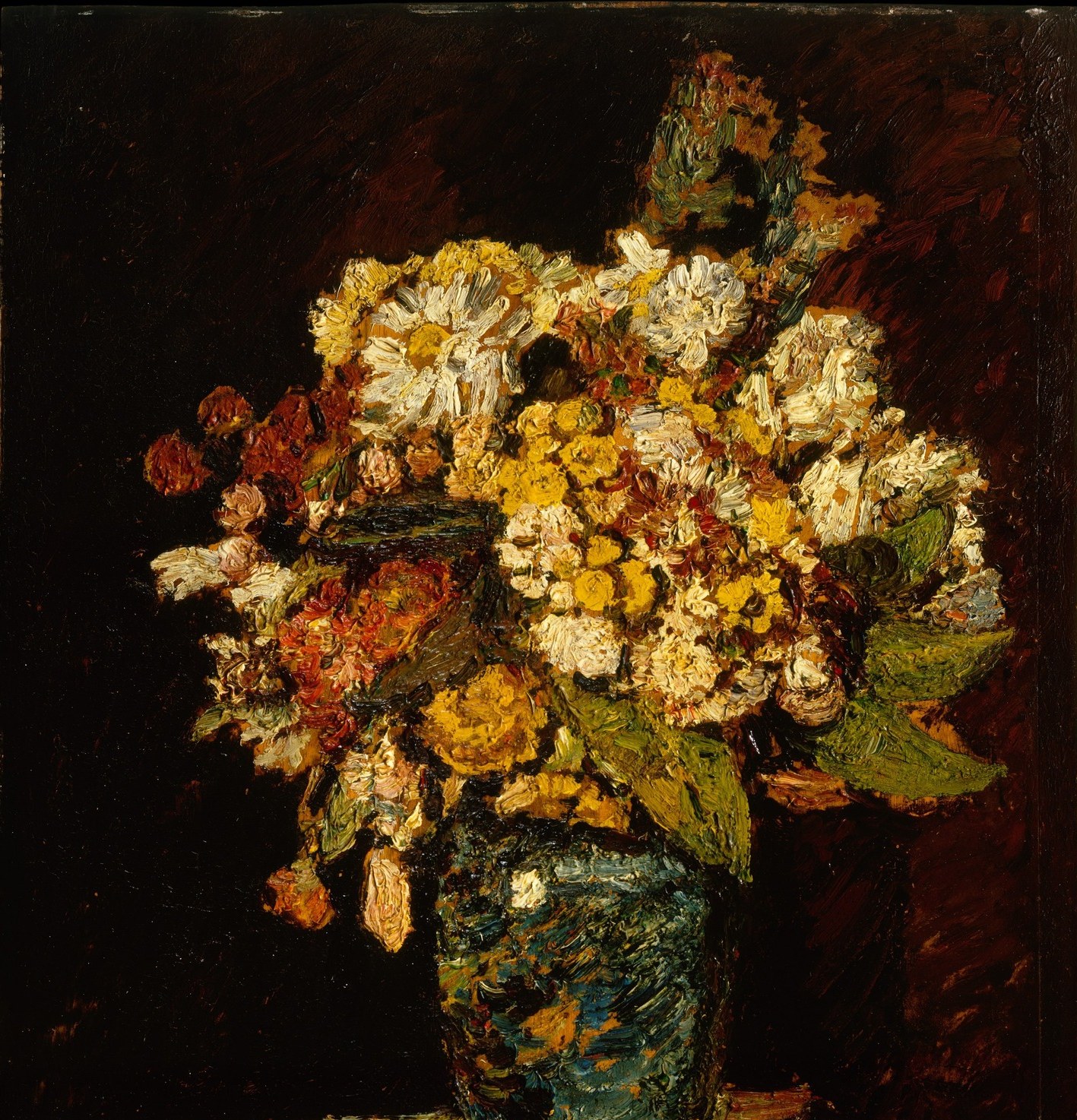
Flowers in a Blue Vase by Adolphe Joseph Thomas Monticelli
Adolphe Monticelli's *Flowers in a Blue Vase*, painted in 1881 and held at The Metropolitan Museum of Art, is a stunning example of his distinctive Post-Impressionist style. His unique approach to paint application, particularly his use of thick impasto, would profoundly influence later artists, including Vincent van Gogh.
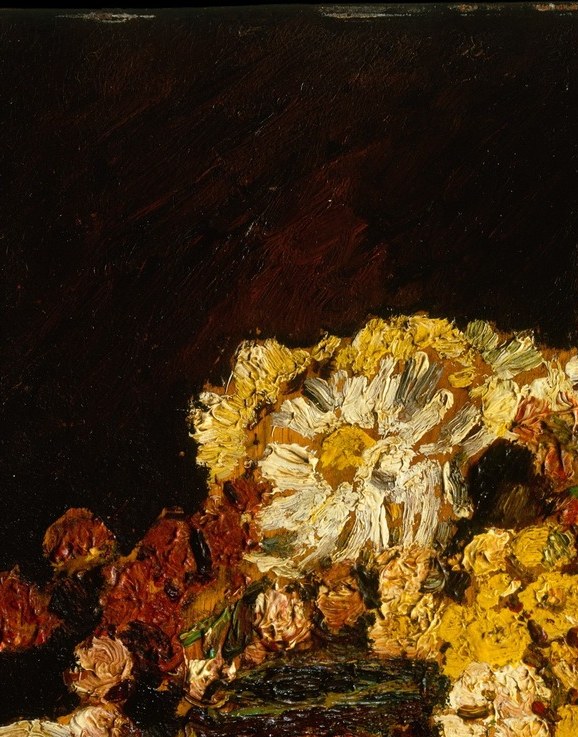
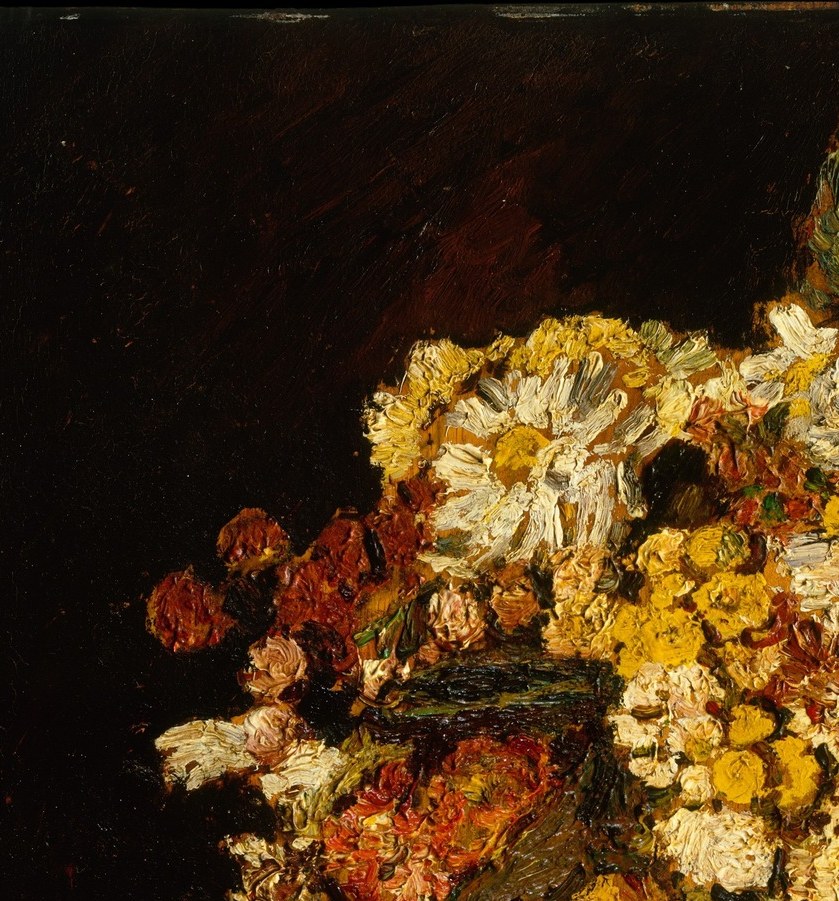
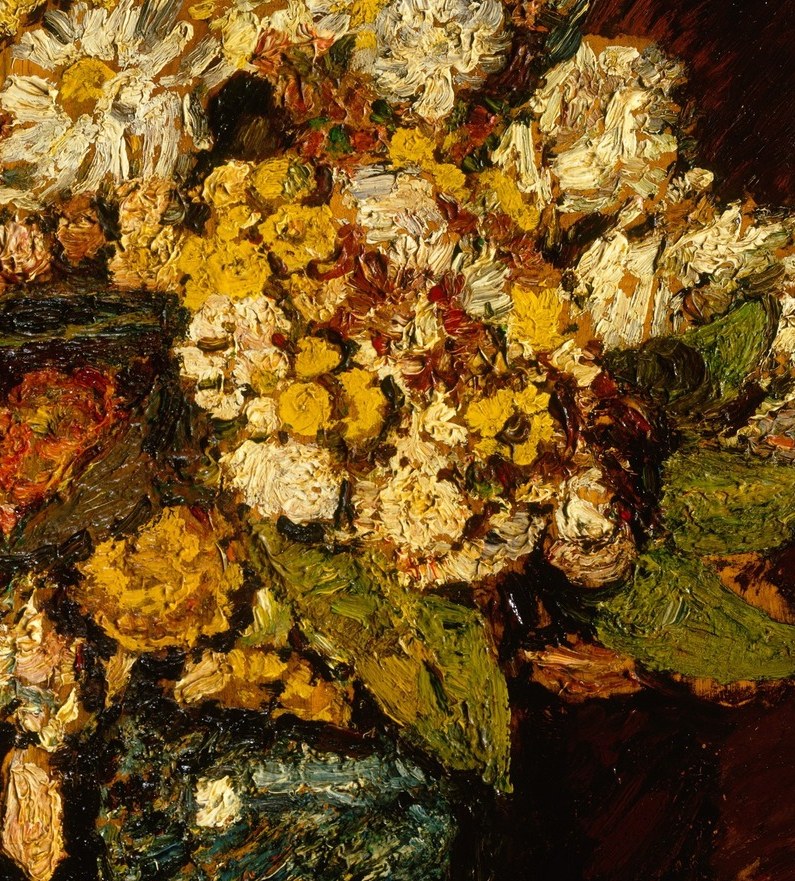
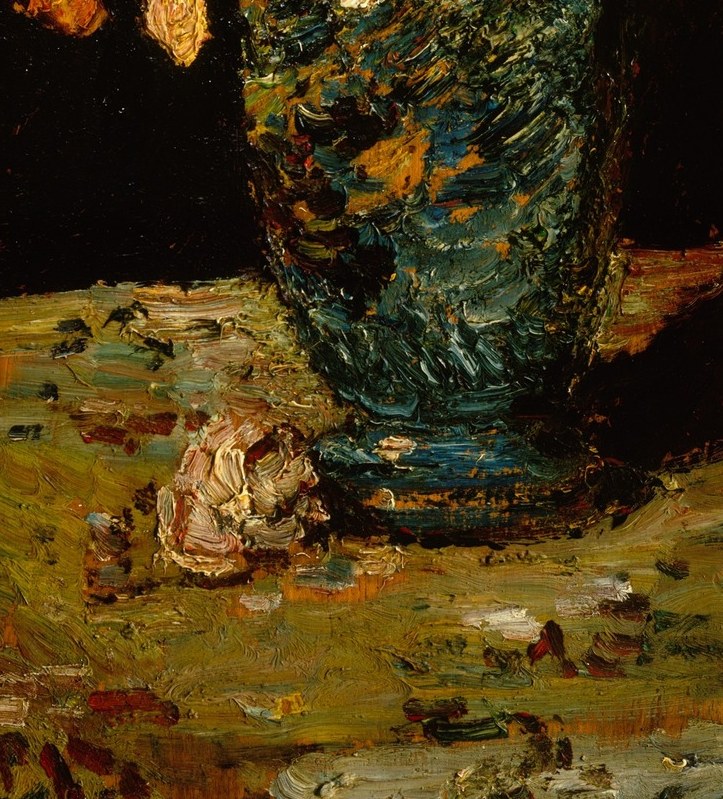
Observe how Monticelli builds up the paint, especially in the luminous white and vibrant yellow blossoms. The strokes are so textured they appear almost sculptural, catching the light and creating a tactile surface that invites the viewer to look closer. This technique brings a dynamic energy to the simple still life subject.
Monticelli, active before the Impressionists gained widespread recognition, pioneered an expressive use of color and texture that moved away from strict naturalism. He favored subjective interpretation, transforming everyday subjects into rich visual experiences. His dark, almost void-like backgrounds intensify the luminosity of his bouquets, making the colors truly sing.
It’s fascinating to see how Monticelli's innovations paved the way for future art movements, demonstrating how one artist's vision can resonate through generations. What details do you notice in his brushwork?
Details
Transcript
This painter was admired by Vincent van Gogh. Van Gogh was especially drawn to his thick, sculptural brushstrokes. Look how the paint builds up, almost three-dimensional. This impasto creates a vibrant, tactile surface. The dark background forces your eye to the color and texture. This intense color and texture influenced painting for decades.