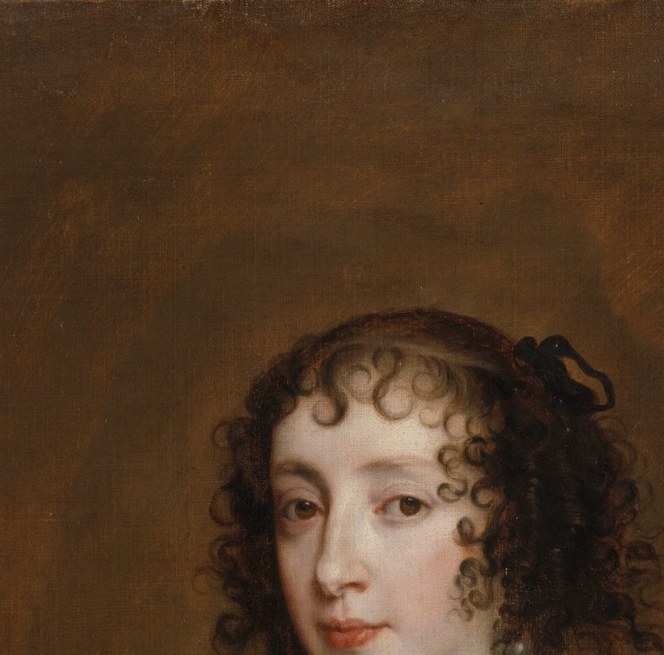
Queen Henrietta Maria by Anthony van Dyck
This is Anthony van Dyck's 1636 portrait of Queen Henrietta Maria, and the small black dog she holds is doing more political work than it first appears.
Look at the dog's orientation. It does not gaze out at the viewer or up at its owner. It faces resolutely toward her left side, the side of the heart. In the coded visual language of the Stuart court, a lapdog was a standard emblem of marital fidelity, but here van Dyck has turned it into a private directional signal.
Henrietta Maria was the French Catholic wife of Charles I, a position that made her the target of deep suspicion in a Protestant England teetering toward civil war. Her faith was not a private matter; it was a constitutional threat in the eyes of Parliament. She could not openly advertise her devotional loyalties, so the painting whispers them instead. The dog points toward the heart, the traditional seat of true, inward conviction.
Van Dyck was a master of encoding meaning within the formal constraints of royal portraiture. Every jewel, every gesture, every animal held meaning. By 1636, he had been Charles I's principal painter for four years and had developed an entire visual language for the Stuart monarchy. This portrait hangs in a private collection today.
Details
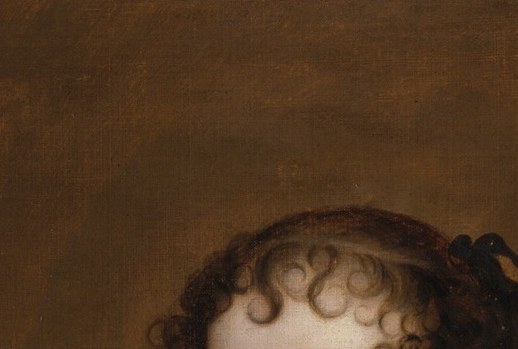
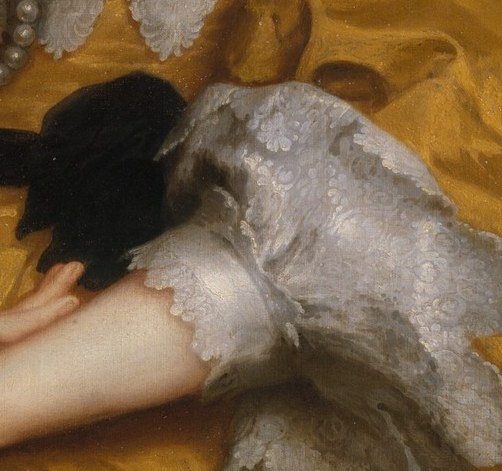
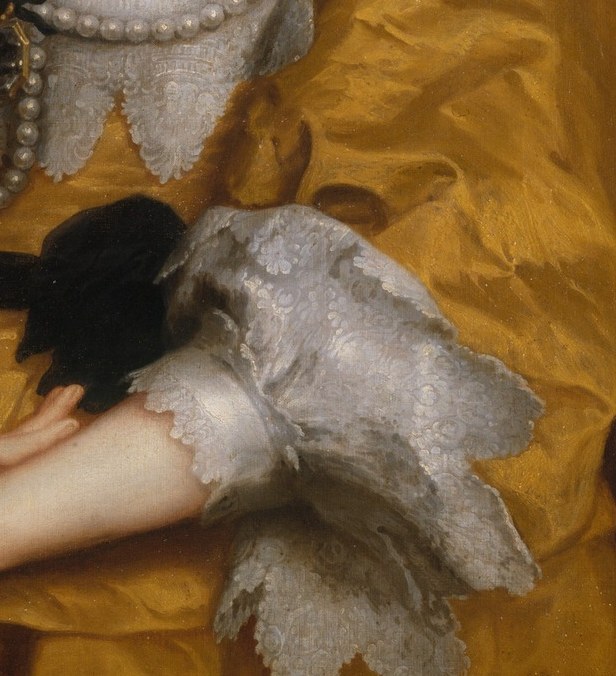
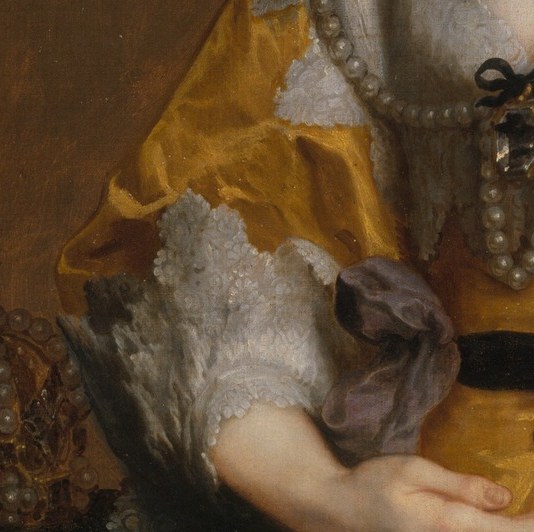
Transcript
She was the youngest daughter of a King of France. Married a King of England at 15, by proxy. Look at what she holds against her yellow silk. A small black lapdog. A standard symbol of fidelity. But Henrietta Maria was a devout Catholic queen. In Protestant England, her faith was a political crisis. So van Dyck hid her message inside the dog. The dog faces left. Toward her heart. Her private loyalty.