Portrait of Mademoiselle de Gottignies by Anthony van Dyck
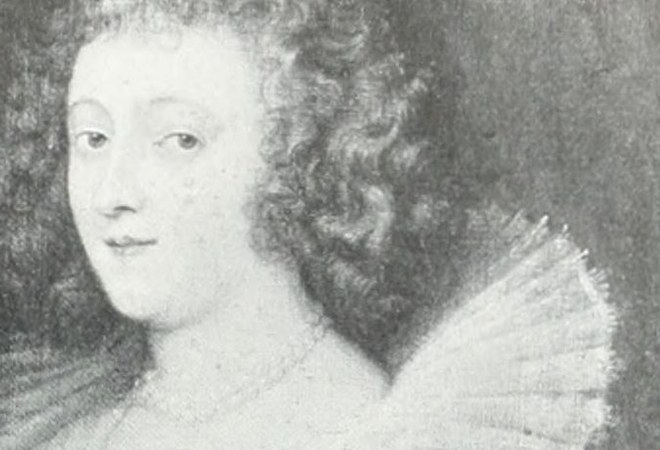
Anthony van Dyck's *Portrait of Mademoiselle de Gottignies*, painted circa 1630, is a striking depiction of 17th-century status that caused significant controversy. The painting was initially met with outrage, leading to its rejection from a major exhibition and damaging the sitter's reputation.
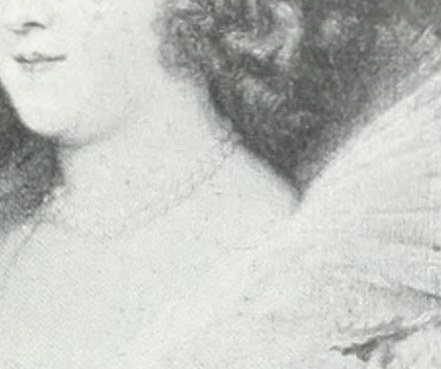
Notice the sitter's opulent attire: a luxurious white fur cloak drapes over a dark gown with a richly patterned sleeve. Her elaborate ruffled collar and the prominent rings on her right hand are clear symbols of wealth and social standing. She holds a fan delicately in her left hand, a fashionable accessory for women of her era, while her serene yet aloof expression draws the viewer in.
Anthony van Dyck, a master Flemish Baroque painter, created this work in Antwerp during a complex period. His skill in using light and shadow, with a dark, isolating background, highlights the sitter and the luxurious textures of her clothing, a hallmark of his style. The controversy surrounding the portrait speaks to the social anxieties and judgments of the time.
The lasting impact of this portrait lies not only in its artistic merit but also in the documented scandal it ignited.
Details
Transcript
She holds a fan, common for women of status. Her rings signal wealth and noble standing. Van Dyck painted this in 1630, a complex year. Her ruffled collar is intricately pleated. The opulent fur cloak contrasts her attire. This portrait caused outrage upon its debut. Mademoiselle de Gottignies's expression invites engagement. The artist made her face serene yet aloof.