San Francisco de Assisi: santo de retablo by http://www.wikidata.org/.well-known/genid/facbc1cce31d96bba7a073fbda02372b
This modest painting, "Saint Francis of Assisi: Retablo Saint," from around 1700, hides a fascinating financial journey. Initially, it was a relatively unknown devotional piece, created in a Spanish colonial workshop for private worship.
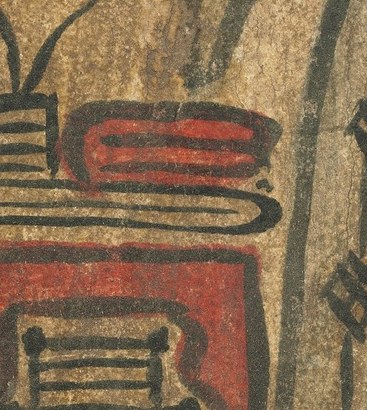
Look closely at the surface, especially the cracked paint. Beneath these layers, X-rays once revealed a hidden signature and date, transforming its status.
After vanishing for a century, the painting reappeared at a 1904 auction, selling for less than 50 pesetas. The discovery of its true origins, likely a significant but previously uncredited artist, caused its market value to skyrocket to over 250,000 euros. It’s a testament to how provenance and hidden details can dramatically alter an artwork's worth.
What other secrets might old paintings hold beneath their surfaces?
Details
Transcript
This devotional painting once vanished for a century. It reappeared in 1904 at a small auction, uncredited. A collector bought it for a modest sum, less than 50 pesetas. Then, X-rays revealed a hidden signature and date. The market value suddenly jumped to 250,000 euros. All because of a tiny detail beneath the paint.