Near Land's End, Cornwall by William Trost Richards
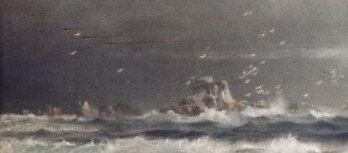
William Trost Richards painted "Near Land's End, Cornwall" in 1879, capturing the raw power of the Atlantic coastline. Unlike many artists of his time, Richards worked directly *en plein air*, positioning his easel right at the cliff's edge to capture the fleeting light and movement of the sea.
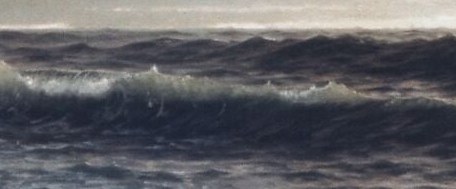
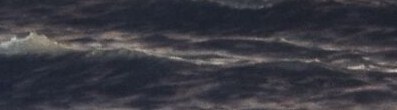
Look closely at the turbulent water and the crashing waves. Richards used thick impasto, especially in the white flecks, to create a tangible texture that almost evokes the sensation of sea spray.
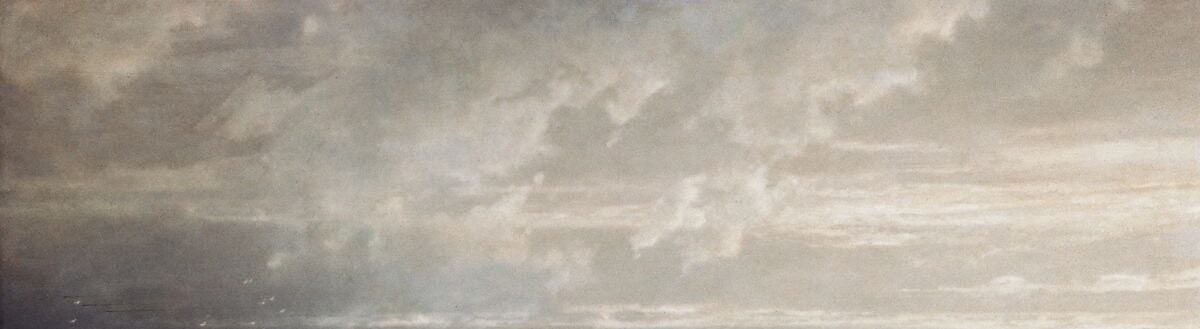
This meticulous attention to atmospheric realism and geological detail was a hallmark of his mature style. He painted rapidly to capture the immediate effects of light before the impending rain could change the scene, showcasing his dedication to the sublime power of nature.
What details do you notice that bring this stormy coast to life?
Details

Transcript
This painter often worked directly outdoors, even on stormy coasts. He positioned his easel right at the cliff's edge. He painted rapidly, before the light could change or rain arrived. Notice the thick paint, especially in the crashing waves. This impasto creates the palpable texture of sea spray. He captured the sea's power with remarkable realism.