Elisabeth-Philippe-Marie-Hélène de France, dite Madame Elisabeth by Élisabeth Louise Vigée Le Brun
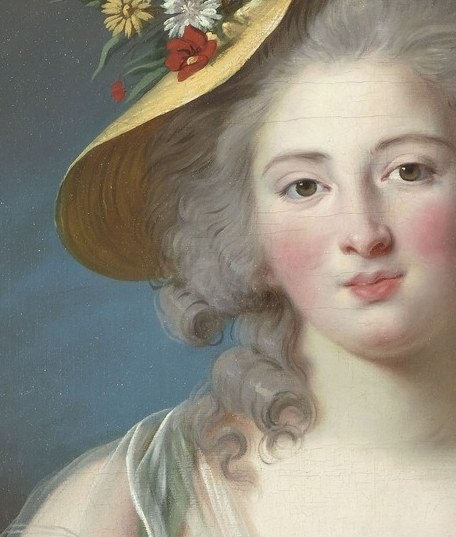
This painting, "Princess Élisabeth of France" by Élisabeth Vigée Le Brun, created in 1792, is held in the collection of the Palace of Versailles. It captures Princess Élisabeth, the youngest sister of King Louis XVI, with a serene and almost gentle expression, despite the turbulent times.
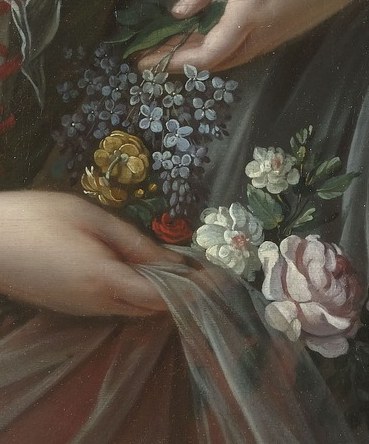
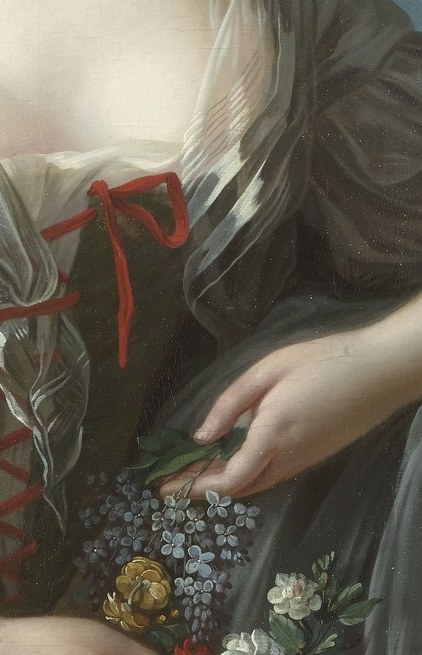
Vigée Le Brun, a master portraitist of the late 18th century, shows Élisabeth in an elaborate feathered hat and holding a delicate bouquet of flowers. Her direct gaze and soft demeanor create a powerful contrast with the dramatic, cloudy sky behind her. Look closely at the subtle blush on her cheeks and the composed elegance of her hands.
Tragically, just one year after this portrait was painted, Princess Élisabeth was guillotined during the French Revolution. Vigée Le Brun herself went into exile during this period, having been the official painter to Marie Antoinette. This work stands as a poignant record of a life cut short, rendered by an artist who understood the fragility of her subjects' world.
What emotions do you see in her quiet strength?
Details
Transcript
This is Princess Élisabeth of France, in 1792. She was the youngest sister of King Louis XVI. She would be guillotined just one year later. Yet her expression here is serene, almost gentle. Notice her delicate hands, holding a small bouquet. The painter was Élisabeth Vigée Le Brun, an exile herself. She captured a quiet dignity, just before the end.