A Corner of the Moulin de la Galette by Toulouse-Lautrec, Henri de
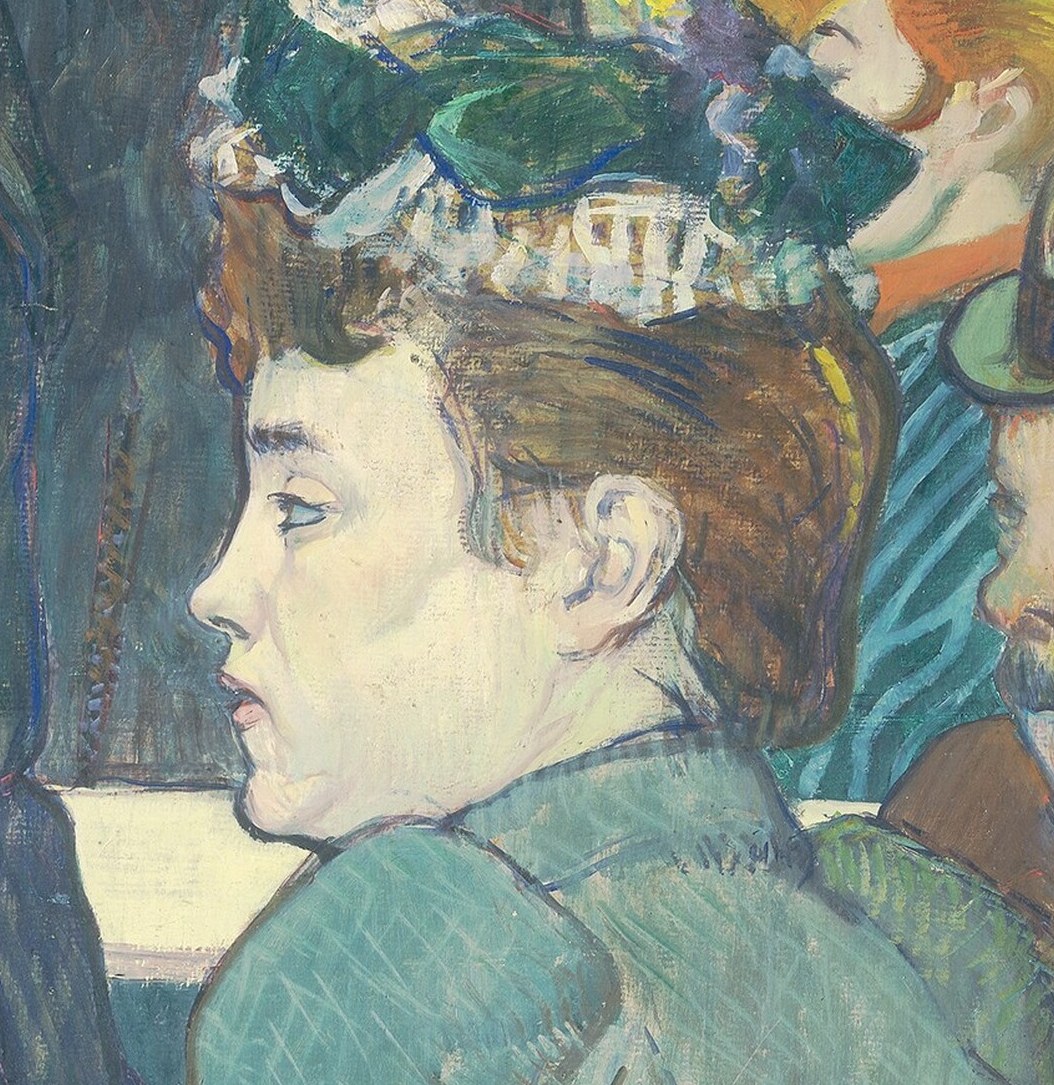
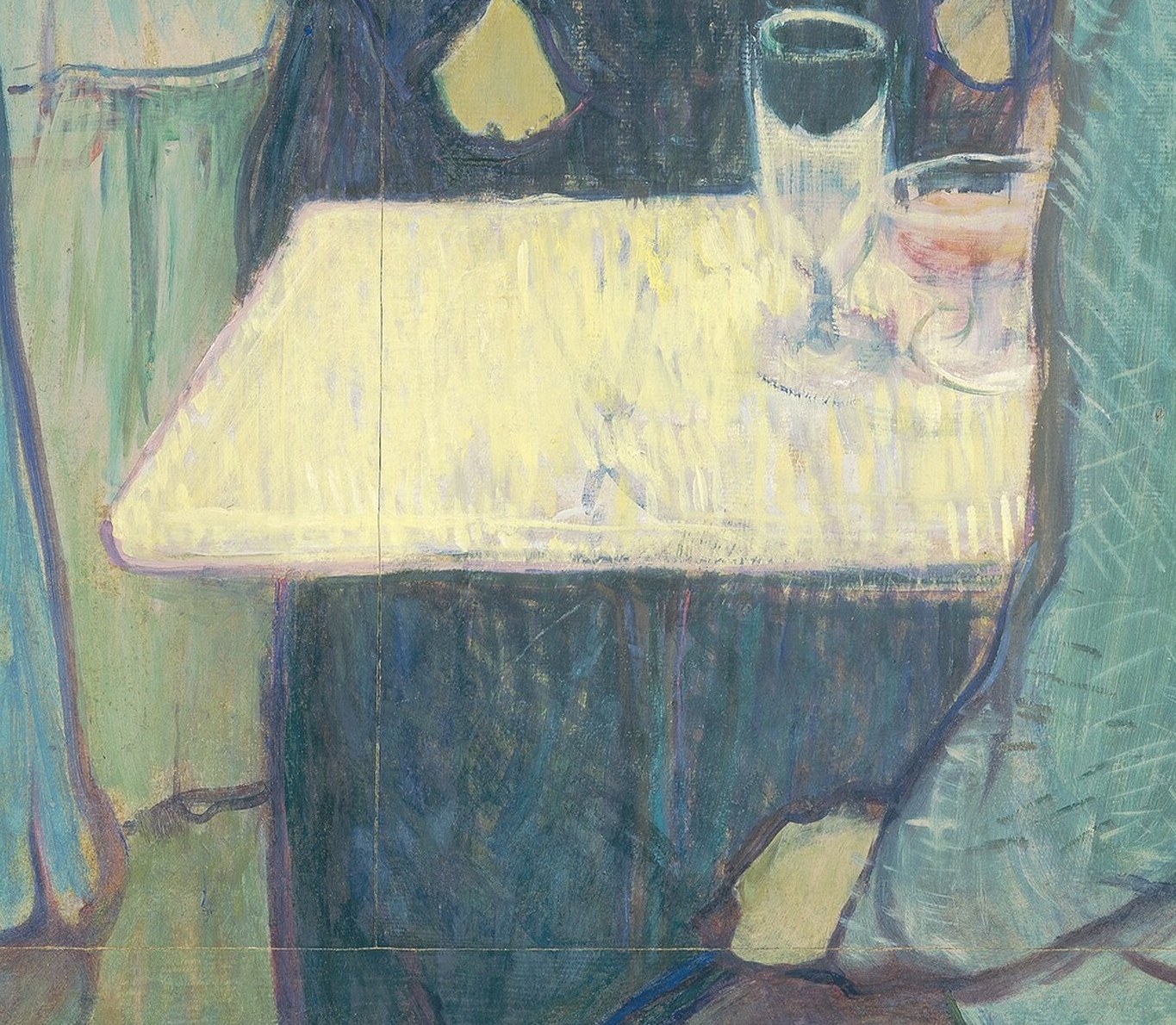
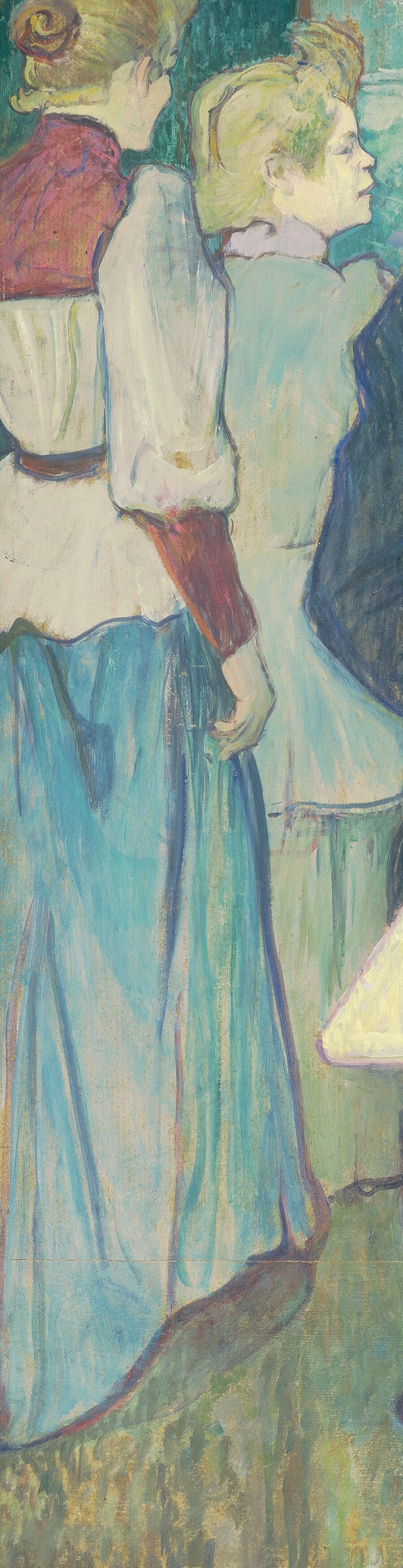
Henri de Toulouse-Lautrec's 1892 painting, *A Corner of the Moulin de la Galette*, captures a vibrant slice of Parisian nightlife. This oil on cardboard, now at a private collection, brings to life the famous Montmartre dance hall.
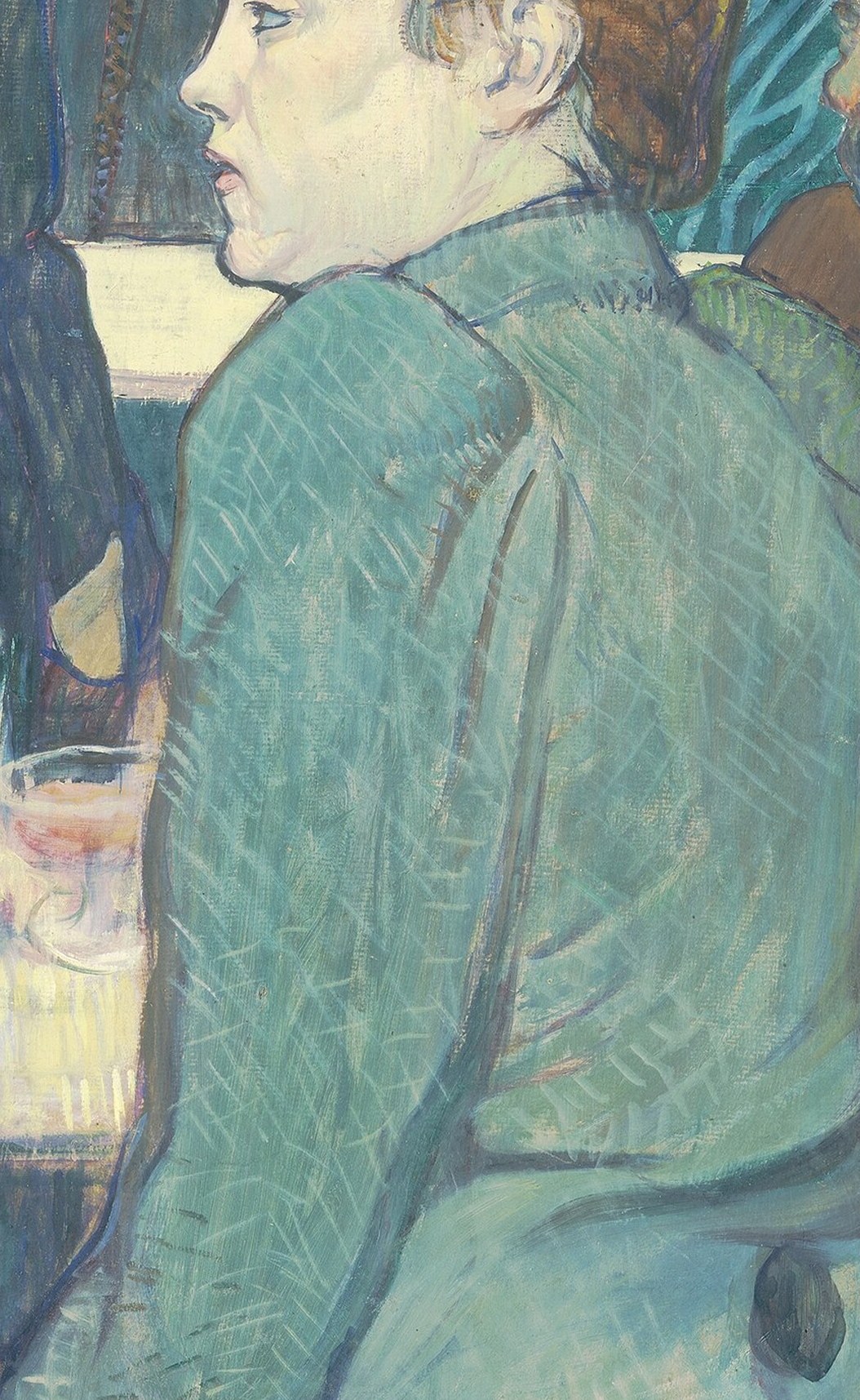
Look closely at the figures: from the woman in the elegant feathered hat to the man in the teal jacket, they embody the diverse clientele. Toulouse-Lautrec's expressive brushwork vividly conveys the energy and atmosphere of the social gathering.
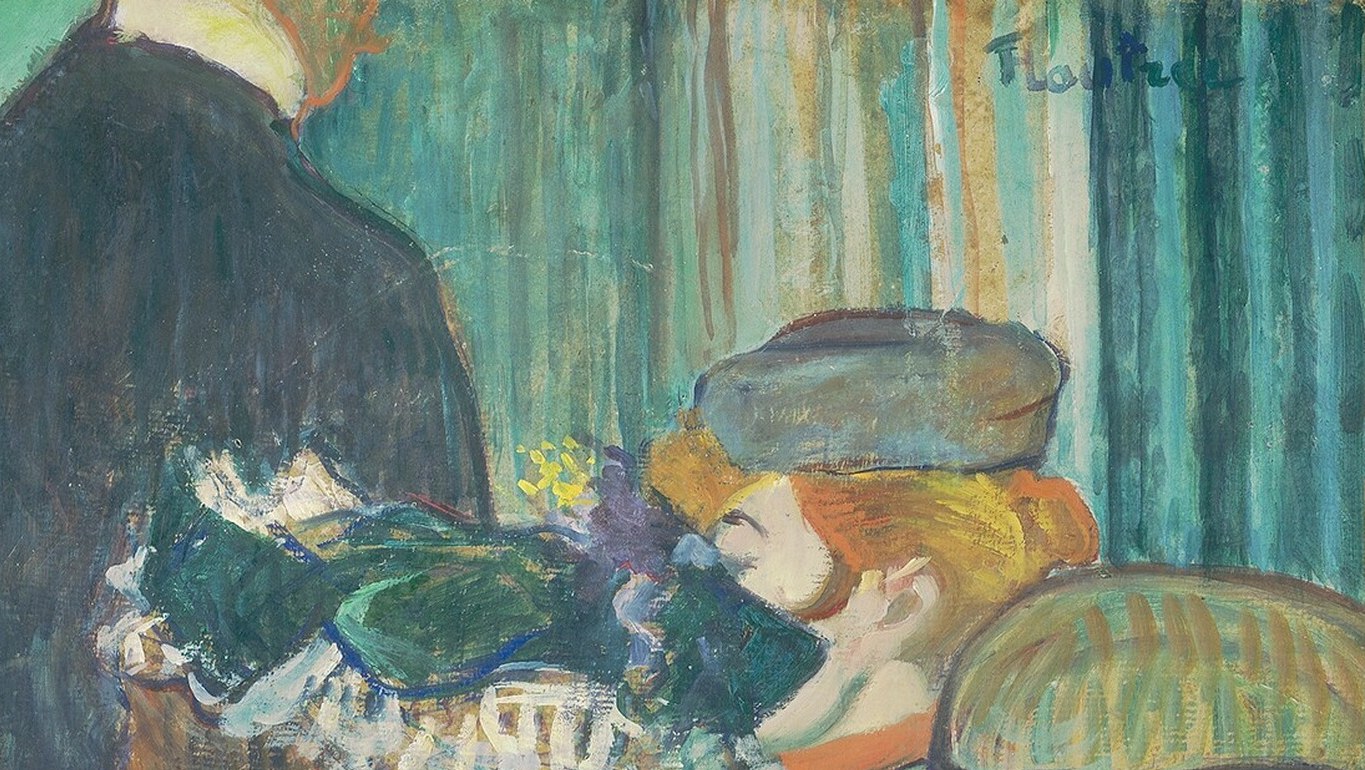
Born into aristocracy, Toulouse-Lautrec's adolescent injuries left him with a stunted stature, leading him to immerse himself in Paris's bohemian subcultures. The Moulin de la Galette became a frequent subject, allowing him to document the lively, uninhibited world he knew firsthand.
His unique perspective offers a glimpse into a bygone era, painted by an artist who was not just an observer, but a part of the scene.
Details
Transcript
This painter was born into French aristocracy. But his life's work documented Paris nightlife. He found his place among Montmartre's bohemian crowd. Like this woman in a feathered hat, a vision of Parisian fashion. He often returned to this dance hall, the Moulin de la Galette. Capturing its social vibrancy with loose, expressive strokes. The artist himself was a regular here, a part of the scene.